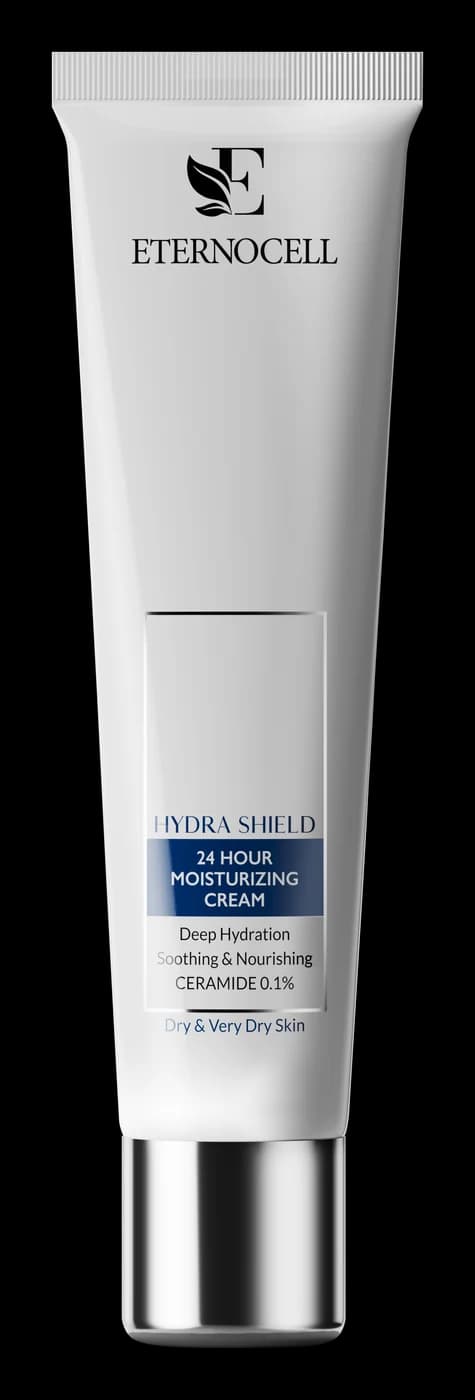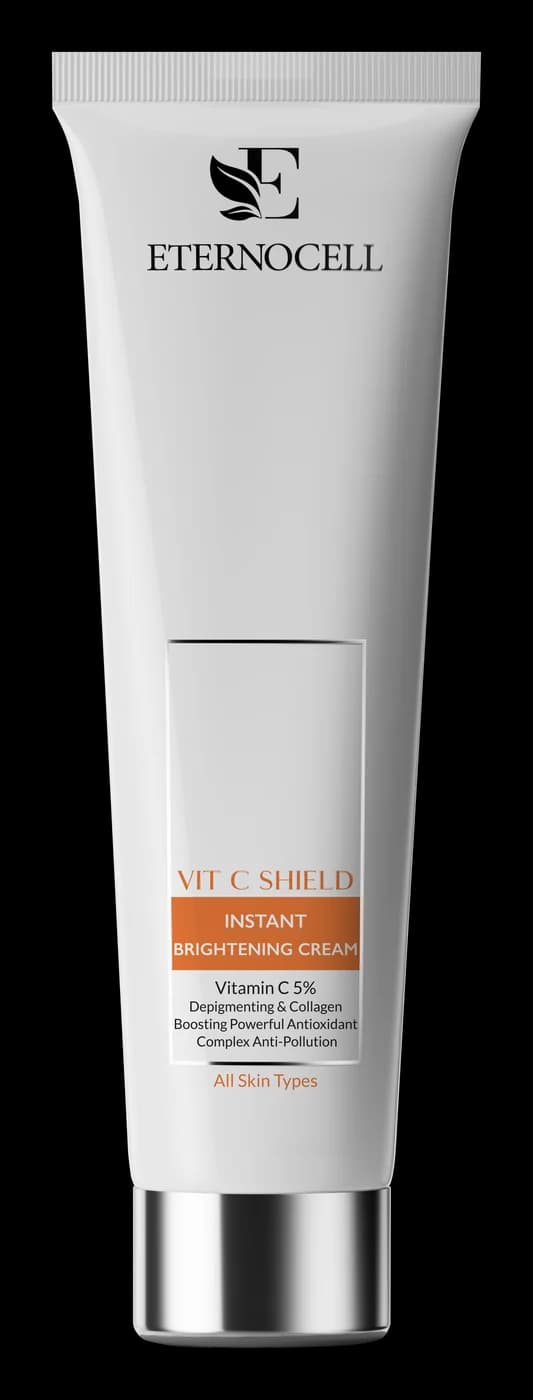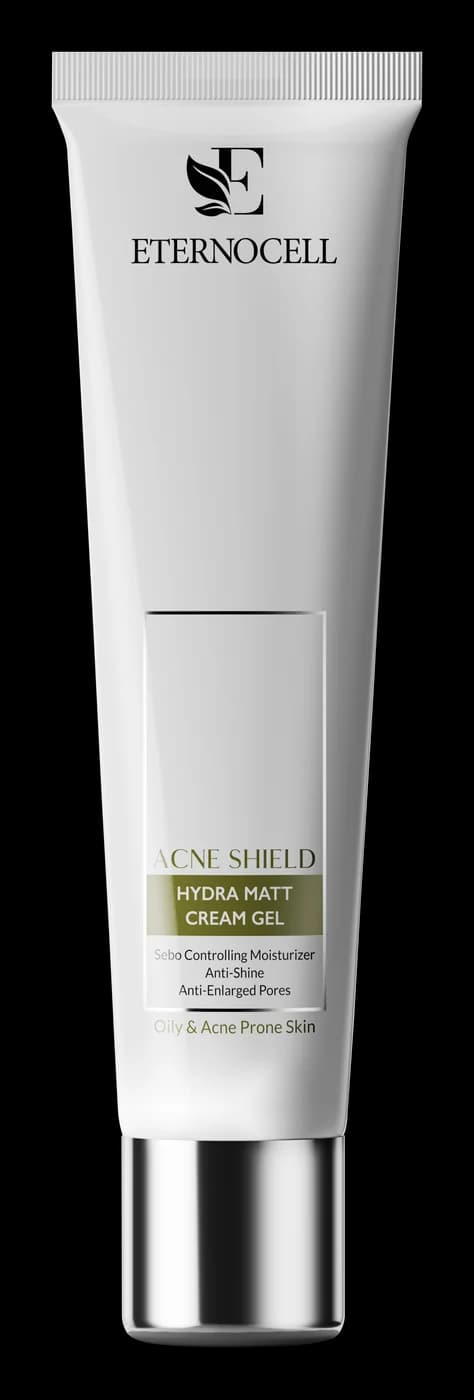
Healthy, clear, youthful skin is something many people wish for. One of the simplest and most effective ways to achieve it is the regular use of a moisturiser. The benefits of using a moisturiser go well beyond how your skin looks: it plays an important role in strengthening the skin's defensive barrier, maintaining oil balance and preventing environmental damage. If you want healthy, soft, radiant skin, moisturisers should be one of the core elements of your skincare routine.
Why is using a moisturiser important?
Despite the wide variety of skincare products available, these creams remain one of the most basic and essential choices in anyone's daily routine. We have covered what a moisturiser is in full elsewhere, but in brief:
Our skin is constantly exposed to air pollution, sunlight, temperature changes and chemical agents, which can reduce its moisture, cause inflammation or even lead to premature ageing. Using a moisturiser regularly can help prevent this damage and keep the skin fresh.
Maintaining the skin's natural moisture
The skin naturally has a protective layer called the ‘lipid barrier’, whose job is to hold on to water and prevent it from evaporating. A moisturiser strengthens this barrier and improves hydration in the deeper layers of the skin. The result is skin that is soft, radiant and supple.
Preventing dry, cracked skin
Dry skin is one of the most common skin problems and can lead to itching, stinging and even painful cracks. By creating a protective layer on the surface of the skin, a moisturiser prevents water from evaporating and helps the skin stay resistant to dryness, especially in winter or in dry, cold environments.
Strengthening the skin's defensive barrier
The skin is the body's first line of defence against external factors such as microbes, dust and UV rays. Using a moisturiser regularly helps keep this defensive barrier healthy and stops harmful agents from penetrating the inner layers of the skin. As a result, the likelihood of inflammation, sensitivity and skin irritation falls markedly.
Which skin types is a moisturiser suitable for?
A common assumption is that moisturisers are only for dry skin, whereas all skin types — from dry to oily and sensitive — need moisture to stay balanced and healthy. The only difference lies in choosing the right formulation. In this section, we look at the kind of moisturiser each skin type needs.
Dry skin
Dry skin needs a moisturiser more than any other skin type. It loses moisture quickly and, without care, becomes cracked, rough and itchy. For dry skin, the best option is a thick, oil-based moisturising cream containing ingredients such as shea butter, glycerin and hyaluronic acid, which both hydrate the skin and prevent water loss.
Oily and combination skin
It is easy to assume that oily skin does not need a moisturiser, but in fact a lack of hydration makes the skin produce more oil to compensate for dehydration. As a result, spots and acne increase. For this skin type, light, non-comedogenic water-based moisturisers, such as cream gels, are more suitable. They maintain the balance of oil and moisture without clogging pores.
Sensitive skin
Sensitive skin is quick to react with redness, inflammation and allergic reactions, so it needs a moisturiser that is free from fragrance, alcohol and parabens. Moisturisers for sensitive skin usually contain soothing ingredients such as aloe vera, chamomile extract and ceramides, which help strengthen the skin's protective layer and prevent irritation.
The scientific benefits of using a moisturiser consistently
Applying a moisturiser every day is not just a simple step towards softer skin; there are many scientific and physiological reasons behind the habit. Numerous studies have shown that moisturisers can play an effective role in preventing premature ageing, improving the structure of the skin and reducing skin inflammation. Below, we look at the most important scientific benefits of these products.
Reducing the signs of premature ageing
Dryness is one of the main causes of fine lines, wrinkles and dullness. With a steady supply of moisture, the skin keeps its elasticity and the breakdown of collagen and elastin slows down. Studies have shown that moisturisers containing antioxidants such as vitamins C and E can significantly reduce the signs of premature ageing and make the skin look younger.
Improving the texture and suppleness of the skin
Adequate moisture is the key to maintaining an even, soft and supple texture. When the skin is kept moisturised regularly, the layers of the epidermis work better, dead cells are shed more easily and cell renewal happens faster. As a result, the skin looks softer and more even, and the feeling of dryness and tightness disappears.
Soothing inflammation and redness
A loss of moisture at the surface of the skin can weaken its defensive barrier, leaving it vulnerable to external irritants such as pollution, chemicals and UV rays. This leads to redness, inflammation and itching. Moisturisers containing anti-inflammatory ingredients such as aloe vera, allantoin or niacinamide can help reduce these reactions and calm and balance the skin.
How does a moisturiser differ from other skincare products?
The skincare market offers a wide range of products with similar uses, from hydrators and serums to balms and gels. Even so, a moisturiser plays a specific and distinct role in your routine. In this section, we look at the key differences between a moisturiser and other similar products, so that you can choose more precisely for your skin's needs.
Compared with hydrators
Although many people use the words ‘hydrator’ and ‘moisturiser’ interchangeably, the two products work differently. In general, the difference between hydrators and moisturisers is as follows:
- Hydrators are products that draw water into the skin, usually with ingredients such as hyaluronic acid, glycerin or aloe vera.
- By contrast, a moisturiser is usually a combination of hydrating and occlusive ingredients (such as oils or plant butters) that, as well as attracting moisture, forms a protective layer on the skin to prevent water from evaporating.
- Gentle toners: to balance the skin's pH before you apply moisturiser
- Serums: to address specific skin needs before the moisturising step
- Sunscreens: as the final step of daily protection, after moisturiser
- Overnight masks: for deeper nourishment at night, especially for dry or damaged skin
- Hyaluronic acid: draws in and holds moisture in the deeper layers of the skin
- Ceramides: rebuild the skin's defensive barrier
- Glycerin: surface hydration and softening
- Shea butter and plant oils: prevent moisture from evaporating and strengthen dry skin
- Aloe vera and allantoin: soothing and anti-inflammatory, suitable for sensitive skin
- For dry skin: heavier creams with a buttery or oily texture are more suitable
- For oily or combination skin: lighter, gel-like, oil-free creams are recommended
- In winter: look for products with strong occlusive power
- In summer: a light, water-based moisturiser is enough
So if your skin lacks water or is dehydrated, apply a hydrator first and then use a moisturiser to lock the moisture in.
How it differs from treatment serums
Serums are lighter products that usually contain a high concentration of active ingredients such as retinol, vitamin C or niacinamide. They are designed to treat specific skin concerns such as dark spots, acne or wrinkles.
While a moisturiser plays more of a supporting role and helps maintain the balance and overall health of the skin, serums have a targeted, treatment-focused purpose. Using both together can have a double effect: the serum to treat, and the moisturiser to support and protect.
Recommended companions for your moisturiser
For better results, a moisturiser can be used alongside other complementary products. Combining these products correctly with your moisturiser can create a complete and effective skincare routine. Some of the best companions are:
Key tips for choosing the right moisturiser
Choosing the right moisturiser is not only a question of brand or price; it should take into account your skin's needs, your environment and the product's ingredients. In this section, we look at three essential tips to help you choose more wisely.
Checking the active ingredients
The first step in choosing an effective moisturiser is to read its ingredients. Depending on your skin's needs, a few key ingredients can make a big difference:
Avoid products that contain alcohol, parabens or a lot of synthetic fragrance, especially if you have sensitive skin.
Matching your skin type and the season
Your skin's needs change with the seasons and depend on its type. That is why a moisturiser that works beautifully in winter may feel heavy and uncomfortable in summer.
Summary and final advice
Using a moisturiser is not just a simple step in your skincare routine; it is the most fundamental step in maintaining the balance, health and beauty of your skin over the long term. With the right choice, you can enjoy its scientific and practical benefits and have radiant, soft, youthful skin.
Daily use: a simple way to keep your skin healthy
Moisturising your skin, even just once a day, can make a considerable difference in preventing dryness, inflammation and premature ageing. Our skin is vulnerable to environmental conditions, frequent washing and changes in the weather. By using a moisturiser consistently, you can keep this damage to a minimum and protect the long-term health of your skin.
It is best to apply your moisturiser after cleansing, while the skin is still slightly damp, for the best absorption and longest-lasting effect. For more on skincare, stay with Eternocell.