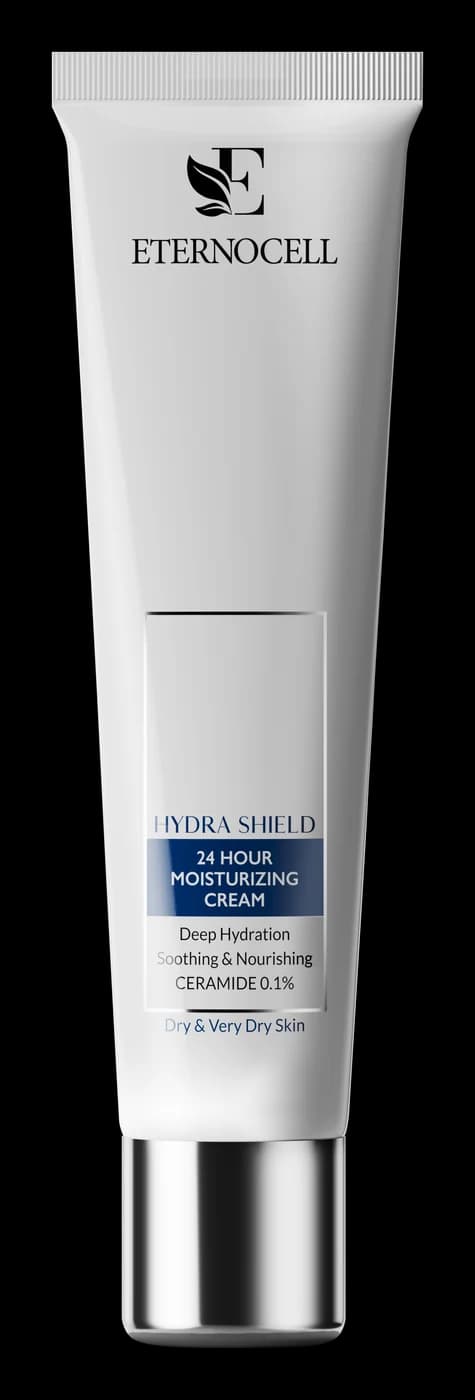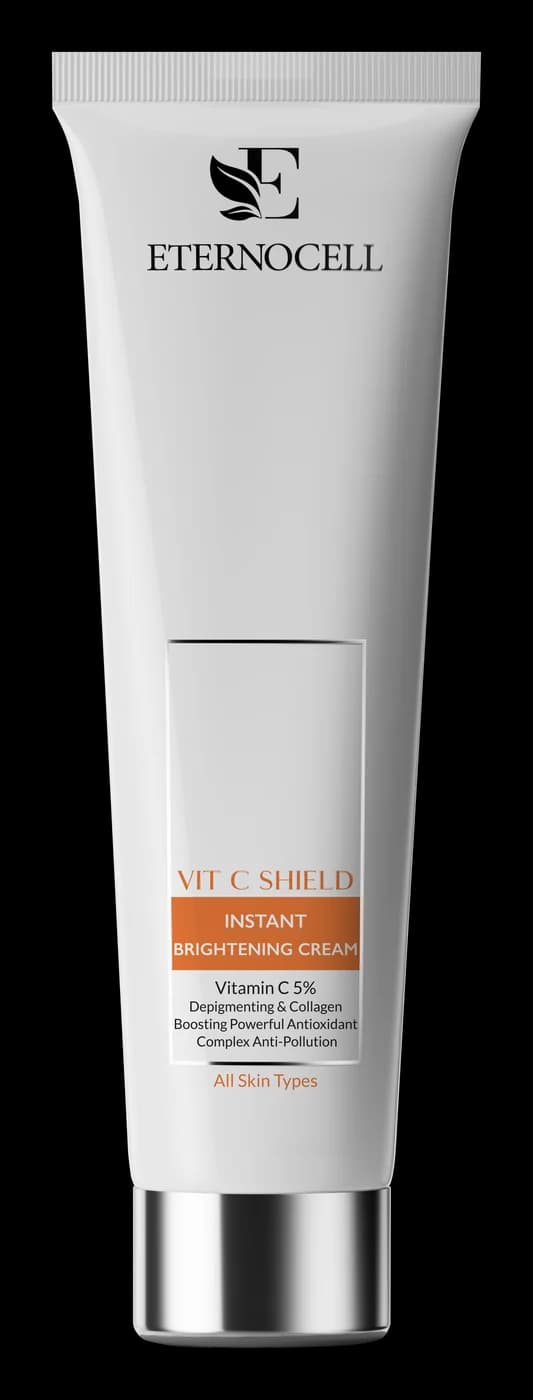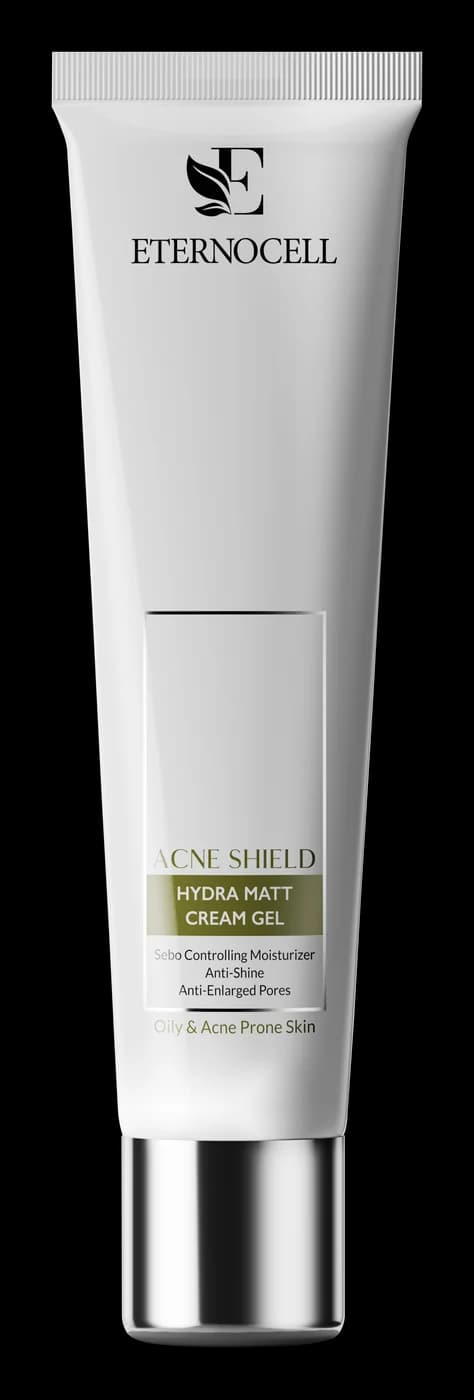
When it comes to buying a moisturising cream, the endless choice of brands and products can make the decision difficult. On the surface they all promise hydrated, soft skin, but in reality it is the ingredients used in the formulation that play the main part in each cream's quality and performance. If you know which ingredients suit your skin type and which may cause irritation or dryness, you can make a more informed choice and are more likely to get good results from the product.
In this article we set out the key ingredients in moisturising creams: which ones are beneficial, which should be used with caution, and how to read product labels so that you can choose an option suited to your skin's needs.
Why does it matter to know what is in your moisturising cream?
Choosing a moisturising cream is not just a matter of brand or price; what most affects a product's performance is the active and base ingredients in its formulation. Everyone's skin reacts differently to different ingredients, and if the ingredients in a product do not suit your skin type, it will not only be ineffective but may also cause irritation, breakouts or further dryness. For more on buying this kind of product, read our moisturising cream buying guide.
For example, dry skin responds well to powerful humectants such as hyaluronic acid or urea, whereas oily or combination skin does better with lighter ingredients such as aloe vera gel or glycerin. Some ingredients, such as petroleum jelly and lanolin, are occlusive and hold moisture in the layers of the skin, but used on oily skin they may clog pores.
The staying power of the moisture and the long-term effectiveness of a cream also depend on its ingredients. Ingredients that can hold water in the skin play a key part in keeping it soft and preventing moisture from evaporating. With a better understanding of the ingredients commonly found in creams, you can make a smart, precise choice that meets your skin's real needs.
Effective ingredients in moisturising creams
To work well, a moisturising cream needs a range of complementary ingredients, each playing a particular part in supplying and retaining the skin's moisture. These ingredients usually fall into three main groups: humectants, occlusives and emollients.
Humectants are ingredients that draw water from the surrounding air or from the lower layers of the skin and hold it at the skin's surface. Ingredients such as glycerin, hyaluronic acid and urea are among the most common in this group. They are especially helpful for dehydrated or dry skin, as they are very good at increasing the water between the cells.
Occlusives form a protective layer on the surface of the skin that stops moisture from evaporating. They are particularly useful in dry climates and for very dry, cracked skin. Petroleum jelly, lanolin and dimethicone are among the effective ingredients in this group.
Emollients fill the gaps between skin cells, leaving the skin's surface smooth, soft and supple. Ingredients such as natural oils (for example jojoba and almond oil) and fatty acids (such as stearic acid) belong to this group. As well as softening the skin, they help rebuild its protective barrier.
The best moisturising creams usually combine all three groups, so that they draw in moisture, hold on to it and improve the look and texture of the skin at the same time. Knowing these ingredients helps you choose products that work in a complete, balanced way.
Ingredients to avoid
Alongside the beneficial, effective ingredients in moisturising creams, there are some that you would do well to avoid when buying, especially if you have sensitive skin or are looking for a safe, reliable product. These ingredients can cause dryness, irritation or even long-term damage to the skin.
The first, and most debated, are parabens. These preservatives are used to stop bacteria from growing in cosmetic products, but a number of studies have pointed to a possible link with hormonal disruption. Although the evidence is not conclusive, many reputable brands have chosen to make their formulations paraben-free.
The second are drying alcohols, such as denatured alcohol or isopropyl alcohol. These are usually used to lighten a cream's texture or help it absorb quickly, but in return they can strip the skin of its natural oils and lead to dryness, flaking or even irritation. This is a particular concern for dry or sensitive skin.
Finally, there are synthetic fragrances. Although they give a product a pleasant scent, they can be a major source of sensitivity, redness or inflammation. Many people react to fragrance ingredients without realising it. So if you have sensitive skin or a history of skin reactions, choose “fragrance-free” options.
In general, when you buy a moisturising cream, checking the ingredient list and ruling out products that contain these three ingredients can lead to a safer choice that is kinder to your skin's health.
Key moisturising cream ingredients by skin type
One of the most important things to consider when buying a moisturising cream is knowing your skin type and matching it to the ingredients in the product. A formulation that is excellent for dry skin may cause problems for oily skin, and vice versa.
If you have dry skin, look for creams with rich, moisture-retaining ingredients. Ingredients such as petroleum jelly, shea butter, lanolin and ceramides are ideal for preventing water loss and keeping the skin soft. They help lock moisture into the surface layers of the skin and ease the feeling of tightness and roughness.
For oily or combination skin, lighter formulations are a better choice. Ingredients such as hyaluronic acid, aloe vera gel and glycerin hydrate effectively without feeling heavy or adding excess oil.
Sensitive skin calls for the closest attention to what is in a cream. Fragrance-free, paraben-free products with calming ingredients such as chamomile extract, niacinamide or allantoin are the best choice for this skin type.
Understanding your skin's needs properly and choosing ingredients to suit them is key to a moisturising cream's effectiveness and to avoiding skin problems.
How to read an ingredient label
One of the most useful tools for choosing a moisturising cream wisely is reading the ingredient list carefully on the product's packaging. This label gives you important information about the cream's formulation that can make a real difference to your final decision.
The first thing to look at is the order in which the ingredients are listed. Under international standards, the ingredients in a product are listed from the largest amount to the smallest. So if a beneficial ingredient such as hyaluronic acid or glycerin appears at the end of the list, the product contains very little of it and it may not have much effect.
The second is the percentage of active ingredients. Some brands state the exact percentage of their active ingredients, especially in professional or pharmaceutical products. Knowing how much of an active ingredient such as niacinamide or azelaic acid a product contains can help you choose more effectively.
Finally, it is worth paying attention to health or specialist endorsements such as “dermatologically tested” or “hypoallergenic”. These indicate that the product has been through scientific oversight or skin testing and is less likely to cause unwanted reactions.
Although an ingredient label may look complicated at first glance, with a little care and some basic knowledge it becomes a valuable tool for buying wisely.
Summary and final tips for buying the right moisturising cream
Choosing an effective moisturising cream depends less on advertising or brand than on properly understanding your skin's needs and the ingredients in the product. As this guide has shown, ingredients such as hyaluronic acid, glycerin and natural oils are very effective at hydrating the skin and improving its texture, while ingredients such as parabens, drying alcohol and synthetic fragrances should be avoided as far as possible, especially if you have sensitive skin.
Before you buy, first identify your skin type, then look for formulations that are compatible with its characteristics. Do not forget to check the ingredient label on the packaging; it gives you useful information about the amount and order of the active ingredients.
Finally, before using a new cream all over, it is always advisable to do a patch test on a small area of skin (such as behind the ear or on the wrist). This simple step can help prevent allergic reactions and skin discomfort.
With this knowledge and a careful choice, you can find a cream that truly works for your skin and helps keep it healthy and soft. For more on cosmetic products, follow the Eternocell blog.