Many people use a moisturiser every day and still don't see the results they hoped for, because they don't know the right way to apply it or don't use it at the right time. Whether your skin is dry and sensitive or oily and prone to breakouts, knowing how to use a moisturiser well can make a noticeable difference to the quality of your skin. In this article, we look step by step at how to use a moisturising cream and review the common mistakes people make in skincare, so that you can use your skincare products with greater understanding and get the very best from them.
Why should you use a moisturiser?
Using a moisturiser is one of the cornerstones of daily skincare. Without enough moisture, skin quickly becomes dry, easily irritated and loses its clarity. Moisturisers not only hydrate the skin, they also play a protective role against environmental factors such as pollution, cold and sunlight. By preserving the skin's barrier, these products help prevent premature ageing and damage caused by dryness. To learn more about this product, see our article What is a moisturiser?
Using the right hydrating cream can prevent common problems such as flaking, redness and itching, and help keep your skin looking healthy and soft. Below, we look more closely at the benefits of moisturiser and the times when your skin needs more moisture.
The benefits of moisturiser for the skin
Depending on their ingredients, moisturisers can offer a range of benefits for different skin types. Some of the most important are:
- Softer, smoother skin, by hydrating its surface layers
- Preventing the evaporation of the skin's natural moisture
- Reducing sensitivity and inflammation in dry and sensitive skin
- Improving the function of the skin barrier against damaging factors
- Reducing superficial wrinkles through a continuous supply of moisture
- Creating a good base for make-up and helping it stay in place
People with dry and sensitive skin need to moisturise consistently more than anyone, but even oily skin needs adequate moisture to keep it from producing too much oil. In such cases, choosing a moisturiser made for oily skin is especially important.
When does your skin need moisture?
Knowing when to apply moisturiser plays an important part in how well it works. In general, these are some of the times when your skin needs moisture more than ever:
- Straight after washing your face: while the skin is still slightly damp, the cream is absorbed better.
- After a bath or shower: especially in the colder months, when skin dries out more.
- Before bed: using a moisturiser at night helps the skin repair itself better while you rest.
- In dry or cold weather: such as in winter, or in rooms with central heating
- After long exposure to sun or wind: to restore the moisture that has been lost
Recognising these moments helps you fine-tune your skincare routine and get the best results from your skincare products.
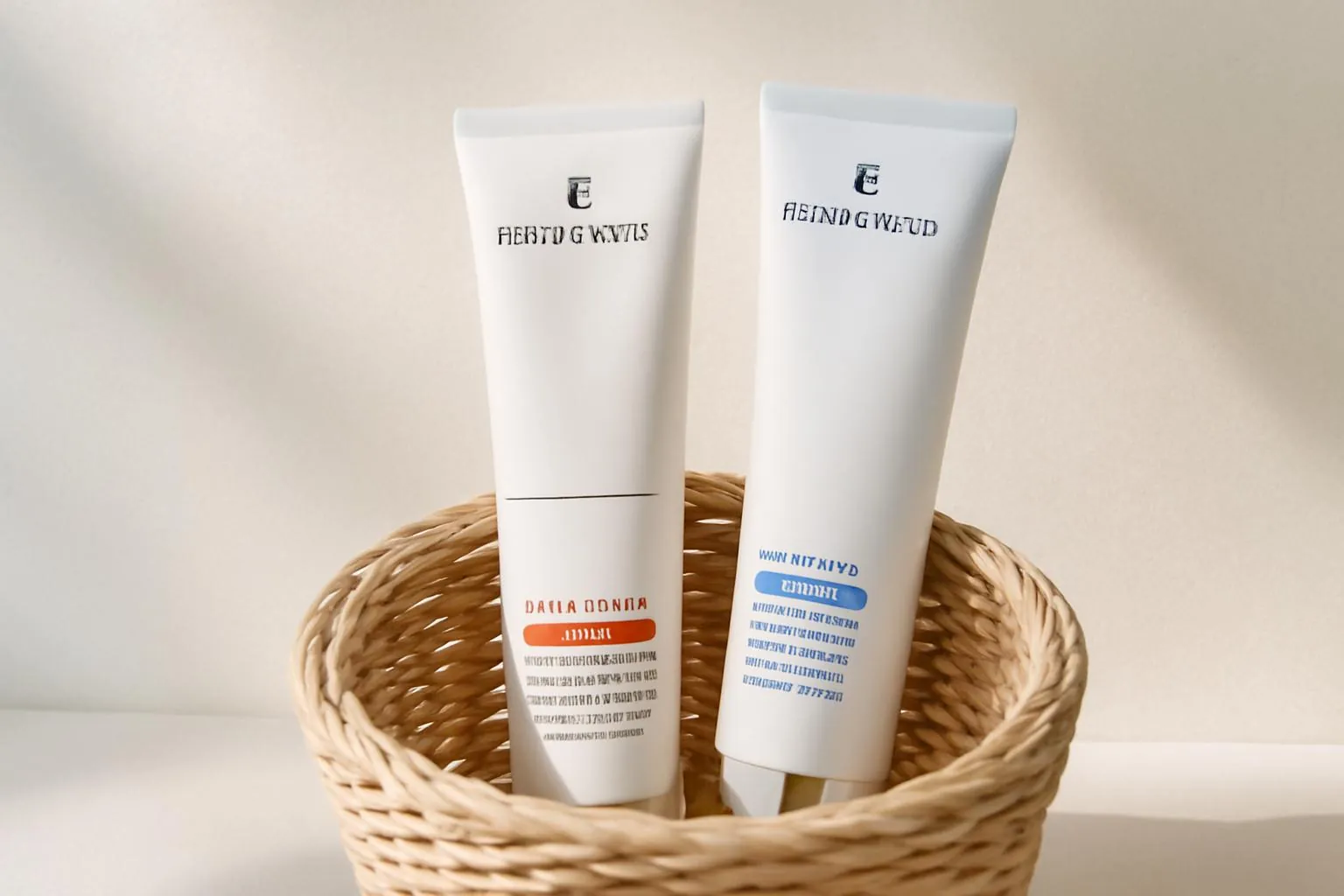
The right steps for using a moisturiser
For a moisturiser to have the greatest effect in hydrating your skin and keeping it healthy, a few simple but important steps are essential. Many people apply cream quickly, without paying attention to the order or the method, and expect remarkable results. Yet by following just a few key points, you can get far more from even a simple moisturiser. In this section, we take you step by step through the right way to use a moisturiser.
Preparing the skin before use (cleansing and toner)
The first and most important step is to clear your skin of impurities, oil and make-up. If the skin isn't clean, the moisturiser can't be absorbed properly and may even clog your pores.
To do this:
- First, wash your face with a gentle cleanser suited to your skin type.
- Then use an alcohol-free toner to balance the skin's pH and remove any remaining impurities.
This step lays the foundation for an effective skincare routine and allows your moisturiser to work better.
The right amount of moisturiser
Using too much or too little moisturiser can both get in the way of the result you want. For daily use, a pea-sized amount is enough for the whole face.
Key points:
- For oily skin, smaller amounts and lighter creams are recommended.
- On particular areas such as the cheeks or around the mouth (which are usually drier), you can apply a little more.
Using a balanced amount helps the cream absorb better and avoids common skincare mistakes.
How to massage cream into your skin
Massaging cream into your face not only helps it absorb better, it also stimulates circulation and leaves the skin looking fresher.
The suggested method:
- Using your fingertips, gently work the cream into the skin with upward circular movements.
- Start at the cheeks, then move on to the forehead and chin.
- Touch the area around the eyes with light taps, without pulling the skin.
Paying attention to this step, especially in your daily skincare, noticeably increases the cream's effectiveness.
Night or day: which is better?
One of the most common questions is when the best time to use a moisturiser is. The answer is that both day and night matter, but each plays a different role:
- Daytime use: to keep the skin moisturised throughout the day and to counter environmental damage.
- Night-time use: while you rest, the skin has the chance to renew itself, and the nourishing ingredients in the cream are absorbed better.
Some brands offer specific products labelled “night moisturiser” or “day moisturiser”, formulated for the skin's needs at those times.
Ultimately, consistency in your morning and evening use is the secret to getting the most from your moisturiser.
Important points when using a moisturiser
Even the best moisturiser cannot deliver the results you want if it isn't used properly. Knowing a few key points about how to use a moisturiser helps you get the most out of the product you use. In this section, we look at common skincare mistakes, the right place for moisturiser in your skincare routine, and tips suited to your skin type.
Common mistakes when using moisturiser
Some common mistakes can reduce how well a moisturiser works, or even harm the skin. The most important are:
- Applying cream to dry skin: cream should be applied to slightly damp skin so that it absorbs better.
- Choosing a moisturiser that doesn't suit your skin type: for example, using rich, oily creams on oily skin clogs the pores.
- Not cleansing the skin before use: impurities stop the active ingredients in the cream from penetrating effectively.
- Using too much or too little: the wrong amount can leave the skin feeling heavy or dehydrated.
- Skipping particular areas such as the neck or around the nose: these areas need moisture too.
Avoiding these mistakes is one of the simplest ways to improve the quality of your daily skincare.
The order of moisturiser in your skincare routine
In a skincare routine, the order in which you use products matters a great deal. Moisturiser needs to be applied at the right point to show its full effect. The suggested order is:
- Cleansing with a suitable cleanser
- Toner, to balance the skin's pH
- Serums or targeted treatments, if you use them
- Moisturiser (once the serum has been absorbed)
- Sunscreen, if needed (in your daytime routine)
This order allows the moisturiser to settle well on the skin and helps prevent the other nourishing ingredients from evaporating.
Tips for dry, oily and sensitive skin
Your skin type plays a decisive role in which moisturiser you choose and how you use it:
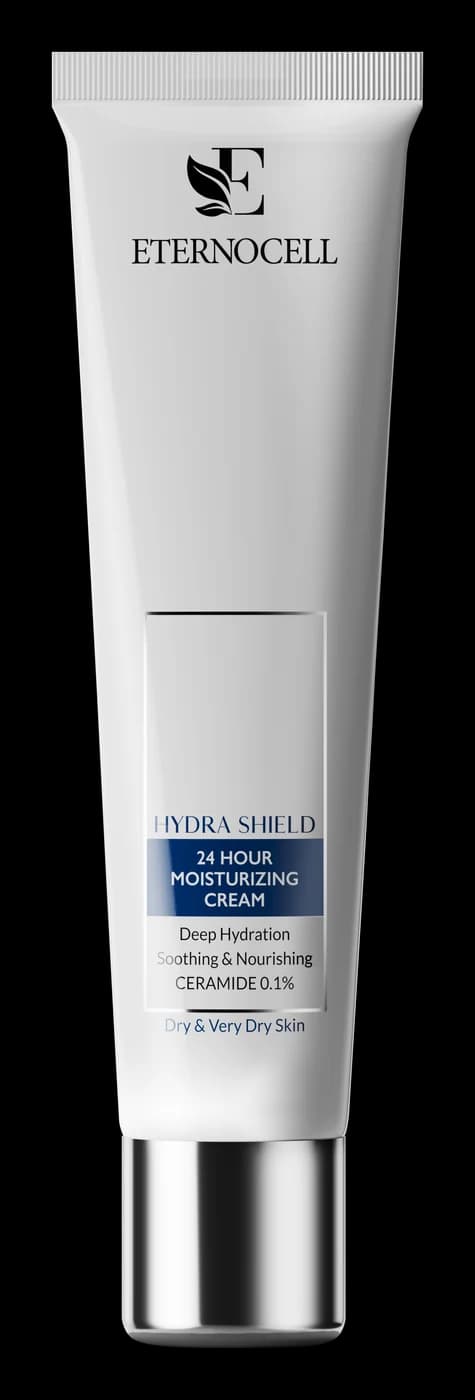
- Dry skin: needs rich moisturisers with ingredients such as hyaluronic acid, shea butter and ceramide. Using them twice a day is recommended.
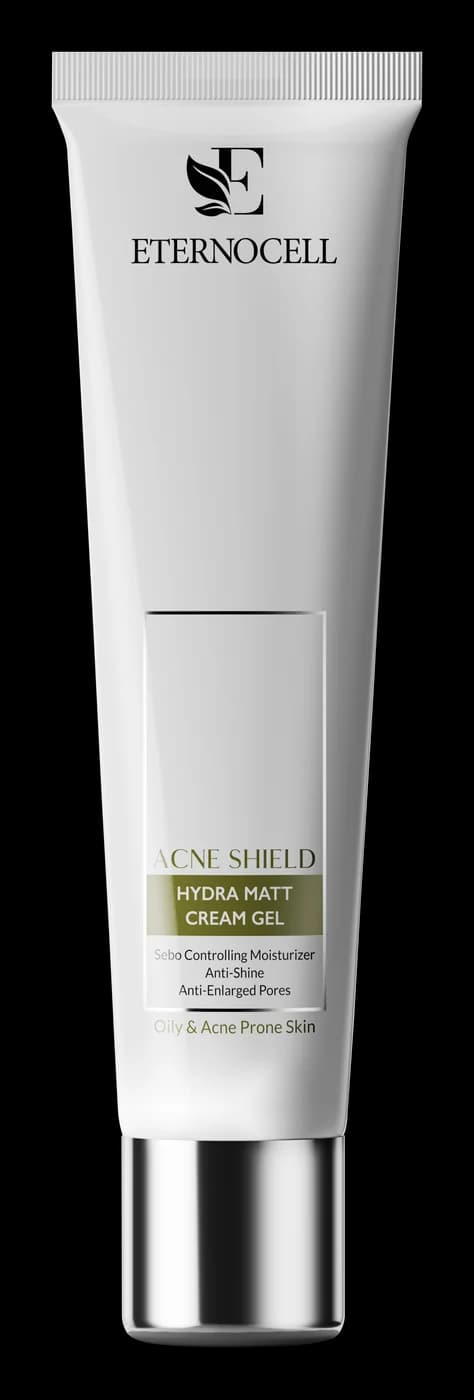
- Oily skin: it is best to use a moisturiser made for oily skin, with a gel texture or an oil-free formula, so that the pores don't become clogged.
- Sensitive skin: needs simple, fragrance-free formulas. Anti-inflammatory creams with aloe vera or chamomile extract are more suitable.
Frequently asked questions about using moisturiser
Along the way, many people have questions about how to use a moisturiser. Precise answers to these questions can help your skincare routine work better and prevent common problems. Below, we answer a few important and frequently asked questions.
Can you use moisturiser several times a day?
Yes. Using moisturiser more than once a day not only causes no problems, it is essential for some people – especially those with dry and sensitive skin. We recommend:
- Using moisturiser at least twice a day (morning and night).
- In particular conditions, such as cold weather, after washing your hands or after long contact with water, applying it more often.
What matters is choosing a moisturiser suited to how often you apply it and to your skin type, to avoid excessive greasiness or sensitivity.
Is it right to use moisturiser under sunscreen?
Yes – the correct order of skincare products matters a great deal. Moisturiser should be applied before sunscreen. This order means that:
- The skin is well hydrated and its texture is ready to receive the sunscreen.
- The sunscreen spreads over a smooth, moisturised surface and works better.
If you use a light hydrating cream or a moisturiser with SPF, the need for a separate sunscreen may be reduced in some cases, but for complete protection against UV rays, a standard sunscreen is recommended.
Can moisturiser cause breakouts?
In some cases, yes. If you use a moisturiser that doesn't suit oily or breakout-prone skin, it may lead to clogged pores and acne.
To prevent this:
- Use non-comedogenic moisturisers.
- Water- or gel-based products are more suitable for oily skin.
- For sensitive skin, use creams with simple, fragrance-free formulas.
With the right choice, a moisturiser not only won't cause breakouts but can help balance the skin's oil and reduce irritation.
Conclusion
Using a moisturiser properly is a vital foundation for keeping your skin healthy and radiant. By following the right steps, choosing a product suited to your skin type and paying attention to the key points of your skincare routine, you can enjoy the full benefits of moisturiser. Remember that regular moisturising not only improves the way your skin looks, it also plays an effective role in preventing the signs of premature ageing, inflammation and dryness. By avoiding common skincare mistakes and using your skincare products mindfully, you can have healthy, radiant, balanced skin. For more, visit the Eternocell website.