As the body's largest organ, the skin plays an important part in protecting the body and keeping you looking healthy. Yet many factors, such as climate, diet and lifestyle, can leave it dry and damaged. So what is a moisturising cream, and why should it be part of your daily skincare routine? A moisturising cream is a product that helps keep the skin hydrated, improves its protective barrier and prevents dryness. In this article we take a close look at moisturising creams: their types, key ingredients and benefits, and how to choose the right product.
What is a moisturising cream and how does it work?
A moisturising cream is a care product designed to hydrate, soften and protect the skin. These creams usually contain ingredients that hold moisture in the skin and shield it from environmental factors.
How moisturising creams work
Moisturising creams help the skin in three main ways:
- Humectants: ingredients such as glycerin and hyaluronic acid draw moisture from the surrounding air or from the deeper layers of the skin.
- Emollients: oils and lipids soften and smooth the skin.
- Occlusives: ingredients such as petroleum jelly and dimethicone form a protective layer that stops moisture from evaporating.
How a moisturising cream differs from a lotion or an ointment
- Cream: has a medium texture and suits a wide range of skin types.
- Lotion: is lighter, and better suited to oily skin or to hot climates.
- Ointment: is heavy and greasy, and is used for very dry skin or for specific conditions such as eczema.
Types of moisturising cream
Moisturising creams are grouped according to skin type and specific needs. Here are the main types:
- Moisturising cream for dry skin
These creams contain richer ingredients, such as shea butter and natural oils, that give the skin deep moisture.
- Moisturising cream for oily skin
These products are light and non-comedogenic, so they do not clog pores.
- Moisturising cream for sensitive skin
These creams are free of fragrance and irritants, and contain soothing ingredients such as aloe vera.
- Moisturising cream with SPF
As well as hydrating, these creams protect the skin from harmful UV rays.
- Anti-ageing moisturising cream
These products contain ingredients such as retinol and antioxidants that help reduce wrinkles and improve the skin's texture.
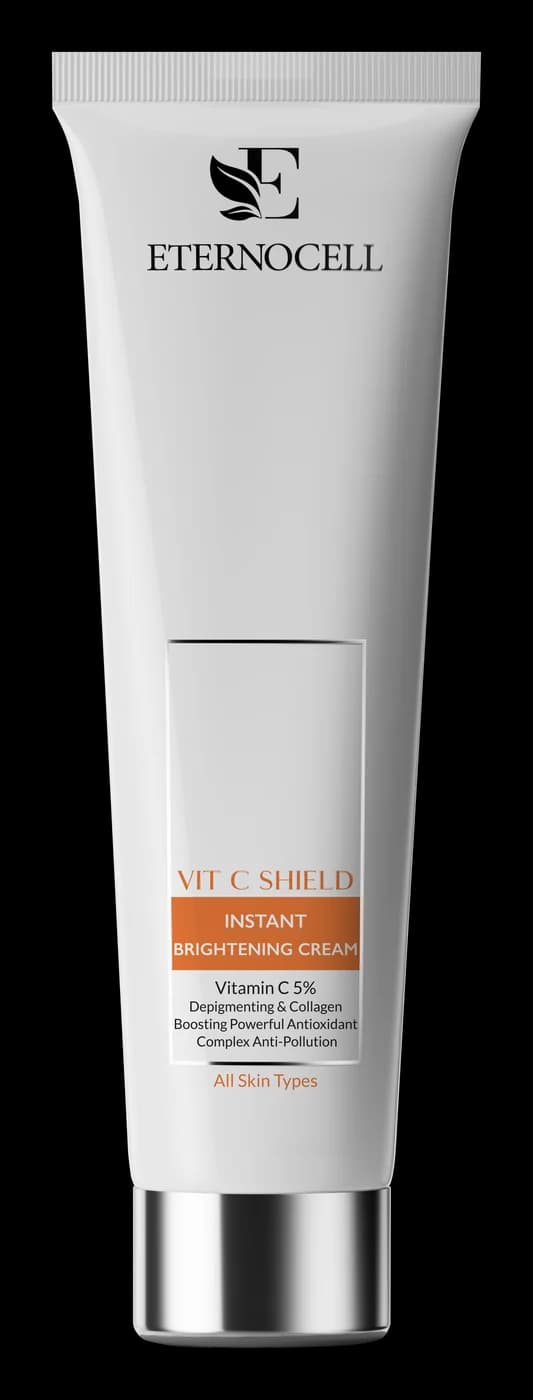
Eternocell vitamin C moisturising cream
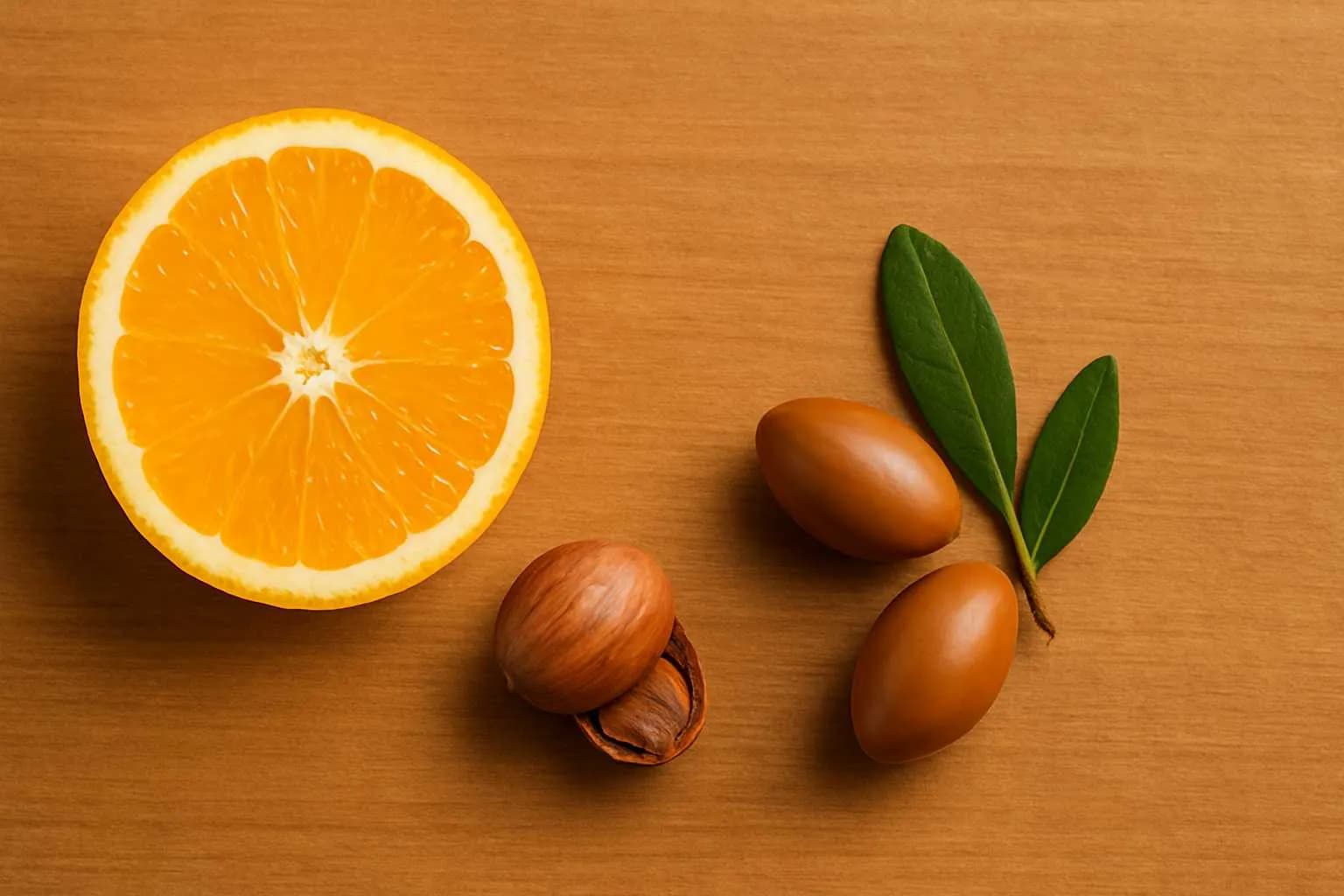
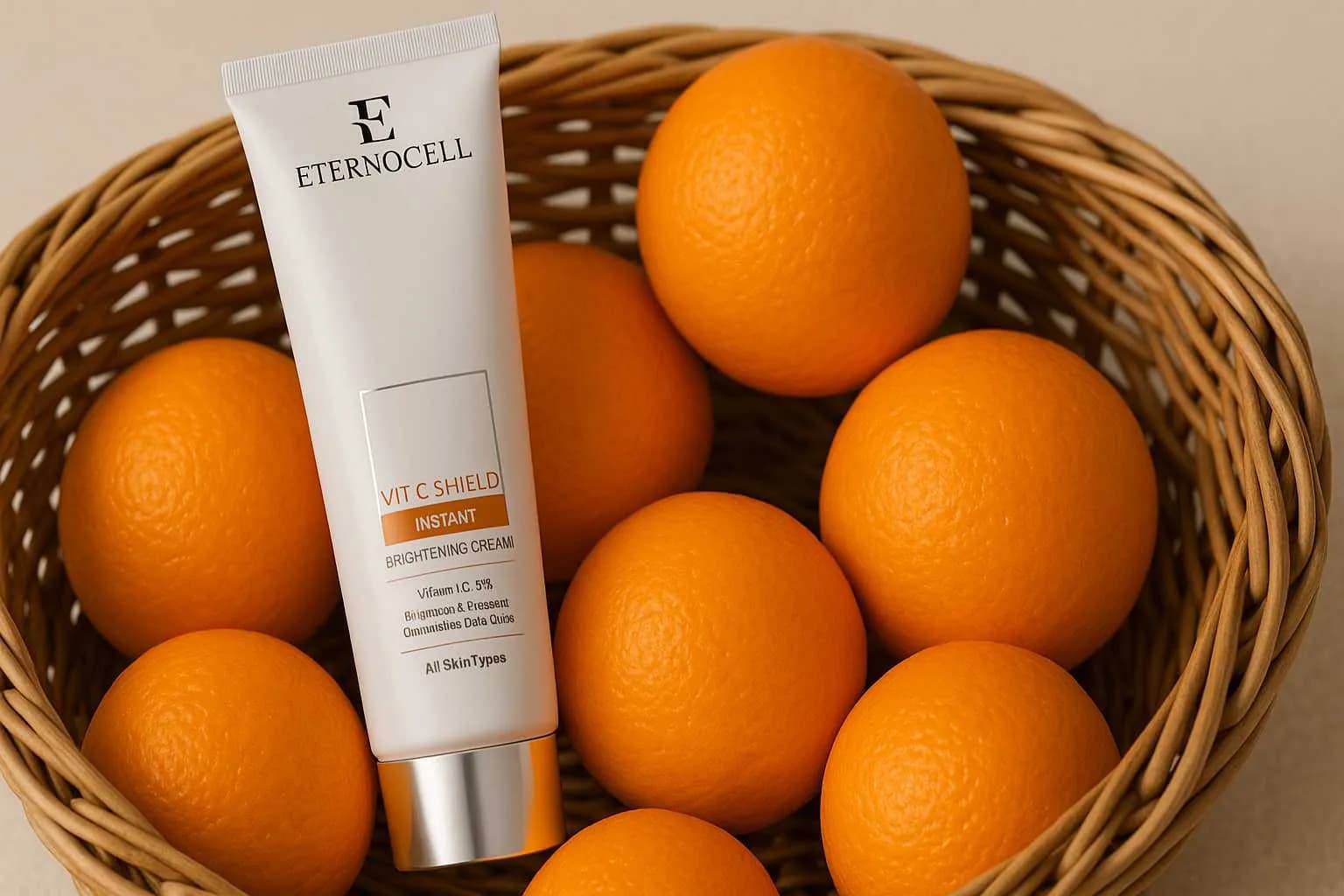
Vitamin C is one of the best-known and best-loved skincare ingredients: it is readily absorbed by the skin, reduces water loss from the skin's surface and helps repair damaged skin. By supporting collagen production, Eternocell's softening cream gel with vitamin C leaves your skin fresh and supple. With its advanced formulation, Eternocell's Vit C Shield Instant Brightening Cream prevents skin irritation.
Benefits of Eternocell's anti-wrinkle cream gel
With plant-based ingredients and 5% vitamin C in a unique formulation, this product has antioxidant and anti-spot properties, protects against premature skin ageing and refreshes the skin. Its other benefits include:
- Brightens and clarifies the skin
- Hydrates the skin's surface
- Repairs damage caused by sunlight and environmental pollution
- Protects against premature skin ageing
- Boosts collagen production
- Reduces fine lines and wrinkles
- Absorbs quickly
Key ingredients in moisturising creams
To choose the right moisturising cream, it helps to know its active ingredients. Here are some of the most important:
- Glycerin
Glycerin is a powerful humectant that draws moisture from the surrounding air and holds it in the skin.
- Hyaluronic acid
This ingredient can absorb up to 1,000 times its own weight in water and helps hydrate the skin deeply.
- Ceramides
Ceramides help repair the skin's barrier and stop moisture from evaporating.
- Natural oils
Oils such as jojoba, argan and coconut soften and nourish the skin.
- Antioxidants
Vitamin C, vitamin E and niacinamide protect the skin from environmental damage and help brighten it.
Benefits of using a moisturising cream
Using a moisturising cream regularly has many benefits for the skin:
- Prevents dryness and flaking
- Improves the skin's barrier
- Reduces the appearance of fine lines caused by dryness
- Protects the skin from environmental factors such as cold and wind
- Improves the skin's texture and radiance
How to choose the best moisturising cream
The right moisturising cream depends on your skin type, the season and your own needs. Here are a few key tips for choosing the right product:
- Know your skin type
- Dry skin: choose rich creams with ceramides and natural oils.
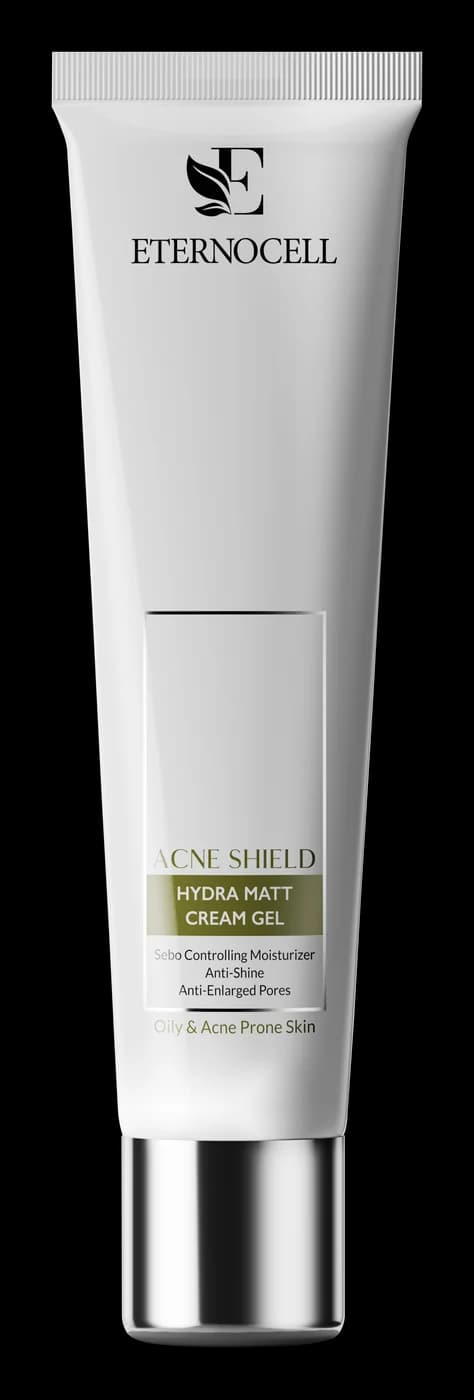
- Oily skin: look for light, non-comedogenic creams.
- Sensitive skin: use fragrance-free creams with soothing ingredients.
- Combination skin: balanced creams that even out both the dry and the oily areas are a good fit.
- Consider the season and climate
- In winter, heavier creams are better for extra protection.
- In summer, lighter creams or moisturising gels work better.
- Check the ingredients
Ingredients such as hyaluronic acid, glycerin and ceramides should appear near the top of the ingredient list to be more effective.
- Do a patch test
Before using the cream more widely, test it on a small area of skin to make sure it does not cause a reaction.
How to use a moisturising cream correctly
To get the best results, you need to use your moisturising cream correctly:
- Cleanse your skin
Before applying the cream, clean your skin with a gentle cleanser to remove impurities and excess oil.
- Use the right amount
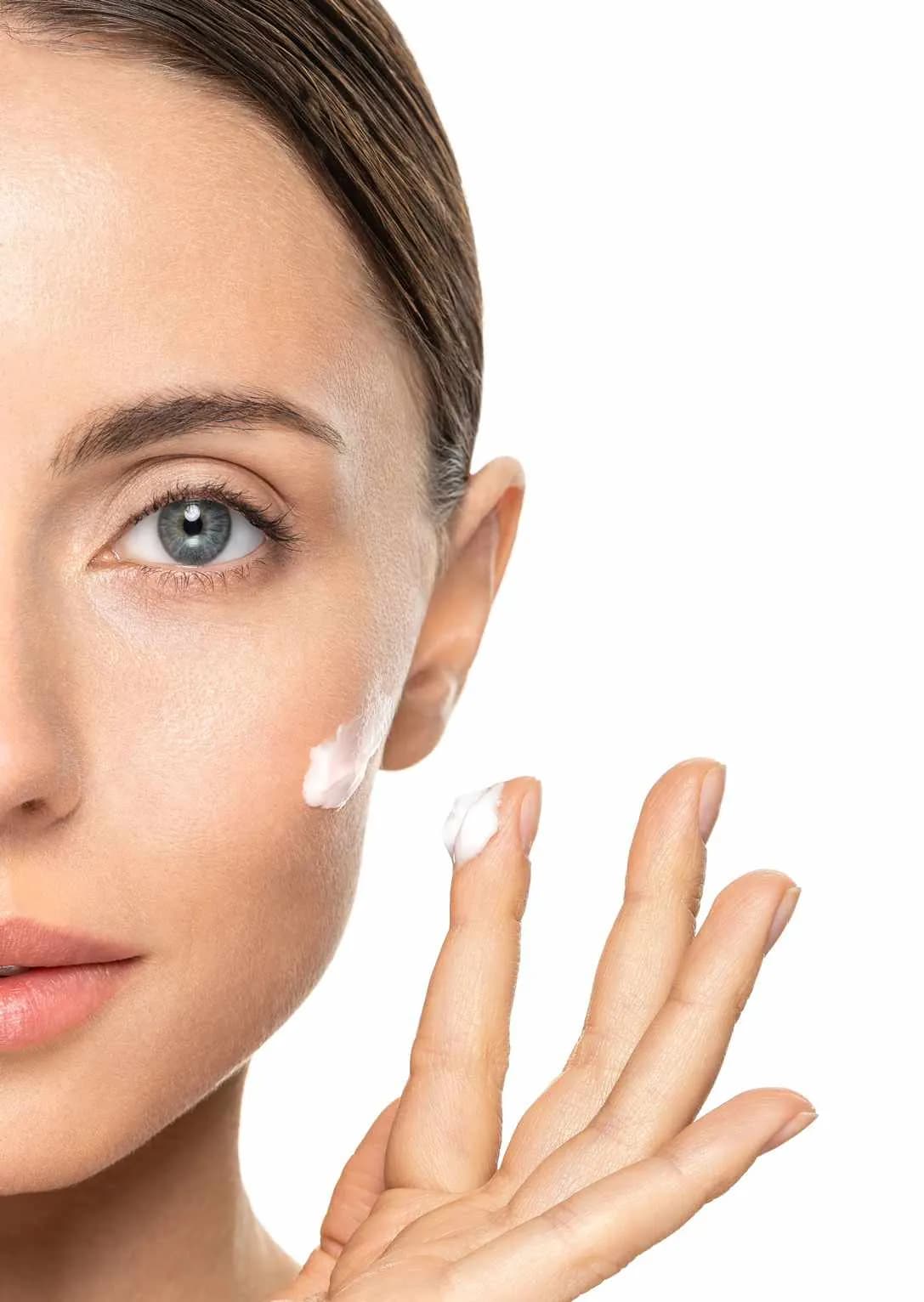
A small amount of cream (about the size of a small coin) is enough for the whole face. Using too much can leave the skin feeling heavy or greasy.
- When to apply it
Apply your moisturising cream morning and night, after cleansing or after your serum.
- How to apply it
Gently massage the cream into your skin with circular movements until it is fully absorbed.
- Use sunscreen
During the day, apply sunscreen after your moisturising cream to protect your skin from UV rays.
Common myths about moisturising creams
Some misconceptions can lead people to use moisturising creams incorrectly. Here are a few of them:
- Oily skin does not need a moisturiser
Even oily skin needs hydration. Using light creams can help balance the skin's oil.
- Moisturising cream is only for dry skin
Every skin type, from oily to sensitive, needs a moisturiser to keep the skin hydrated and healthy.
- More expensive creams are always better
A cream's quality depends on its ingredients and how well it suits your skin, not simply on its price.
Moisturising cream versus other skincare products
Moisturising creams are often confused with serums, facial oils or toners. Here is how they differ:
- Serum: is lighter, and is designed to penetrate more deeply and address specific concerns such as dark spots.
- Facial oil: is good for nourishing the skin deeply, but may be too heavy for oily skin.
- Toner: is used to balance the skin's pH and prepare it for moisturiser.
Further tips for caring for your skin with a moisturising cream
To make your moisturising cream more effective, keep these tips in mind:
- Hydrate from within: drinking enough water helps keep the skin hydrated from the inside.
- Eat a healthy diet: foods rich in omega-3 and antioxidants support healthy skin.
- Avoid harsh cleansers: harsh cleansers can weaken the skin's barrier.
- Use a humidifier: in dry environments, a humidifier can help keep your skin hydrated.
Eternocell moisturising cream with vitamin C
Vitamin C is one of the best-known and best-loved skincare ingredients: it is readily absorbed by the skin, reduces water loss from the skin's surface and helps repair damaged skin. By supporting collagen production, Eternocell's Vit C Shield Instant Brightening Cream leaves your skin fresh and supple. With its advanced formulation, Eternocell's softening cream gel with vitamin C prevents skin irritation.
Benefits of Eternocell's anti-wrinkle cream gel
With plant-based ingredients and 5% vitamin C in a unique formulation, this product has antioxidant and anti-spot properties, protects against premature skin ageing and refreshes the skin. Among its other
benefits are the following:
- Brightens and clarifies the skin
- Hydrates the skin's surface
- Repairs damage caused by sunlight and environmental pollution
- Protects against premature skin ageing
- Boosts collagen production
- Reduces fine lines and wrinkles
- Absorbs quickly
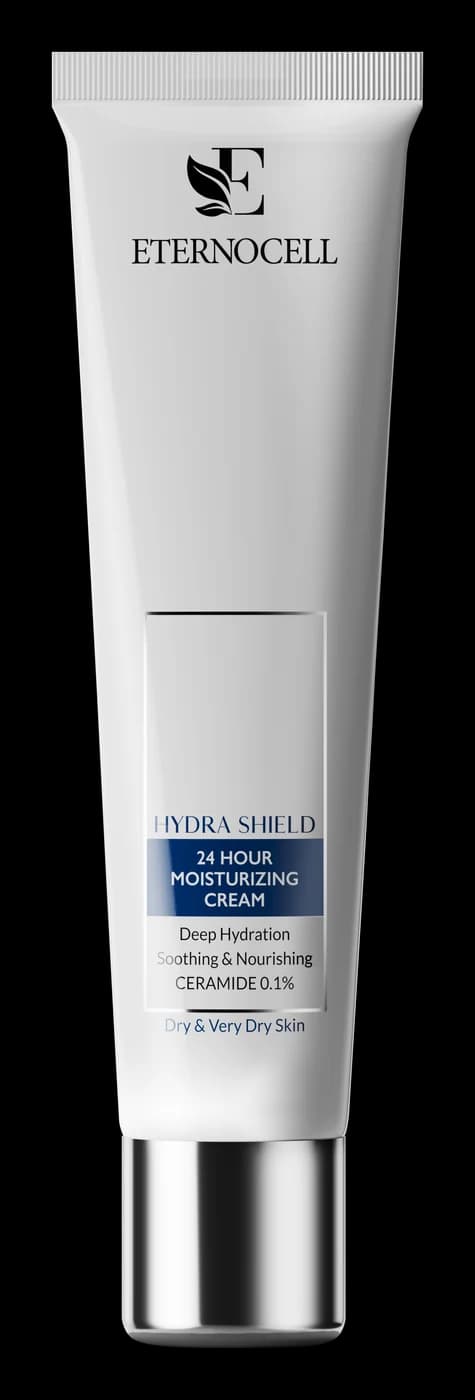
Eternocell moisturising cream for dry skin
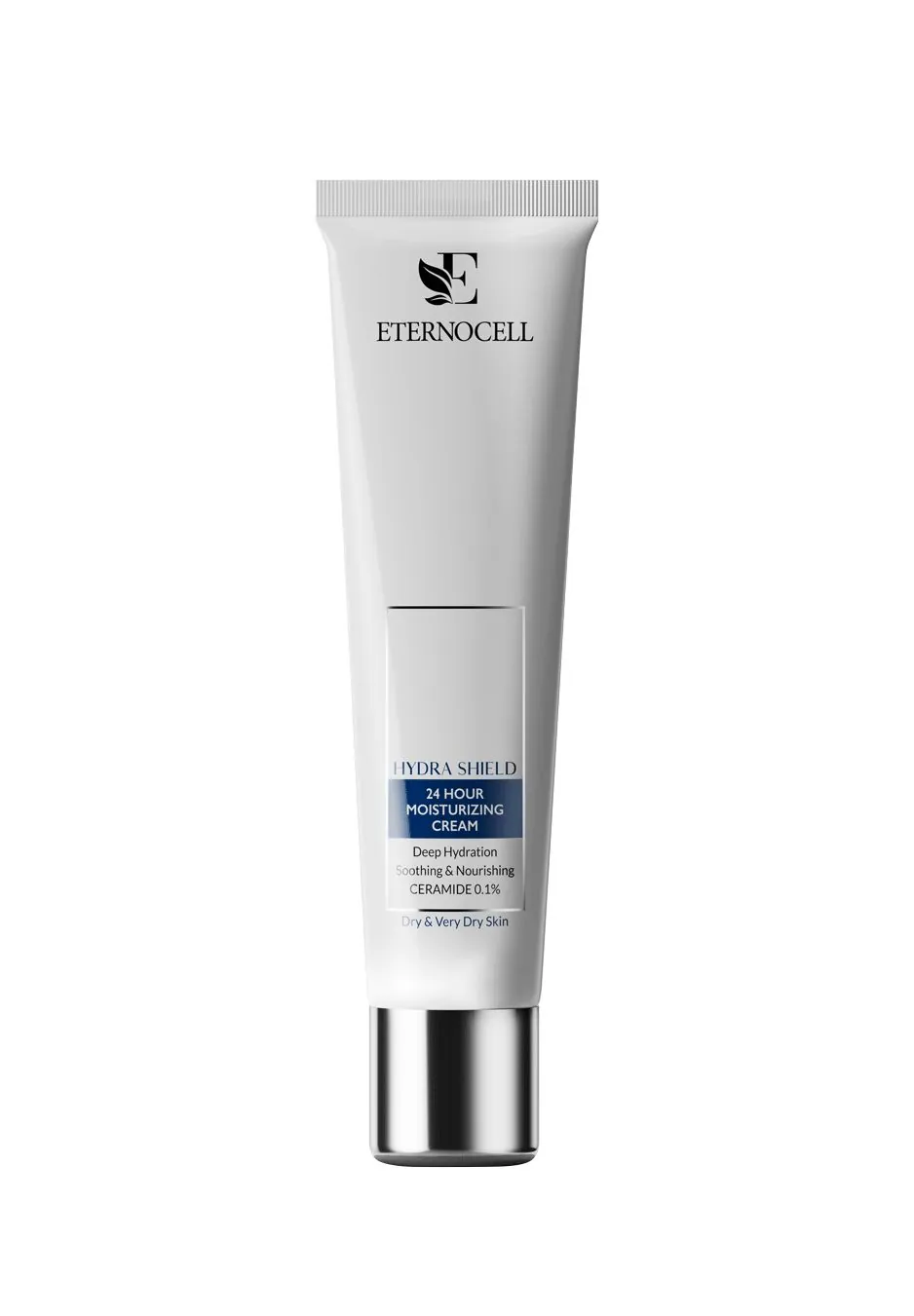
When the skin's moisture barrier breaks down, the result is dryness, wrinkles and, in turn, premature ageing. Eternocell's moisturising cream gel for dry skin uses ceramide, a natural lipid, to help restore the lipids your skin has lost. With its rich, nourishing texture, this product stops the skin from losing moisture.
Benefits of Eternocell's anti-wrinkle cream gel
With its advanced formulation, this product is designed to maximise your skin's moisture and so naturally help restore the lipids it has lost. Among the other benefits of this
product are the following:
- Reduces wrinkles
- Improves the skin's suppleness
- Slows the ageing process
- Strengthens the skin's moisture barrier
- Hydrates
Why a moisturising cream belongs in your routine
So what is a moisturising cream? It is a key skincare product that helps hydrate and protect your skin and improve its health. By choosing the right cream for your skin type, using it correctly and following good skincare habits, you can have soft, radiant, healthy skin. A moisturising cream is essential not only for relieving dryness but also for preventing skin problems and keeping your skin youthful. Add it to your skincare routine today and feel the difference.