Dry skin is one of the most common skin concerns, and it can cause a feeling of tightness, roughness, itching and even cracking. To manage this condition and preserve the skin's natural moisture, a moisturiser is recommended as an essential part of your daily skincare routine. In this article, we look closely at why dry skin needs a moisturiser, how to choose the right product, the correct way to use it, and the answers to common questions on the subject. The aim of this guide is to offer practical information on using moisturiser for dry skin, so that you can enjoy softer, healthier and fresher skin.
Why does dry skin need a moisturiser?
Dry skin usually results from a fall in the skin's natural oils and a disrupted protective barrier. In these conditions, the skin is less able to hold on to moisture, and this allows water to evaporate from its surface. A moisturiser helps rebuild the skin's protective layer and, by forming a physical barrier, stops moisture from escaping. In addition, the ingredients in moisturisers, such as emollients, humectants and lipids, play a direct role in improving the skin's softness and suppleness. Regular use of a moisturiser therefore not only reduces the uncomfortable symptoms of dryness but also prevents secondary problems such as cracking and inflammation.
Signs and problems of dry skin
Dry skin often comes with signs such as roughness, flaking, a feeling of tightness after washing and, in severe cases, itching and cracking. These symptoms are usually more pronounced on areas such as the cheeks, hands, lower legs and knees. Without proper care, dry skin may lead to inflammation, redness or even superficial sores. People with dry skin often experience discomfort or a burning sensation, especially in the colder seasons or in dry environments. This condition not only affects the way the skin looks but can also lower a person's quality of life.
The role of moisturiser in improving dry skin
We have already covered everything you need to know about moisturiser in full. In short, these products form a protective layer on the skin's surface that prevents water from evaporating and creates the right environment for skin cells to renew. They often contain ingredients that, while preserving moisture, help repair damaged tissue and reduce skin inflammation. Some moisturisers also have antibacterial or anti-inflammatory properties, which have a notable therapeutic effect in cases of chronic dryness or dryness accompanied by irritation. Consistent, correct use of moisturisers can not only improve the way the skin looks but also restore its comfort and natural softness.
Choosing the right moisturiser for dry skin
Choosing the right moisturiser for dry skin means paying attention to the ingredients, your skin type and your own particular needs. Products for dry skin should be rich in moisturising and nourishing ingredients, and at the same time free of alcohol, fragrance and other irritating ingredients that could worsen dryness or trigger sensitivity. The cream's texture should also be one that doesn't leave the skin feeling heavy or overly greasy after application. Consulting a dermatologist and checking the product's ingredient label carefully can lead to a more confident choice.
Effective ingredients in moisturisers (such as hyaluronic acid, glycerin and ceramides)
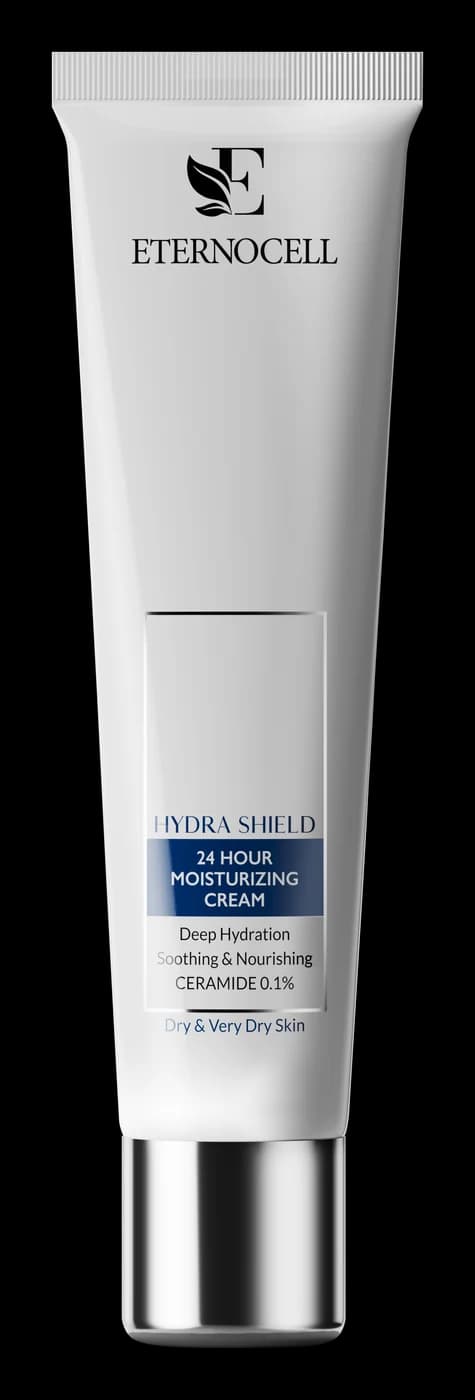
Effective moisturisers for dry skin usually contain ingredients that play a key role in attracting and holding moisture. Hyaluronic acid is one of the most important: it can absorb up to several times its own weight in water and hold it within the layers of the skin. Glycerin is a classic ingredient with strong water-attracting properties that leaves the skin soft and smooth. Ceramides, meanwhile, help rebuild the skin barrier and stop water from escaping from the skin's layers. Having these ingredients in a moisturiser's formula makes it an effective option for improving dryness and preventing irritation.
Radiant skin with Eternocell's vitamin C moisturiser
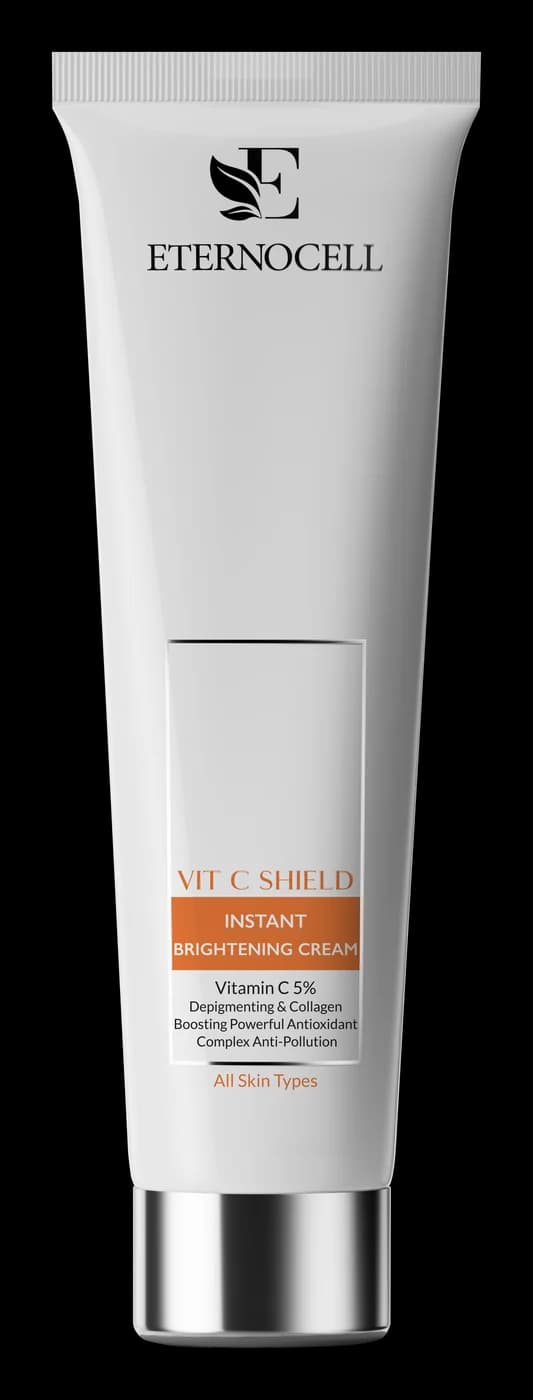
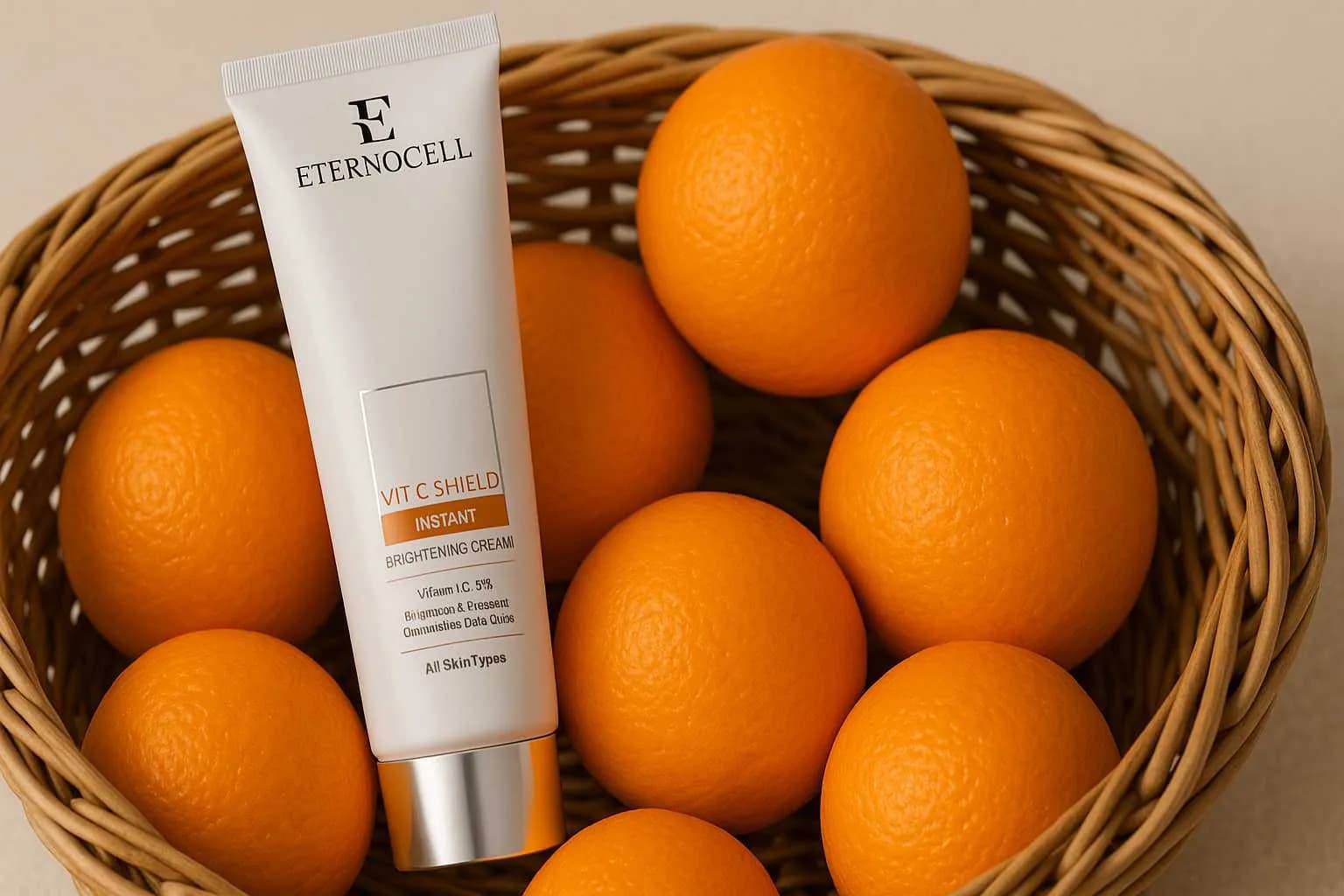
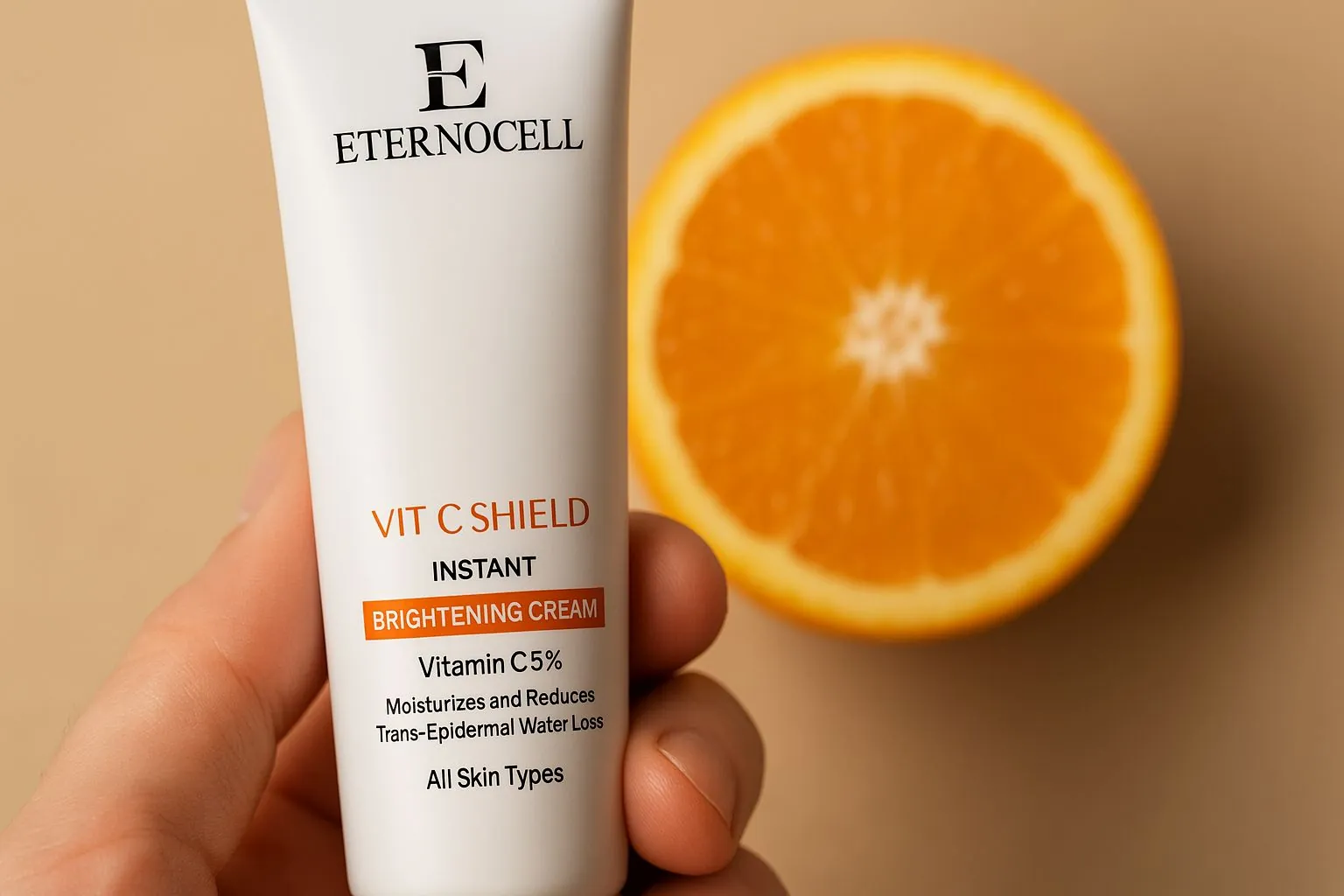
If you are looking for a product that both keeps your skin moisturised and gives it new life, Eternocell's Vit C Shield Instant Brightening Cream is a smart choice. With its light texture and quick absorption, this cream not only preserves the skin's moisture but also prevents water from evaporating and strengthens the skin barrier.
The product's advanced vitamin C formula helps with collagen production and leaves damaged skin repaired and refreshed. The result? Soft, clear skin, free from bothersome irritation.
This versatile moisturiser offers an exceptional skincare experience – especially if you are looking for natural radiance and healthy skin.
Tips for buying a moisturiser for dry skin
When buying a moisturiser for dry skin, there are a few key points to keep in mind. First of all, check the product label and make sure it is free of irritants such as alcohol, synthetic fragrances and chemical dyes. Products with active moisturising ingredients such as shea butter, aloe vera, natural oils and ceramides are recommended for dry skin. The cream's texture matters too: thicker textures are usually better suited to severe dryness. Finally, if your skin is very sensitive, it is best to choose products labelled “hypoallergenic” or “dermatologist tested”.
The right steps for using a moisturiser
To get the greatest benefit from a moisturiser, it is essential to follow the right steps. First, the skin should be properly cleansed of any impurities or traces of make-up. Then gently pat it dry with a soft towel, though it is best to leave it slightly damp. In this state, the cream is absorbed better and the remaining moisture is preserved. Regular use with the right technique not only increases the product's effectiveness but also avoids wasting it. Below, we look at each step in more detail.
Preparing the skin before use
The first step in using a moisturiser effectively is preparing your skin properly. This process begins with cleansing, so it is best to use a gentle, alcohol-free cleanser that removes impurities and excess oil without harming the skin. After washing, gently pat your skin dry with a soft towel and let a little moisture remain. This moisture helps the cream absorb better. Correct preparation not only helps your moisturiser work more effectively but also prevents clogged pores and inflammation.
The right amount and how to massage it in
To make full use of your moisturiser's benefits, using the right amount and applying it correctly matter a great deal. Usually, a pea-sized amount of cream is enough for each area of the face. Using too much can leave the skin feeling heavy and greasy, and wastes product at the same time. Once the cream is on your skin, gently massage it in with your fingertips, using soft circular movements. This improves local circulation and helps the cream absorb into the layers of the skin. Avoid pressing hard or using rough movements.
The best time of day to apply it
Timing plays an important role in getting the best results from your moisturiser. Usually, twice a day – once in the morning after washing your face and once at night before bed – are the ideal times to use a moisturiser. Using it in the morning keeps your skin moisturised throughout the day and protects it against environmental factors such as wind and pollution. Using it at night, in turn, helps the skin repair and renew itself as you rest overnight. The best moment of all to apply the cream is straight after a bath or after washing, while the skin is still slightly damp.
Conclusion and final advice
Although dry skin is a common problem, it can be managed well by following the right principles of care. Choosing the right moisturiser, knowing the effective ingredients, and paying attention to timing and correct application all play an important part in improving the condition of your skin. Regular, correct use of a moisturiser not only helps reduce the unpleasant symptoms of dryness but also preserves the skin's health and freshness in the long term. We recommend that people with dry skin adopt a consistent skincare routine and take care when choosing skincare products, to prevent more serious problems. For more, follow the Eternocell blog.