Skincare has become one of people's main concerns today, and one of the most common questions is how a hydrator differs from a moisturising cream. Many people assume the two do the same job, but in fact each plays a specific part in a skincare routine. Despite their apparent similarities, hydrators and moisturising creams differ fundamentally in their ingredients and in how they work, and these differences can have a considerable effect on the health and beauty of your skin.
The difference matters for your skin because choosing the wrong product can lead to problems such as dryness, sensitivity or dehydration. A proper understanding of what hydrators and moisturising creams are and how they work can help you choose the product your skin needs and so get better results. In this article we look closely at the differences between a hydrator and a moisturising cream, so that with a clearer picture of both you can make the right decision for your skincare routine.
What is a moisturising cream?
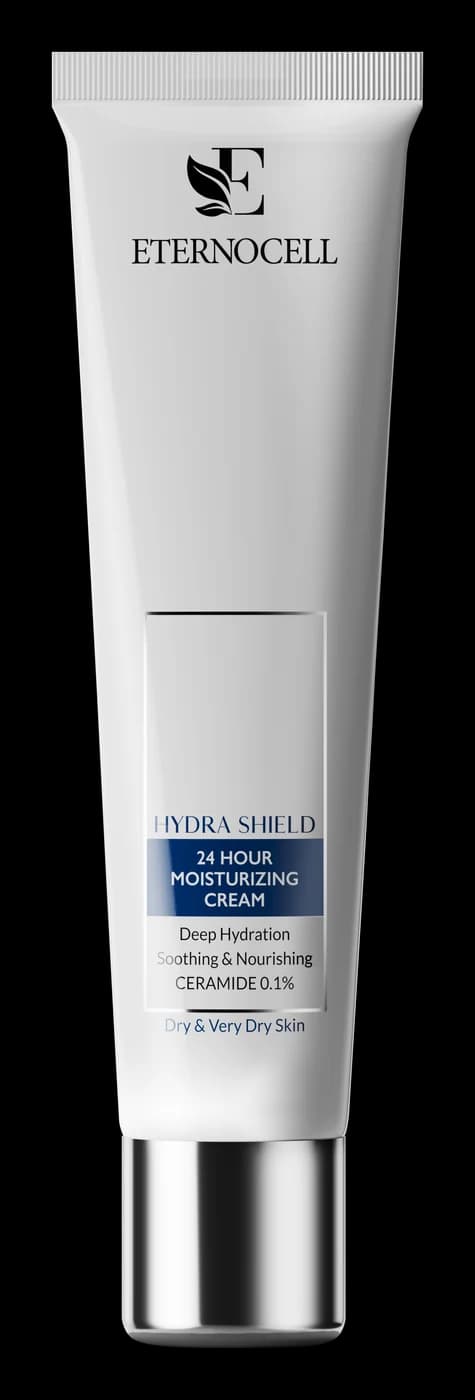
A moisturising cream is one of the essential products in a skincare routine. It helps the skin retain its moisture and protects it from dryness and environmental damage. By combining water and oil, these creams form a protective layer on the surface of the skin that stops moisture from evaporating. If you are not yet familiar with what this product is and what it does, you can read our article What is a moisturising cream? to find out more.
Characteristics of a moisturising cream
Moisturising creams are a blend of water and oil that act as a protective barrier, shielding the skin from environmental factors and helping it retain moisture. Their main ingredients include glycerin, plant oils and vitamins, which help keep the skin soft and smooth. By forming a protective layer on the surface of the skin, moisturising creams prevent its natural moisture from evaporating and so keep it soft and moisturised. They are especially useful for preventing dryness and tightness, and can play an effective part in keeping the skin healthy.
What is a hydrator?
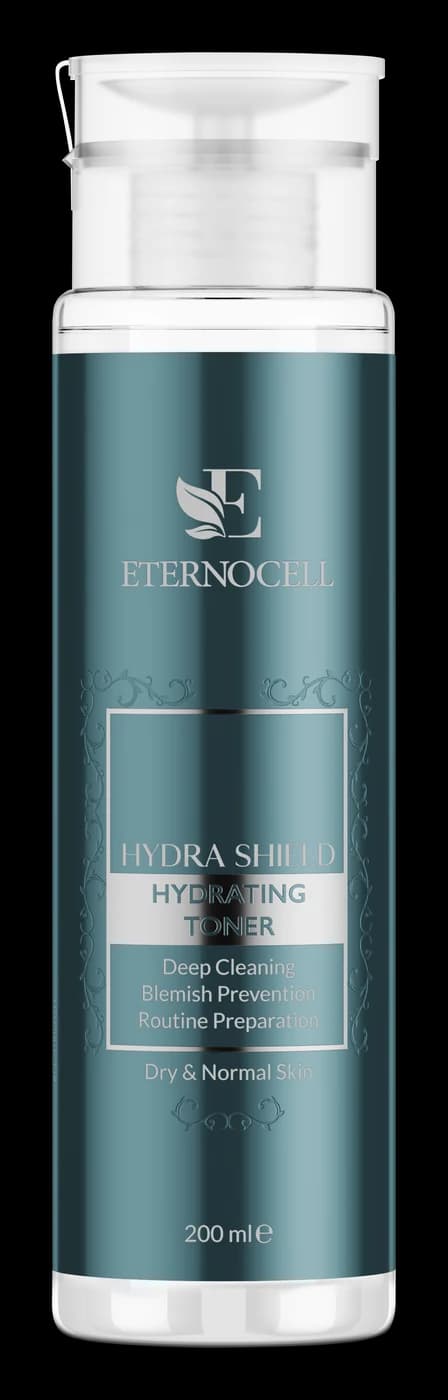
Hydrators are products designed specifically to supply the skin with moisture. By drawing in water and holding it in the different layers of the skin, they help keep it fresh and moisturised. Hydrators are usually recommended for dry or dehydrated skin, because they can draw in the water the skin needs and prevent dryness and roughness.
Characteristics of a hydrator
Hydrators usually have light, fast-absorbing formulas designed to give the skin the moisture it needs without leaving it feeling greasy. They typically refresh and soften the skin without any sense of heaviness or excess oil.
What hydrators are and how they work
Hydrators are formulations that use humectant, moisture-giving ingredients such as hyaluronic acid to draw water into the skin and keep it there. They are especially helpful for dehydrated skin, which becomes dry and tight through a lack of water. Hydrators penetrate the lower layers of the skin, draw in moisture and keep the skin moisturised.
Common ingredients in hydrators
Hyaluronic acid is one of the most common ingredients in hydrators. It occurs naturally in the skin and can draw in and hold large amounts of water. Other common ingredients include glycerin, plant extracts and peptides, which help strengthen the skin and increase its moisture.
How a hydrator affects the skin
Hydrators help the skin draw in water and hold it in its different layers. This leaves the skin fresh and radiant and prevents it from becoming dry and dehydrated. These products are very effective at maintaining the skin's natural moisture and preventing dryness and tightness.
The difference between a hydrator and a moisturising cream
Hydrators and moisturising creams both play a vital part in skincare, but they differ fundamentally in how they work and what they contain. Hydrators focus mainly on drawing in and holding water in the lower layers of the skin, and usually contain ingredients such as hyaluronic acid that deliver moisture to the skin and keep it fresh and moisturised.
Moisturising creams, on the other hand, act as a protective layer that stops moisture from evaporating from the skin, and usually contain ingredients such as glycerin and plant oils that soften and smooth it. While hydrators are better suited to dehydrated skin that lacks water, moisturising creams are intended more for retaining moisture and preventing dry skin. Choosing between the two therefore depends on what your skin needs and on your environment.
Which product is right for you?
To choose between a hydrator and a moisturising cream, first consider your skin type and your own needs:
- Dry skin: if your skin constantly feels dry and may become cracked or rough, a moisturising cream is a good choice. By forming a protective layer on the surface of the skin, it prevents moisture from evaporating and the skin from drying out.
- Dehydrated skin: if your skin becomes dry, dull and tight through a lack of water, a hydrator is the better choice. By drawing in and holding water in the lower layers of the skin, hydrators help keep it fresh and radiant.
- Oily skin: if you have oily skin, look for light, non-greasy hydrators that give your skin moisture without making it oilier. In this case, an oil-free hydrator is the better option.
- Sensitive skin: for sensitive skin, it is best to use gentle moisturising creams and hydrators free of irritants, which soften and soothe the skin and help prevent reactions.
- Combination skin: if your skin has both dry and oily areas, you can use both products. Use a moisturising cream on the dry areas and a hydrator on the oilier areas to keep your skin in balance.
Summary
Ultimately, hydrators and moisturising creams each play a unique part in skincare, and the right choice between them depends on your skin type and your own needs. Hydrators focus on drawing in and holding moisture in the lower layers of the skin, making them the best option for dehydrated skin that lacks water. Moisturising creams, by contrast, form a protective layer that retains the skin's moisture and prevents dryness. Using the two products together correctly in your routine can therefore help keep your skin healthy and radiant and prevent problems such as dryness and tightness. For more on skincare routines, stay with Eternocell.