In the world of skincare, choosing the right product can be a challenge. Creams, gels and serums each have their own distinctive properties and uses, and knowing how they differ helps you choose the best option for your skin's needs. If you have been wondering “What is the difference between a cream and a serum?”, this article offers a comprehensive guide, looking closely at the ingredients, texture, function and uses of these products. Read on to improve your skincare routine with a full understanding of the choices.
What is a skin cream and what is it used for?
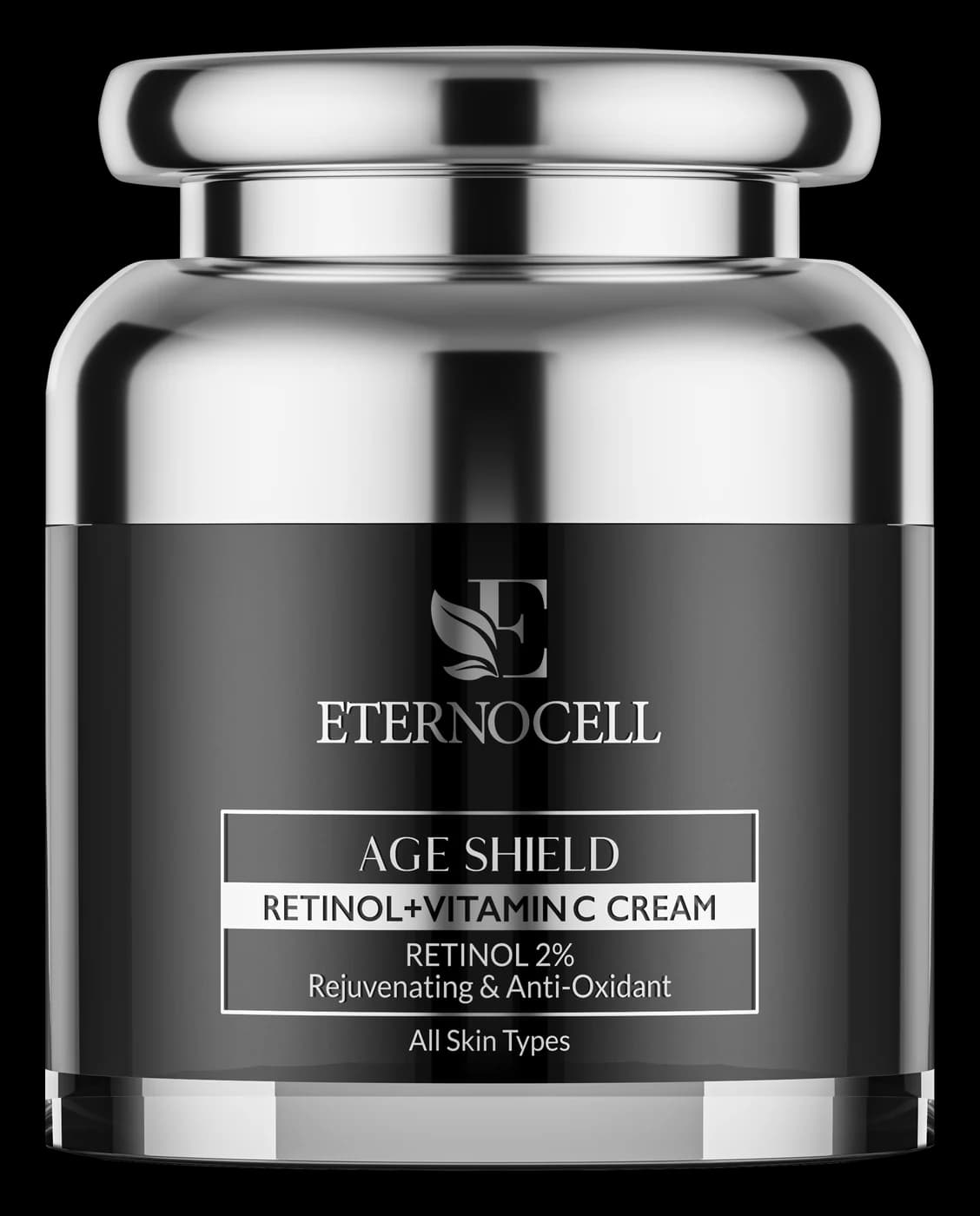
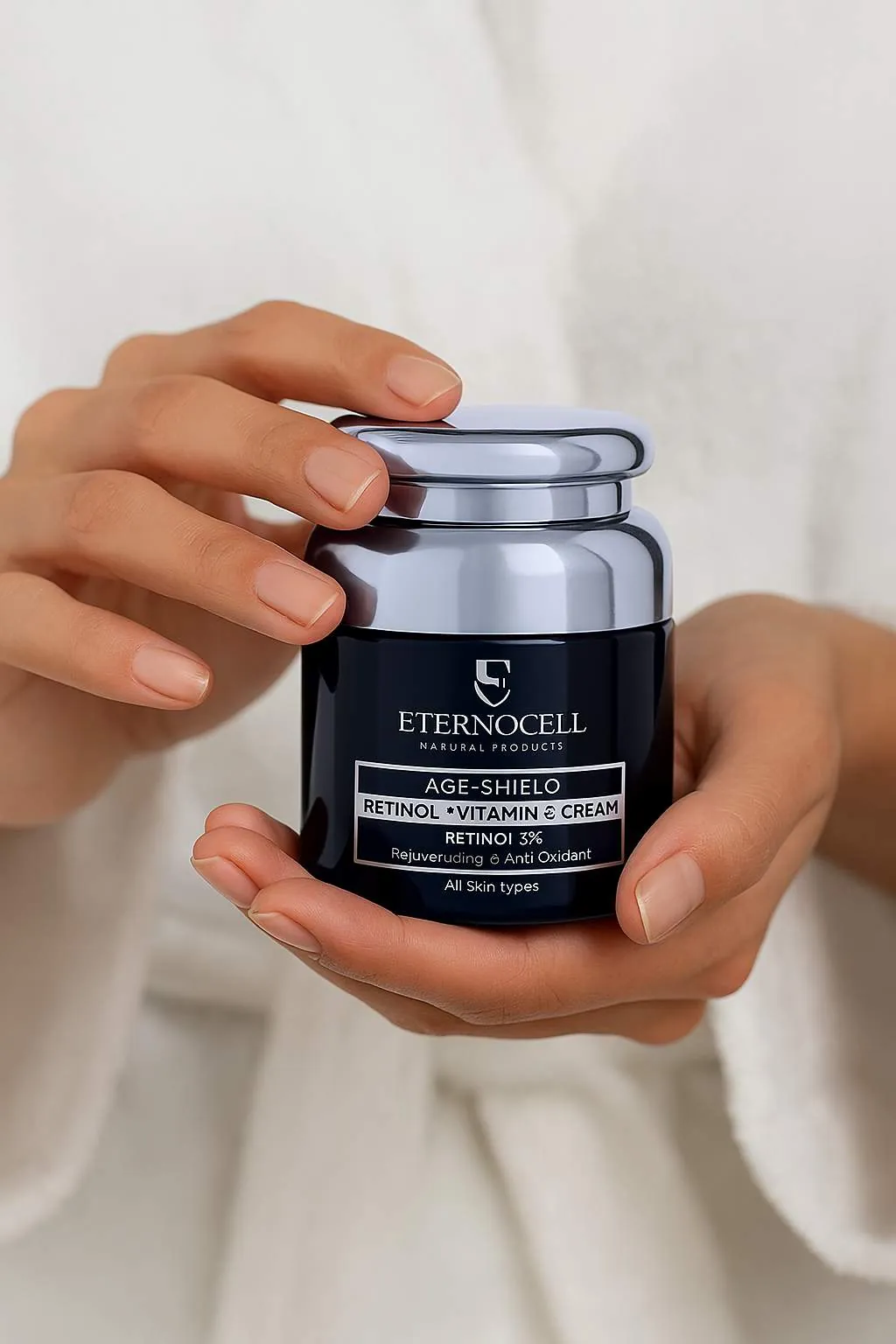
A skin cream is a skincare product with a rich, nourishing texture, designed to hydrate and protect the skin. Creams usually contain ingredients such as natural oils, moisturising agents and nutrients such as vitamins. Skin creams are especially suitable for dry, sensitive or damaged skin: they can prevent dryness, protect the skin against environmental factors such as sun or cold, and help it repair. From everyday moisturisers to the various anti-wrinkle creams and sunscreens, each plays an important role in keeping the skin healthy and beautiful.
What is a serum and why does it matter in your skincare routine?
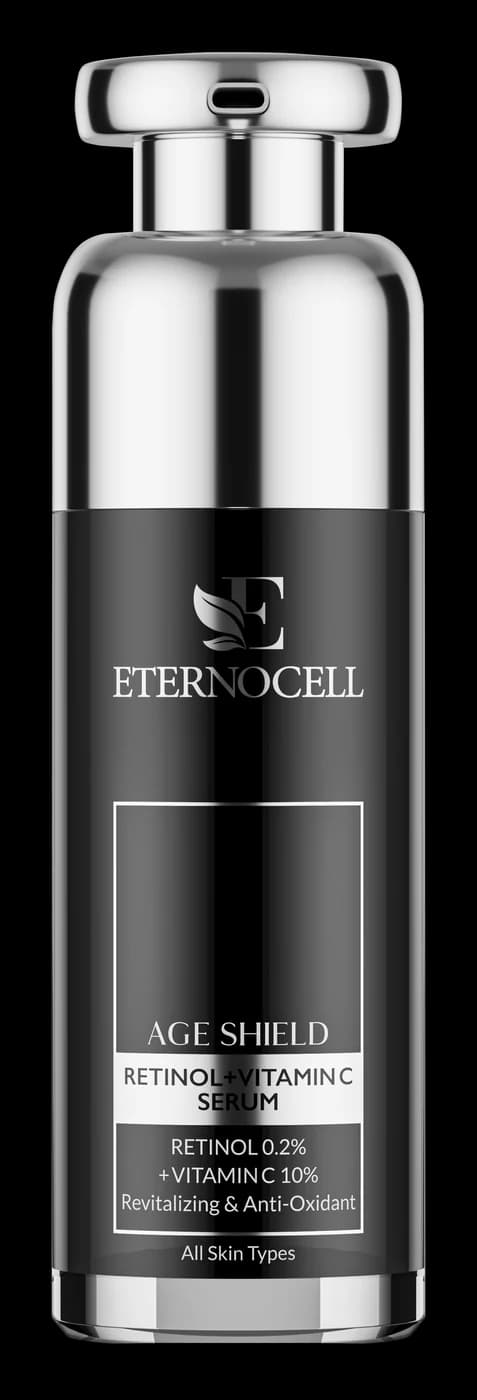
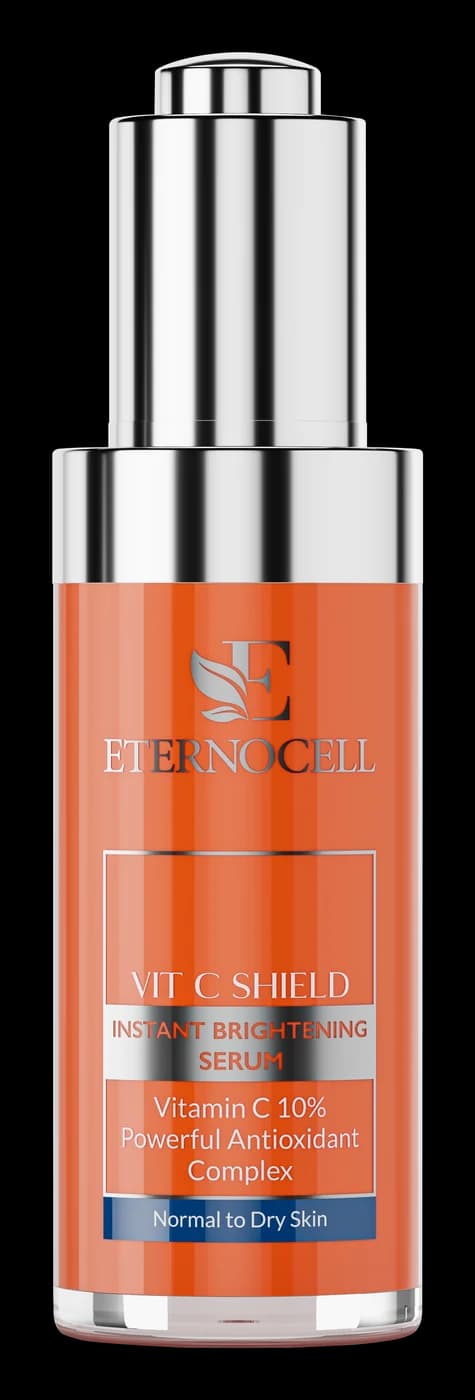
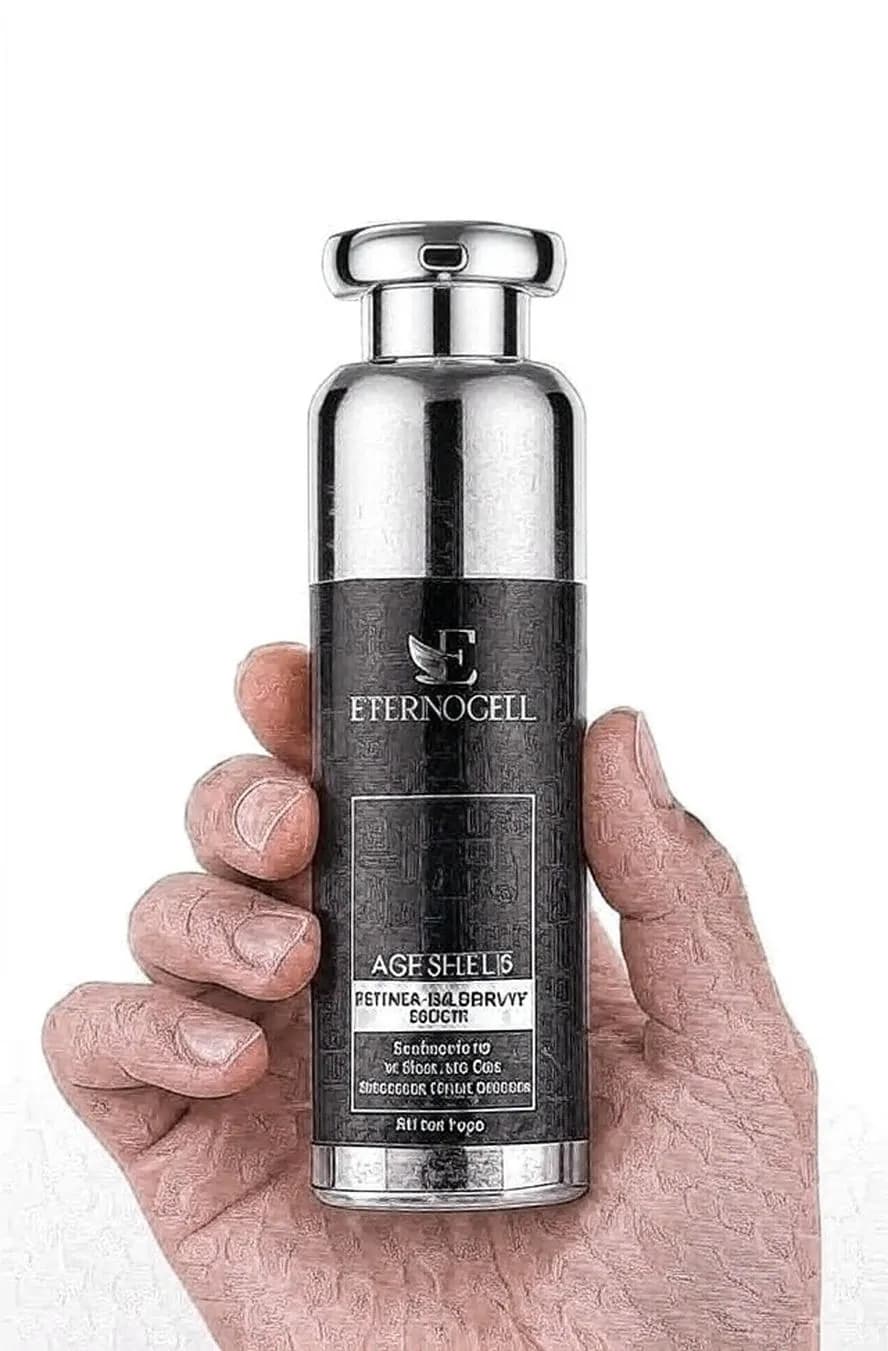
A serum is a lightweight product with a high concentration of actives such as antioxidants, hyaluronic acid or retinol, formulated to penetrate deep into the layers of the skin. Thanks to its fluid texture and quick absorption, it is ideal for the targeted treatment of skin concerns such as dark spots, fine lines, acne or a lack of moisture. With their potent formulas and fast results, serums hold a special place in the skincare routine. Using a serum before your moisturiser can enhance its effect and help improve the health and freshness of your skin.
Comparing the ingredients and properties of creams and serums
Skin creams are usually made from ingredients such as natural oils, waxes, emulsifiers and moisturising agents such as glycerin, which are designed to form a protective layer on the skin and preserve its moisture. They often contain nutrients such as vitamin E or plant extracts that help nourish the skin. Serums, by contrast, are formulated around concentrated active ingredients such as antioxidants (vitamin C, for example), treatment acids (such as hyaluronic acid or salicylic acid) and peptides. Serums usually contain a lower percentage of oils and heavy ingredients, and rather than protection, they focus on treating specific skin concerns.
The texture of these products and how they absorb into the skin
Skin creams have a thick, creamy texture that spreads gently over the skin and often leaves a lasting feeling of softness and moisture. This texture makes creams well suited to dry skin or skin exposed to environmental stressors, but they may feel a little heavy on oily skin. Serums, on the other hand, have a light, fluid, often almost liquid texture that is quickly absorbed. This allows serums to penetrate the deeper layers of the skin and deliver their actives effectively, without leaving a greasy or heavy feel.
The role of skin cream in moisturising and protection
As one of the cornerstones of the skincare routine, skin creams play a key role in moisturising and protection. By forming a protective layer on the skin, they prevent moisture from evaporating and protect the skin against environmental factors such as cold, wind or the sun's harmful rays. Ingredients such as glycerin, shea butter and natural oils in creams help keep the skin soft and supple. Skin creams are ideal especially for dry or sensitive skin and, with consistent use, can help strengthen the skin barrier and reduce superficial inflammation.
The benefits of serums for targeted treatment of skin concerns
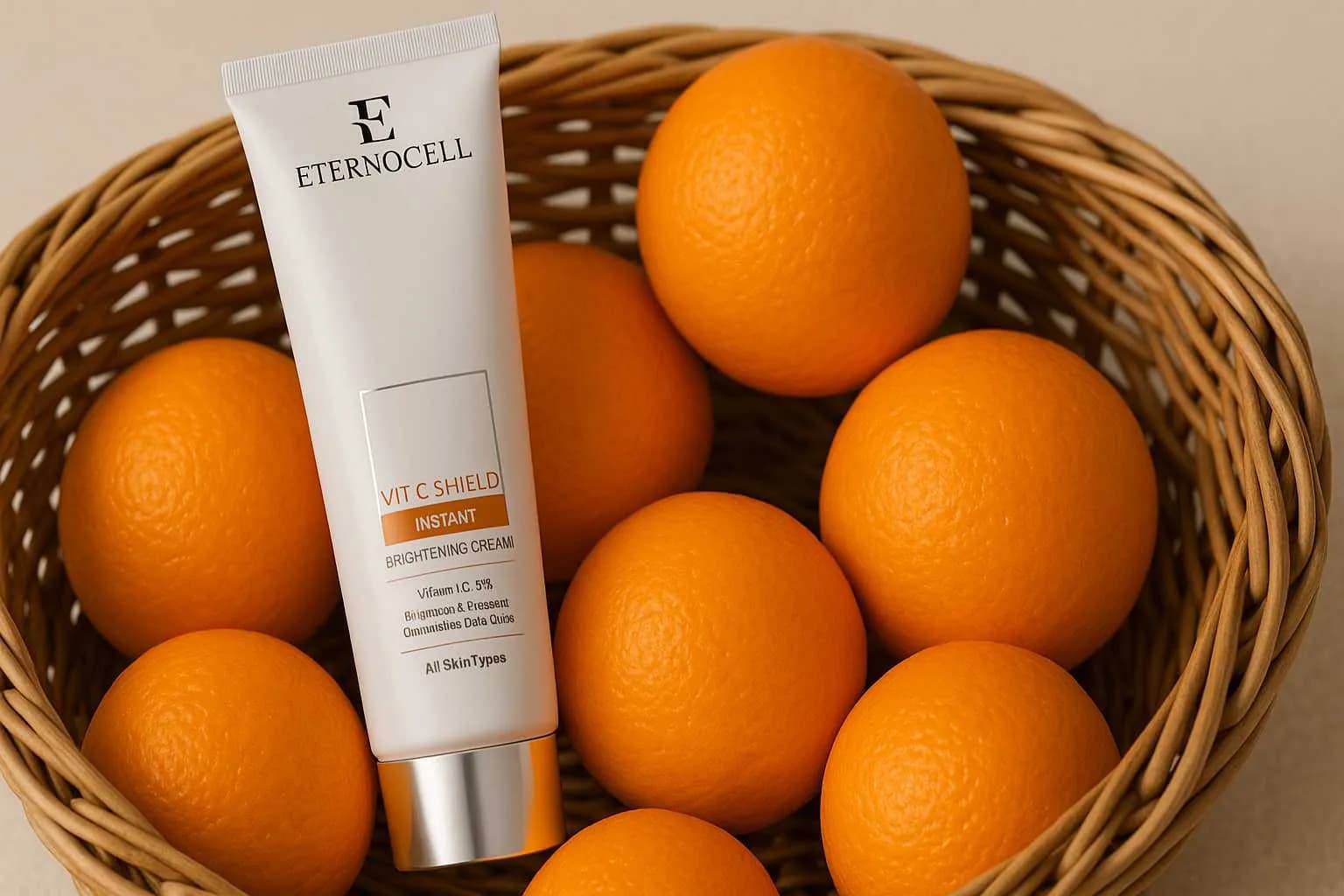
With their concentrated formulas rich in actives, serums are designed for the targeted treatment of skin concerns. By penetrating deep into the layers of the skin, they can effectively improve issues such as dark spots, fine lines, acne or dehydration. For example, serums containing vitamin C help brighten the skin and reduce dark spots, while serums containing retinol help reduce wrinkles and improve skin texture. Adding serums to your skincare routine is very effective, especially if you are looking for fast, specialised results.
Choosing the right product for your skin type
With their rich, moisturising texture, skin creams are an ideal choice for dry and sensitive skin. With ingredients such as shea butter, jojoba oil and glycerin, they provide the moisture the skin needs and prevent dryness, flaking or a feeling of tightness. For sensitive skin, creams with gentle formulas that are free of fragrance and irritating ingredients are recommended; they help soothe inflammation and strengthen the skin barrier. Daily use of moisturising or protective creams, especially in dry or cold weather, goes a long way towards keeping the skin soft and healthy.
Serums for oily or combination skin, or skin that needs targeted treatment
With their light, non-greasy texture, serums are very well suited to oily and combination skin and to anyone who needs targeted treatment. They absorb quickly and deliver actives to the skin without any feeling of heaviness. For oily or breakout-prone skin, serums containing niacinamide or salicylic acid can regulate oil and clear the pores.
For combination skin, hydrating serums, such as those containing hyaluronic acid, restore the moisture balance. Specialised serums for concerns such as dark spots, wrinkles or dullness also offer concentrated treatments that bring noticeable results. It is worth noting, however, that by creating cream gels for the skin with liposomal technology, Eternocell has been able to resolve this issue, and its products have become some of the most distinctive on the market.
A guide to using cream and serum correctly
To get the best results from your skincare routine, applying your products in the right order matters a great deal. First, cleanse your skin with a gentle cleanser to remove impurities and excess oil. Next, apply your serum as the first treatment product. Because of their light texture and high concentration of actives, serums should be applied to clean skin so that they absorb well.
Gently massage a small amount of serum (usually a few drops) into the skin of your face and neck. Once the serum has been fully absorbed, apply your cream as a moisturising and protective layer. This order ensures that the serum's actives penetrate the deeper layers of the skin and that the cream keeps moisture in the skin. During the day, applying sunscreen after your cream is essential.
Key tips for maximum effectiveness
To enjoy the full benefits of cream and serum, keep a few key points in mind. First, always use the right amount of product (a pea-sized amount of cream and a few drops of serum) so that your skin doesn't feel weighed down. Second, choose products according to your skin type and its needs; for example, retinol serums are better suited to night-time use, and rich moisturising creams to dry skin. Third, be patient, because some serums, such as those for dark spots or wrinkles, need consistent use over several weeks before they show noticeable results. Finally, store your products in a cool place away from direct sunlight to preserve their quality and effectiveness.
Conclusion
Skin creams and serums both play an important role in skincare, but the fundamental differences in their ingredients, texture and uses mean that the choice between them depends on your skin type and your particular needs. Focused on moisturising and protection, skin creams are an excellent choice for preserving the moisture and health of dry or sensitive skin. Serums, with their light, concentrated formulas, are ideal for the targeted treatment of skin concerns such as dark spots, wrinkles or acne, especially in oily or combination skin. By applying products in the right order (serum before cream) and choosing the right products, you can design an effective skincare routine that helps keep your skin fresh and healthy. For more, follow the Eternocell blog.