Your skin is a mirror of your health and beauty. We all look for products that can protect our skin as well as possible and keep it youthful and fresh. In recent years, there have been remarkable advances in cosmetics and personal care. One of these is the use of liposome technology, which has brought about a remarkable transformation in the industry. Liposomes are tiny, microscopic bubbles that can carry active ingredients deep into the skin and greatly increase their effectiveness. In this article we take a close look at liposome technology, its benefits for the skin and its applications in cosmetic products. Read on to discover the secret of youthful, radiant skin with liposome technology.
What is a liposome?
Liposomes are tiny, microscopic bubbles made of one or more layers of phospholipids. Phospholipids are molecules with one water-loving (hydrophilic) end and one water-repelling (hydrophobic) end. Because of this, in a watery environment they assemble spontaneously into spherical structures called liposomes. The inside of a liposome is an aqueous space that can be used to carry various substances, such as drugs, vitamins and antioxidants. Their structural similarity to cell membranes has led to liposomes being recognised as highly efficient carriers for delivering substances to cells.
A history of liposomes
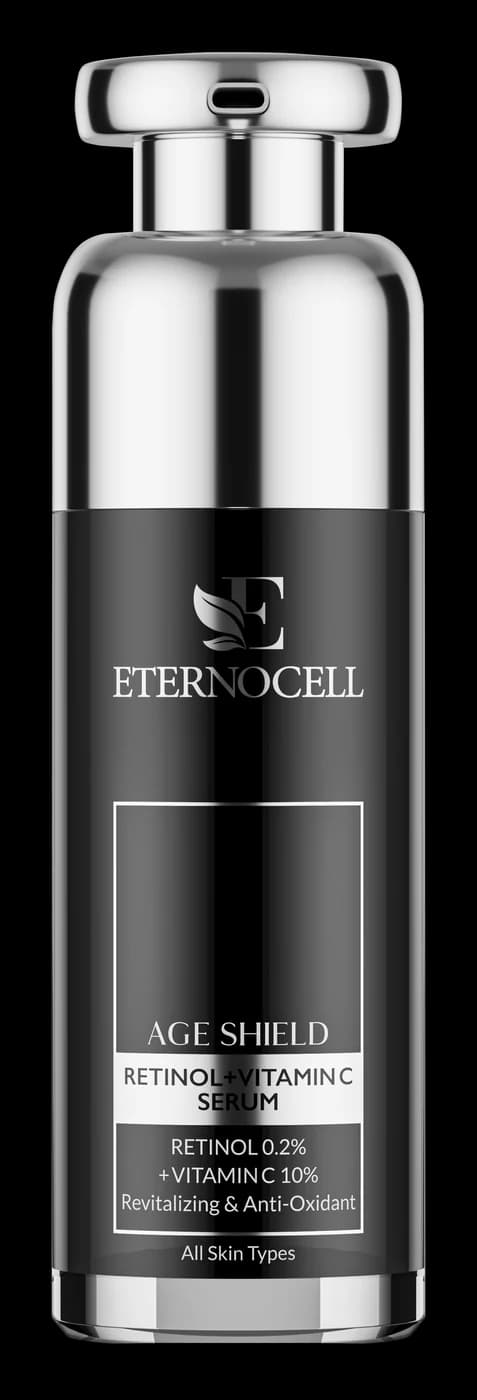
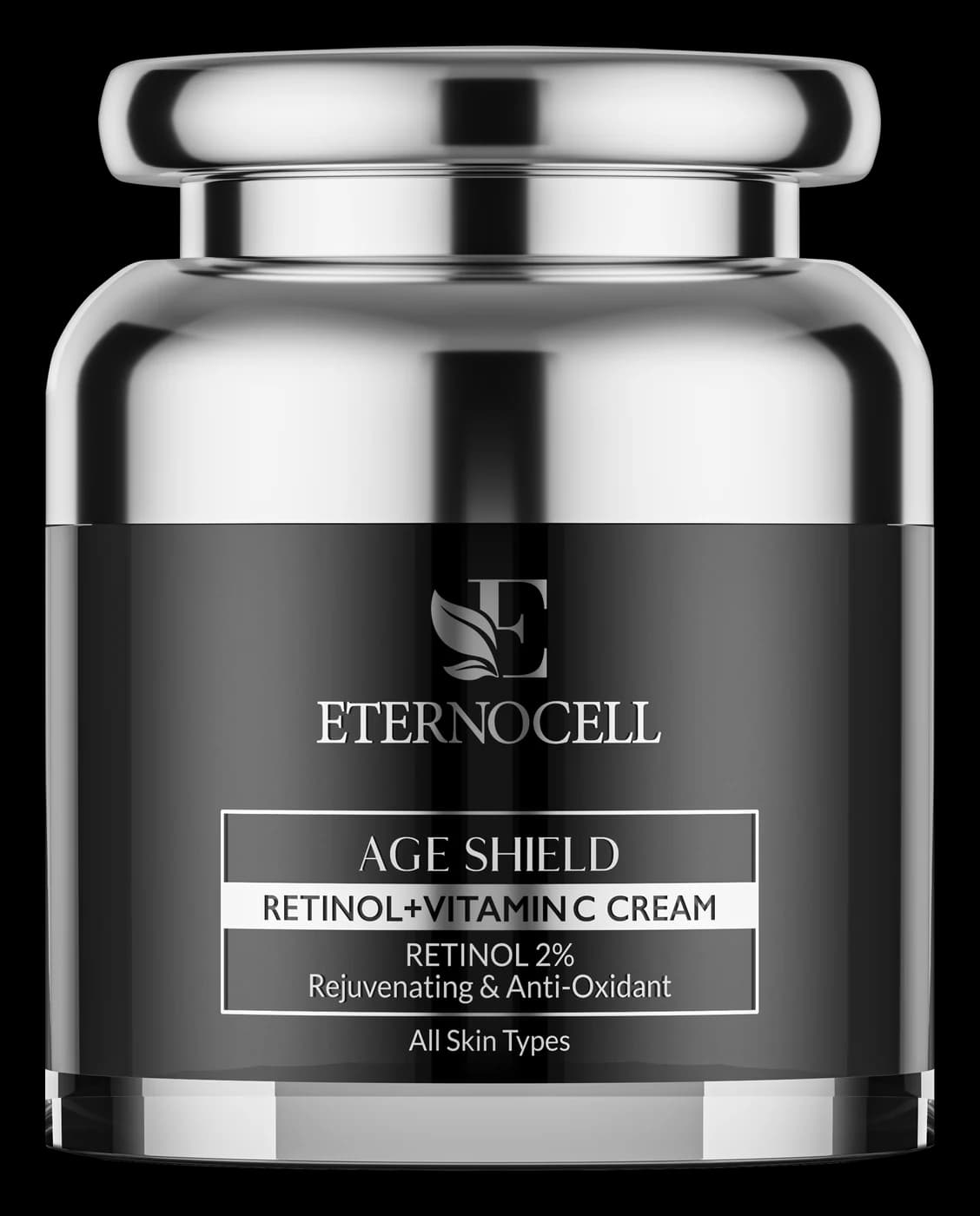
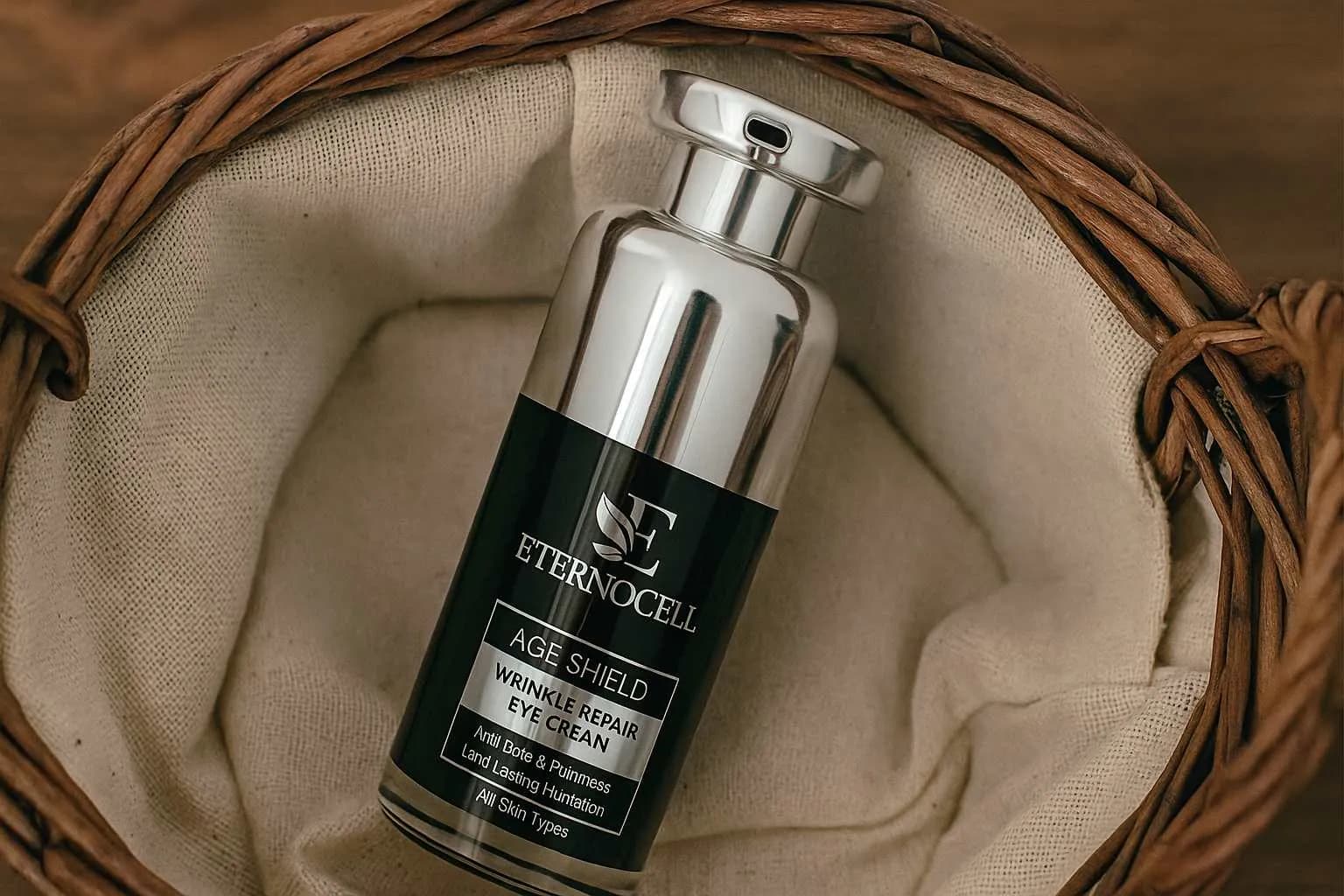
The history of liposomes dates back to the 1960s, when scientists discovered that phospholipids spontaneously form spherical structures in water. This discovery led to extensive research into liposomes and their applications. At first, liposomes were used mainly in biological and medical studies. Over time, and with advances in technology, their use expanded, and today they are used in a range of industries, including pharmaceuticals, cosmetics and personal care, and agriculture. Over the past decade, through research and technological development, the Eternocell brand has not only developed this technology locally but also become the first brand in Iran to use liposomal technology in its products.
Types of liposomes
Liposomes are classified into different types according to their size, the number of their layers and the type of phospholipids they are made of.
- Unilamellar vesicles: these liposomes have only one phospholipid layer and usually measure between 25 and 250 nanometres. Because of their small size, unilamellar liposomes are highly permeable and are quickly absorbed by cells.
- Multilamellar vesicles: these liposomes have several phospholipid layers and are larger than unilamellar liposomes. Multilamellar liposomes can carry more material, but they are less permeable.
- Large unilamellar vesicles: these liposomes have a single phospholipid layer but are larger than ordinary unilamellar liposomes. Large unilamellar liposomes are suitable for carrying substances with a high molecular weight.
Liposomes are also classified into different types according to the phospholipids they are made of. The choice of liposome depends on the intended application. For example, liposomes containing phospholipids with long hydrocarbon chains are used to deliver hydrophobic drugs.
Liposomal technology and its role in cosmetics and personal care
Skincare products are more effective when their active ingredients can penetrate the deeper layers of the skin and act directly on the target area. By harnessing advanced liposomal technology, Eternocell offers a scientific and efficient way to raise the quality and effectiveness of its products.
In this method, each active ingredient is placed inside microscopic capsules called liposomes. Liposomes are small spherical particles made of one or more lipid bilayers that can carry active ingredients within them. This structure allows them to protect sensitive ingredients from external factors and to increase their stability.
By encapsulating retinol and vitamin C in separate liposomes, both ingredients can be present in a single formula without interfering with each other. This separation not only prevents unwanted reactions between them but also protects them from oxidation and loss of effectiveness. In addition, liposomes act as biocompatible carriers and help deliver active ingredients more effectively to the deeper layers of the skin.
The benefits of liposomal technology in skincare products
- Greater penetration: active ingredients encapsulated in liposomes pass easily through the epidermal barrier and reach their target areas.
- Protection of active ingredients: liposomes protect ingredients that are sensitive to environmental factors such as light, oxygen and heat.
- Fewer side effects: this technology minimises the risk of skin irritation or sensitivity, because phospholipids are natural and merge with the cell membrane.
- Controlled release: active ingredients are released gradually and remain effective for longer.
Applications and benefits in skincare products
- Anti-ageing: liposomal technology is used to deliver antioxidants such as resveratrol and vitamin C to the dermis, helping to reduce wrinkles and rejuvenate the skin.
- Deep hydration: with the help of this technology, ingredients such as hyaluronic acid penetrate the deeper layers of the skin and provide effective hydration.
- Treating skin conditions: liposomes are used to deliver medicines to the skin in the treatment of conditions such as dermatitis and psoriasis.
Conclusion
Liposomes act as effective carriers for delivering active ingredients deep into the skin and bring numerous benefits, including greater penetration, protection of active ingredients, reduced sensitivity and improved skin texture.
The use of liposomes in skincare has helped to create products that are more effective and safer. This technology allows manufacturers to design more sophisticated and effective formulas that meet the skin's varied needs.
In the future, liposome technology is expected to keep advancing and to find wider applications across various industries. With further research and the development of new technologies, it will be possible to create liposomes with greater efficiency and tailored properties that will help improve people's lives.