The skin around the eyes is one of the thinnest and most delicate areas of the face, and it is where the first signs of ageing and tiredness appear. This area is also more exposed than any other to damaging factors such as sunlight, environmental pollution and hormonal changes. Women over 30 usually notice more visible changes in the skin around their eyes and become more sensitive about this area; in this article, we look at how to choose the best eye cream for women over 30.
Why use an eye cream?
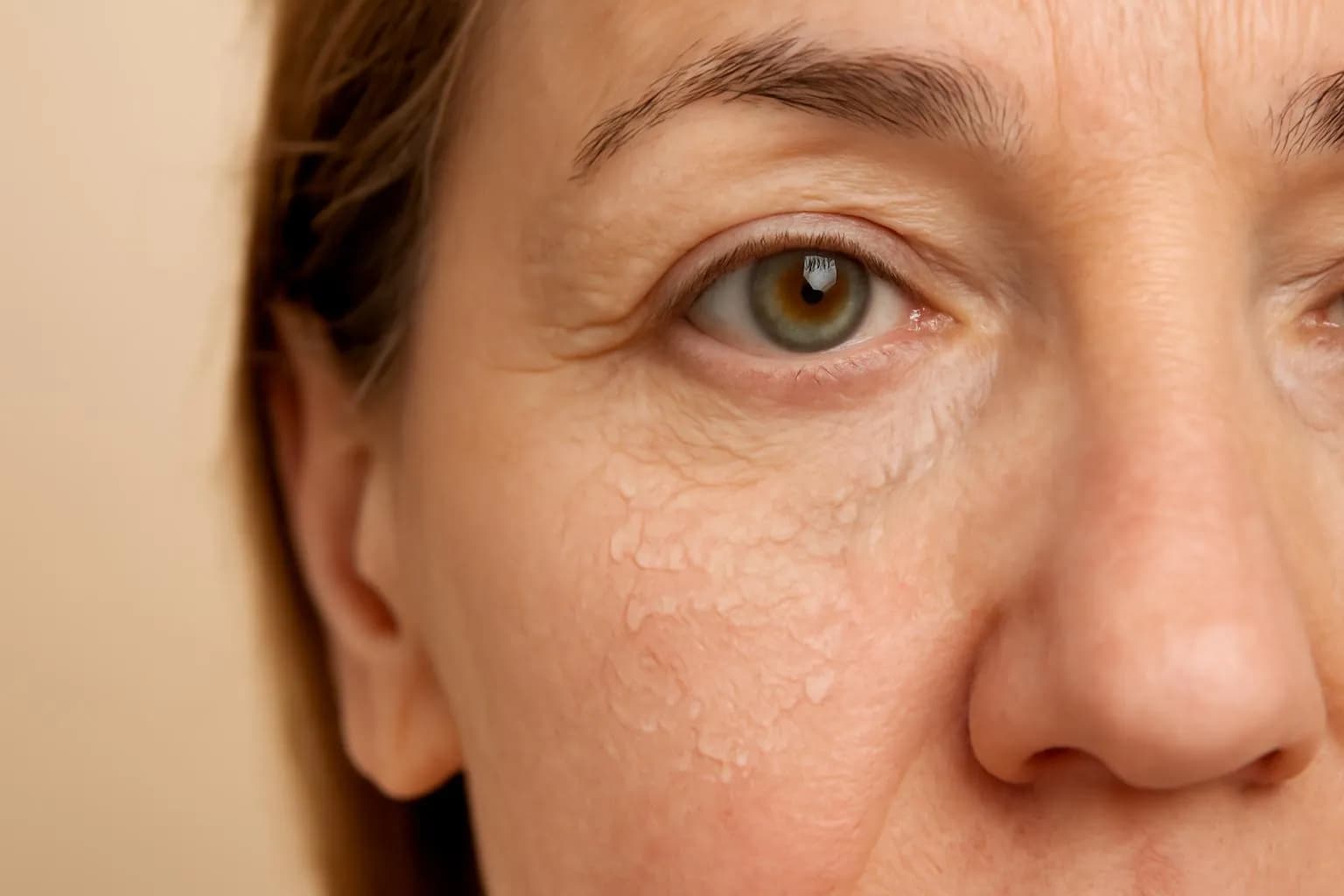
The reality is that, because it is thin, constantly moving and exposed to environmental factors, the eye area is more prone to damage and premature ageing than other parts of the face. There are fewer oil glands here and circulation is weaker, so dryness, darkness and wrinkles appear earlier and more markedly.
For women over 30 in particular, who are usually beginning to see the first signs of skin ageing, an eye cream is not only a matter of appearance but an essential part of care. The main benefits of an eye cream are that these products can help to reduce puffiness, brighten dark circles and prevent deep wrinkles.
Below, we look at two key factors that make clear why this product matters.
How the skin around the eyes differs from other areas
The skin around the eyes is one of the thinnest and most delicate tissues in the body. It is roughly 40 per cent thinner than the rest of the face and lacks enough oil glands to protect itself naturally against dryness or damaging factors. In addition, the repeated movement of the eyelids and eyes throughout the day keeps this area under constant mechanical strain.
Because of these characteristics, the skin around the eyes is prone to early wrinkles and sagging. Using ordinary face creams here can also cause irritation, milia or even an allergic reaction. This is why a dedicated eye cream with a light texture, free from strong fragrances and formulated for this area, is recommended.
How age, stress and pollution affect this area
As we age, cell renewal slows and the production of collagen and elastin, the main sources of the skin's firmness and suppleness, declines. On the delicate skin around the eyes, this shows up as fine lines, wrinkles, darkness and puffiness. Environmental factors such as air pollution, sunlight, work or personal stress and lack of sleep intensify these effects.
Women over 30, especially those with busy, high-pressure lives, often notice changes around the eyes sooner. Creams containing ingredients such as caffeine (to reduce puffiness), vitamin C (to brighten) and peptides (to repair) can considerably reduce the effects of these factors and bring freshness back to the skin.
What to look for when choosing an eye cream
Choosing an effective eye cream requires a clear understanding of your skin and your own priorities. Contrary to what general advertising suggests, no product suits everyone; several factors, such as skin type, age and common eye-area concerns like dark circles, puffiness or wrinkles, need to be considered carefully.
For women over 30, it is especially important to choose a cream that can both prevent new wrinkles and reduce the first signs of ageing. At this age, the skin begins to lose collagen gradually, and its need for hydration and cell renewal increases.
The texture of the cream matters too: products with a light, fast-absorbing texture that don't feel greasy or heavy are better suited to the delicate eye area. It is also advisable to check the list of active ingredients before you buy and to avoid creams that are merely fragranced or decorative.
Consider your skin type and age
When choosing an eye cream, two key factors, skin type and age range, play a decisive role. Dry skin usually wrinkles earlier and needs moisturising, nourishing ingredients such as hyaluronic acid or plant oils. Oily or combination skin, on the other hand, may be prone to milia (tiny white bumps) and is better suited to creams with a light gel texture.
For sensitive skin, products free from fragrance and alcohol are the best choice, to avoid inflammation or skin reactions.
In terms of age, women under 30 usually need preventive products that hydrate and ease signs of tiredness. From 30 onwards, however, creams with gentle anti-wrinkle ingredients such as peptides or niacinamide are recommended.
From your forties onwards, stronger ingredients such as retinol and caffeine (to reduce wrinkles and puffiness) become more of a priority.
Understanding common concerns: dark circles, puffiness and wrinkles
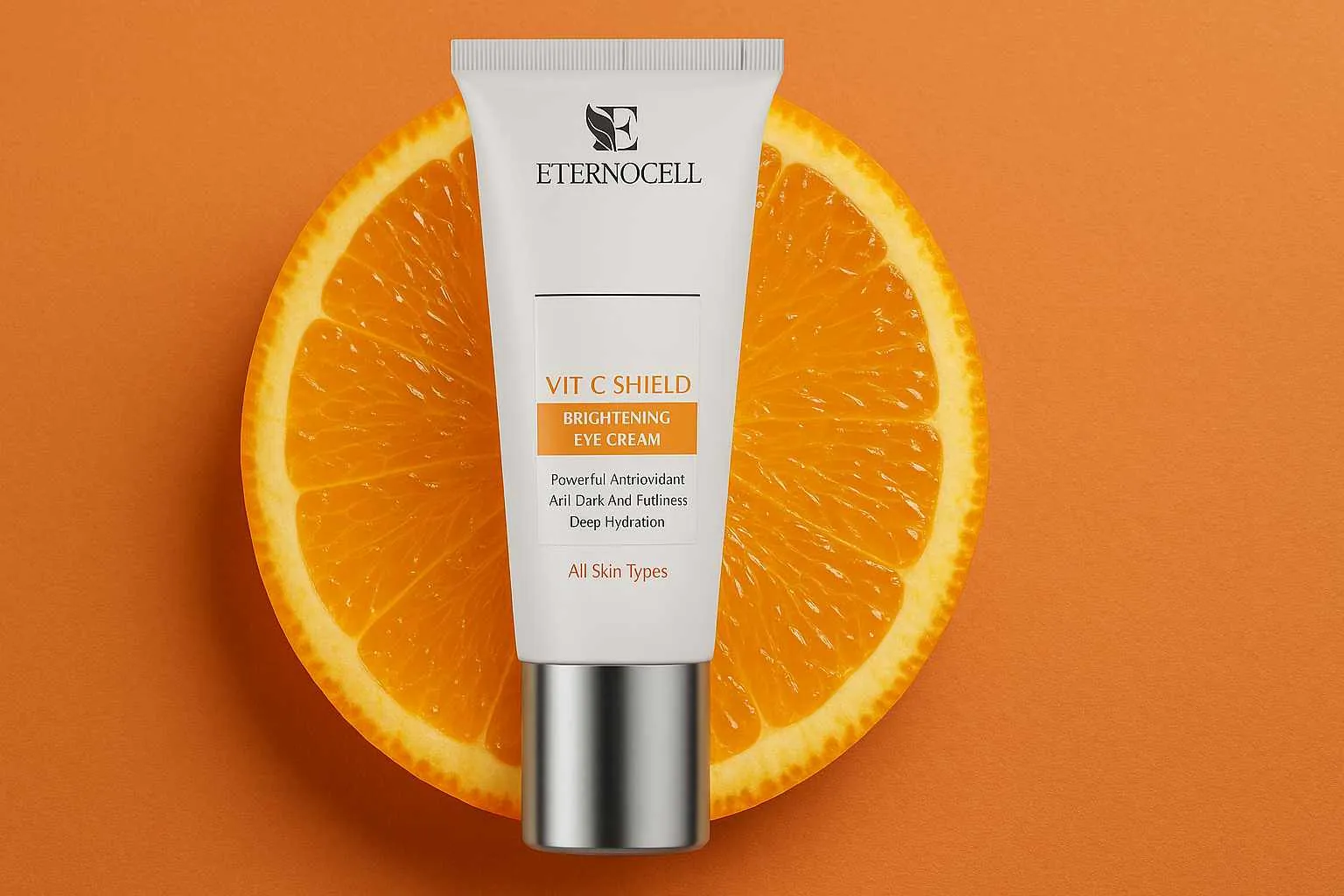
Another important factor in choosing an eye cream is knowing exactly what your skin concern is. Dark circles, often caused by genetics, lack of sleep or poor circulation, can be improved with brightening ingredients such as vitamin C, niacinamide and caffeine. If your concern is puffiness and swelling, look for creams with an anti-inflammatory effect that help to drain excess fluid. Ingredients such as green tea, cucumber and chamomile can be helpful here.
For wrinkles, it is important to look for anti-ageing ingredients. Creams with peptides, retinol, hyaluronic acid and Q10 can support cell renewal and reduce the depth of lines. So, to get the result you want, choose your eye cream according to your main concern, not simply by brand or packaging.
Key ingredients in creams suited to women over 30
Once you pass 30, the skin gradually loses its elasticity and the first signs of ageing, such as fine lines, darkness and under-eye puffiness, begin to appear. At this stage, choosing an eye cream with targeted, effective ingredients plays a very important role in reducing or delaying these changes.
Creams for this age group should be formulated not only to hydrate but also to support cell renewal, stimulate collagen production and calm skin inflammation.
Below, we introduce and explain the most common effective ingredients in creams suited to women over 30: ingredients whose presence on a product's ingredient list can signal real performance rather than mere marketing.
Retinol, hyaluronic acid, vitamin C
Retinol is one of the best-known derivatives of vitamin A and a key ingredient for tackling wrinkles and fine lines. By increasing cell turnover and stimulating collagen production, it plays an effective role in renewing the skin around the eyes. It should, however, be used at a suitable concentration and in a gentle formulation designed for the eye area, so that it does not cause irritation.
Hyaluronic acid is a powerful hydrating ingredient that can absorb many times its own weight in water, so the skin around the eyes looks hydrated from within and plumper; this makes fine lines less visible.
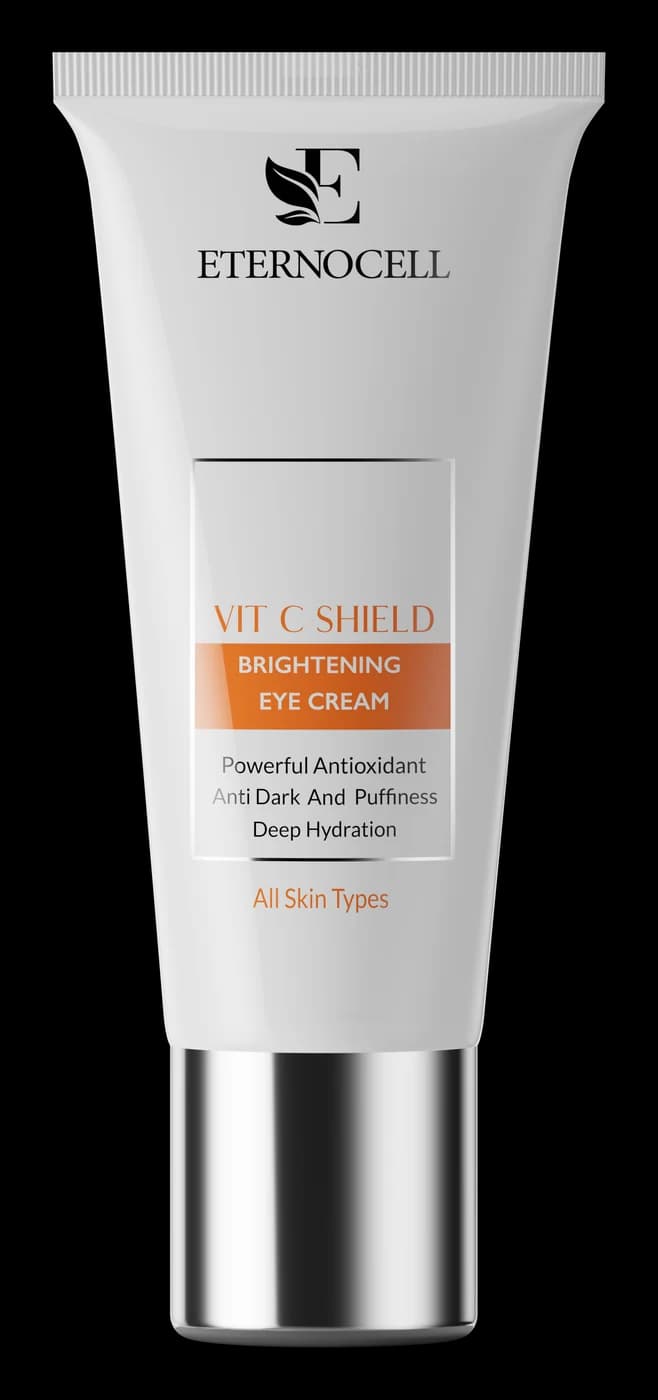
Vitamin C, a powerful antioxidant, is also very effective at reducing darkness, fighting free radicals and brightening the eye area. Together, these three ingredients can make a complete cream for women over 30, one that is anti-wrinkle, anti-darkness and hydrating at the same time.
Anti-wrinkle eye cream gel: the best eye cream for women over 30
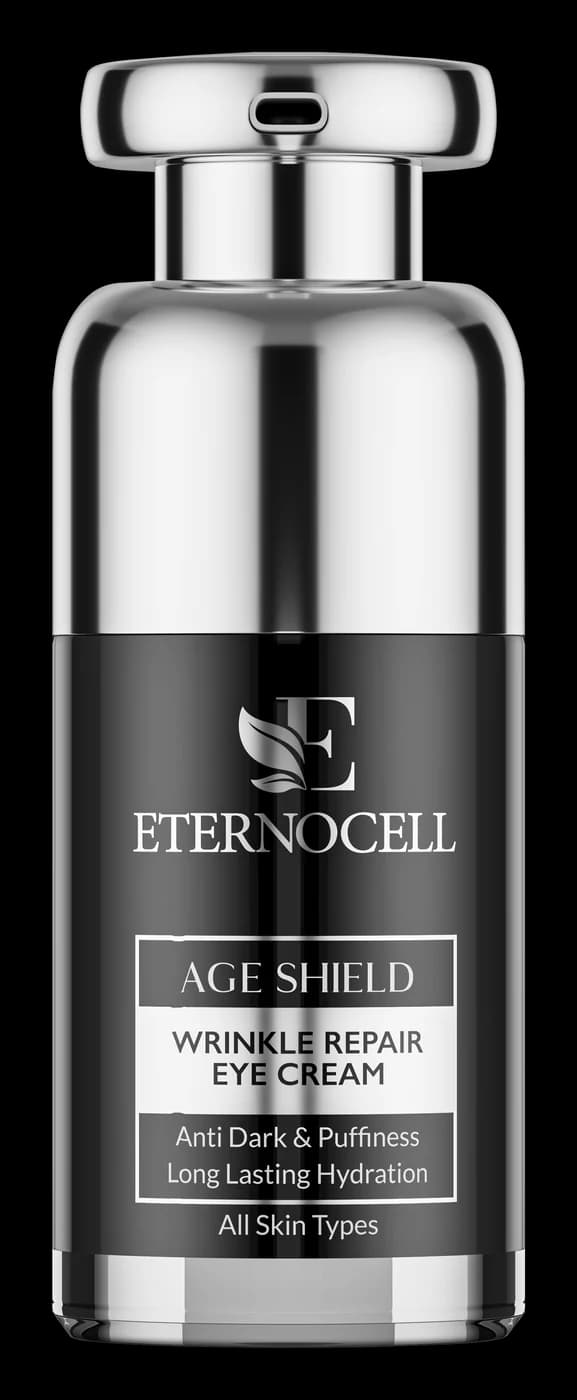
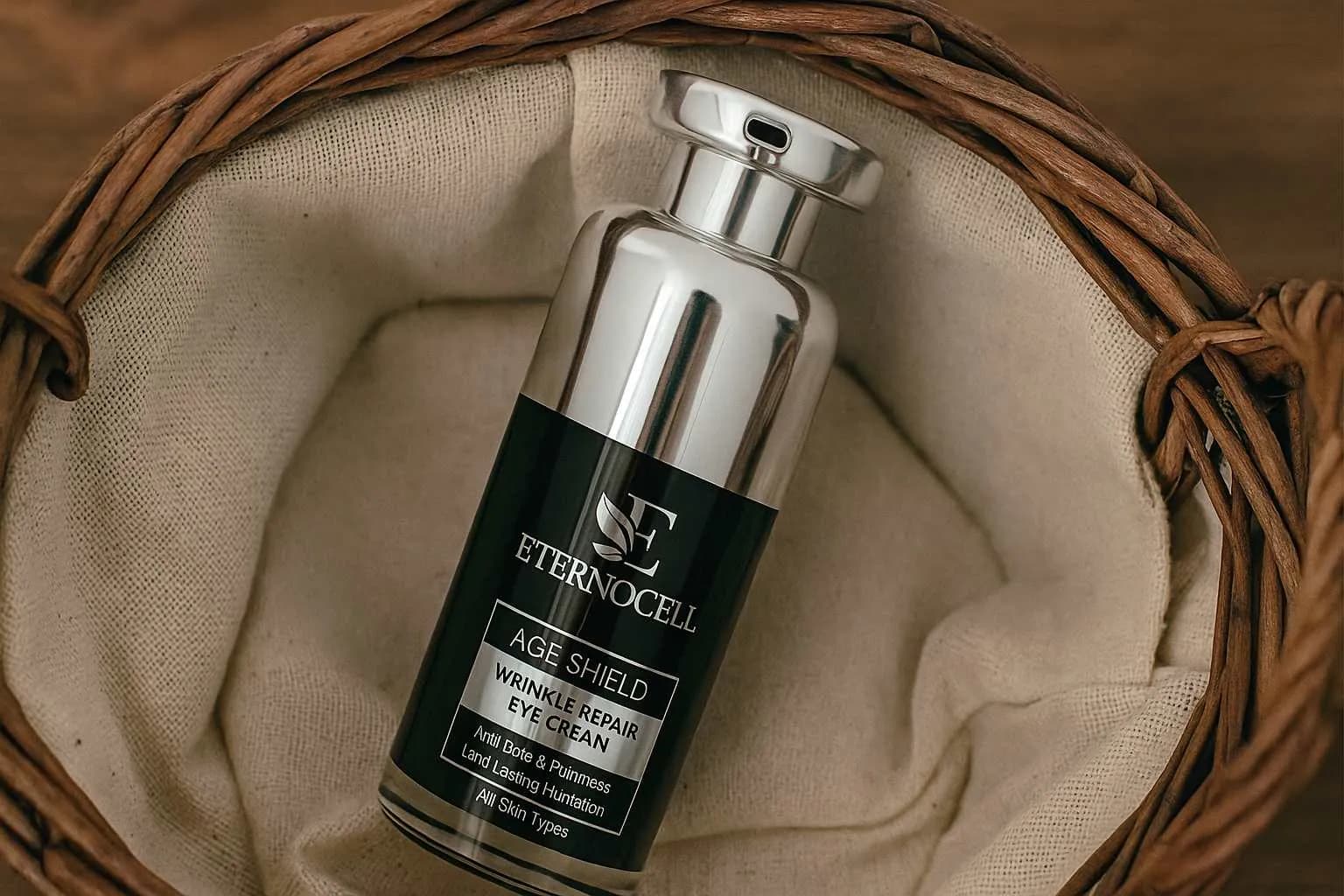
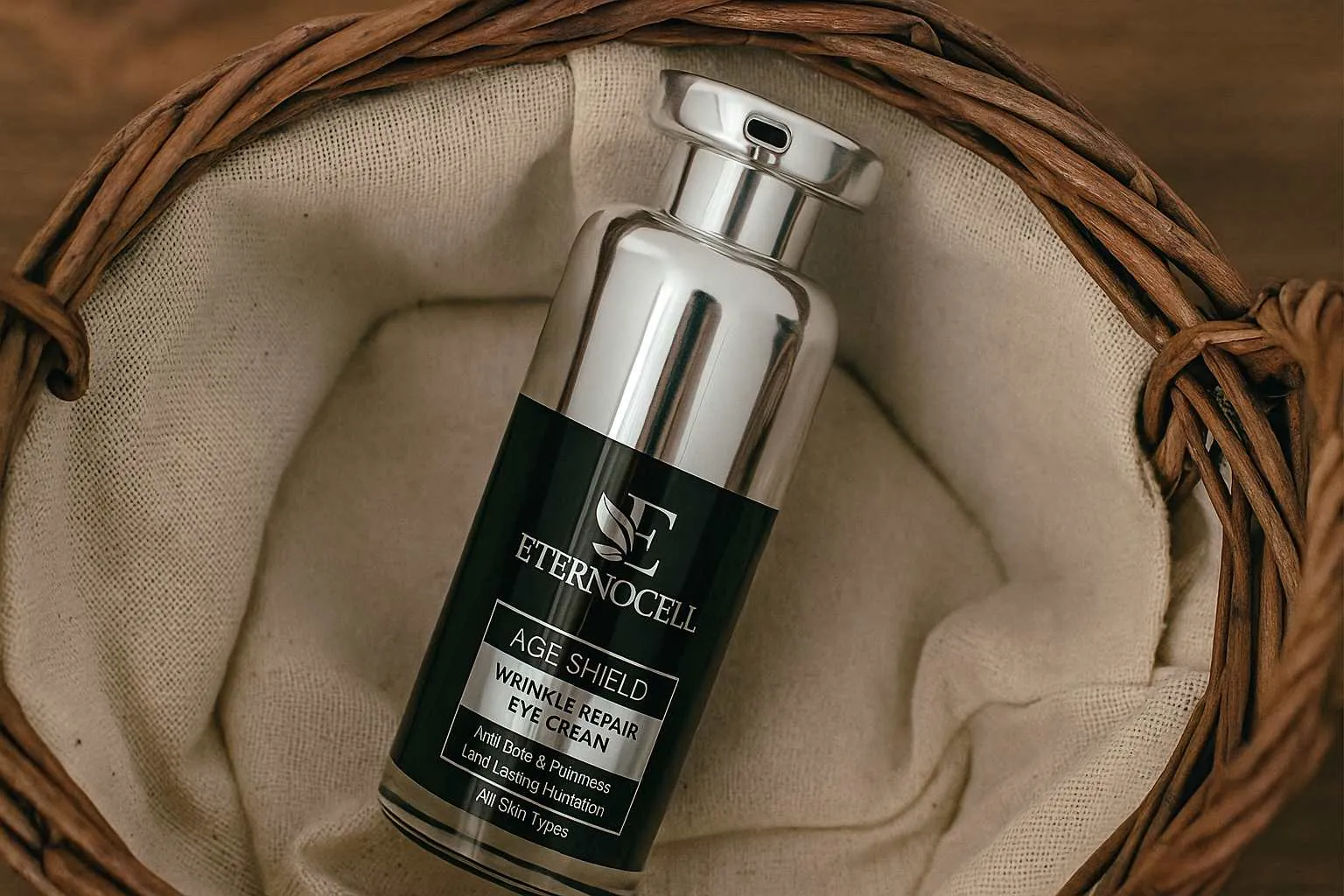
The skin around the eyes is one of the thinnest and most delicate areas of the face and shows signs of ageing and collagen loss earlier than other areas. Eternocell's Age Shield Wrinkle Repair Eye Cream, with an advanced formulation that reaches the deeper layers of the skin, increases collagen production and supports circulation in this area. With ingredients such as bitter almond oil, vitamin E and essential fatty acids, it provides lasting hydration and antioxidant benefits while helping to reduce wrinkles, improve darkness and relieve tiredness around the eyes, keeping the skin in this area fresh and youthful.
Caffeine and plant ingredients against puffiness and inflammation
Caffeine is one of the most popular ingredients in eye creams; by stimulating capillary circulation, it helps to reduce under-eye puffiness and swelling. It is particularly effective for people who wake up with swollen eyes in the morning.
Alongside caffeine, plant ingredients such as green tea extract, chamomile, cucumber and aloe vera also help to reduce inflammation and redness in the delicate eye area, thanks to their anti-inflammatory, soothing and cooling properties.
A cream that brings these ingredients together can soothe, reduce puffiness and protect at the same time, making it an excellent choice for daily use, particularly in busy, stressful city environments. This is why many anti-puffiness eye creams combine caffeine with plant extracts.
The most common mistakes in buying and using eye cream
Although many people now understand the importance of caring for the skin around the eyes, in practice there are common mistakes in buying or using eye creams that not only reduce a product's effectiveness but can sometimes make problems such as dryness, darkness or puffiness around the eyes worse.
These mistakes may stem from misleading advertising, not knowing what the skin really needs, or using the product incorrectly. For example, many people assume that ordinary face creams can be used around the eyes, or that using more product will bring faster results.
Below, we look at three common mistakes; avoiding them can play an important part in making your eye cream more effective and preventing side effects.
Incorrect or excessive use
One of the most common mistakes is using too much eye cream. Many people think that the more they apply, the greater the effect. But this is not so: the skin around the eyes can absorb only a limited amount of active ingredients at a time, and applying more not only brings no benefit but may cause milia (tiny white bumps) or a feeling of heaviness in the area.
Some people also apply the cream too close to the lash line or even on the upper eyelid, which can cause irritation or redness, or let the cream get into the eye. The right amount is the size of a small lentil for each eye, spread gently with light taps over the bone around the eye.
Using an unsuitable or unhygienic product
The second common mistake is choosing a product that was not designed for the skin around the eyes. Using facial moisturisers or anti-wrinkle creams around the eyes can cause irritation, dryness or even allergic reactions. The skin here is far more delicate, and only a specialist eye cream with a light texture and a non-irritating formulation should be used.
How you apply it matters too. Using your index finger or a fingernail to apply the cream not only puts too much pressure on the skin but also increases the risk of transferring dirt and bacteria. The best method is to use your ring finger with very gentle, outward taps. Good hygiene in storing the product (for example, closing the tube straight after use) also helps to prevent contamination.
Summary and final advice
Caring for the skin around the eyes, especially after 30, is one of the key steps in keeping the face youthful and fresh. At this age, the skin gradually loses moisture and elasticity, and signs such as fine wrinkles, darkness and puffiness become more visible. For this reason, choosing and regularly using an eye cream suited to your skin type and personal needs is not just a preventive measure but an essential part of your skincare routine.
Throughout this guide, we have shared points that can help you understand your skin's characteristics, avoid common mistakes in choosing or using eye cream, and make proper use of effective ingredients such as retinol, hyaluronic acid, vitamin C, caffeine and plant extracts.
Our final advice to women over 30 is this: to keep the eye area fresh, make careful, informed decisions rather than quick or purely advertising-led choices. Using eye cream consistently, correctly and in the right amount, alongside enough sleep, a healthy diet and protection from the sun, is an effective combination for a younger-looking gaze and healthier skin. For more on skincare, stay with Eternocell.