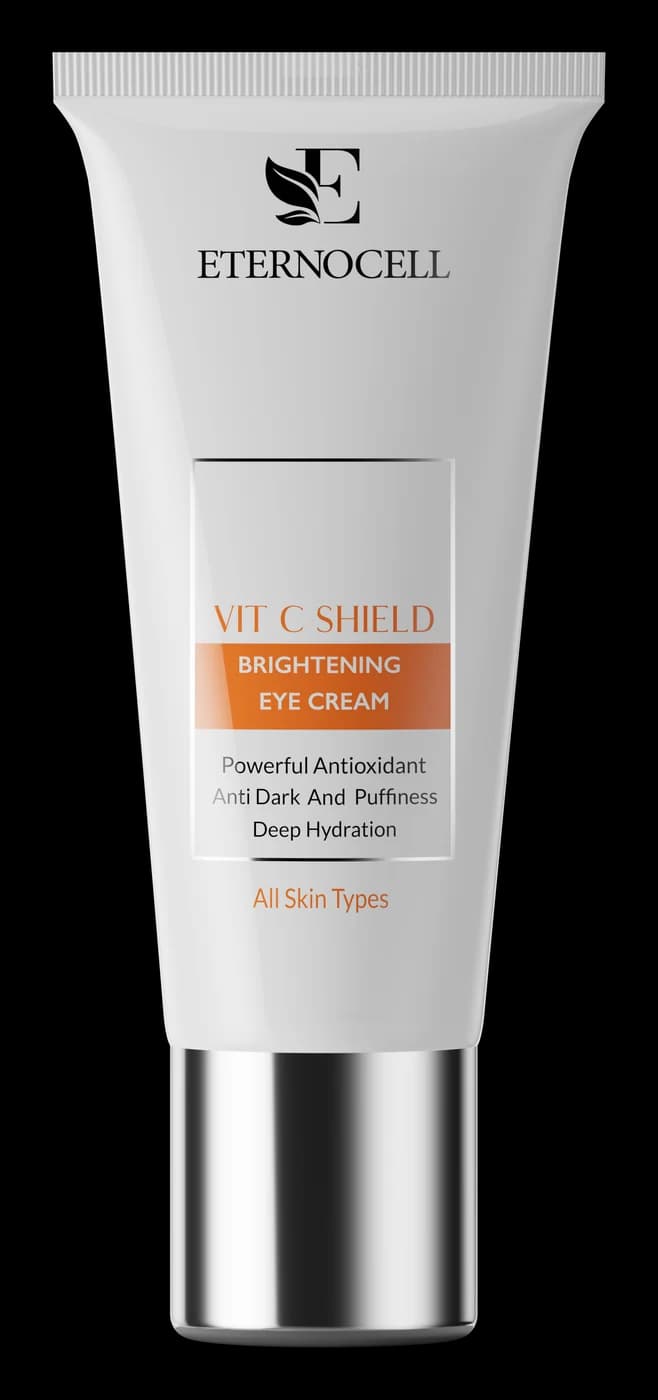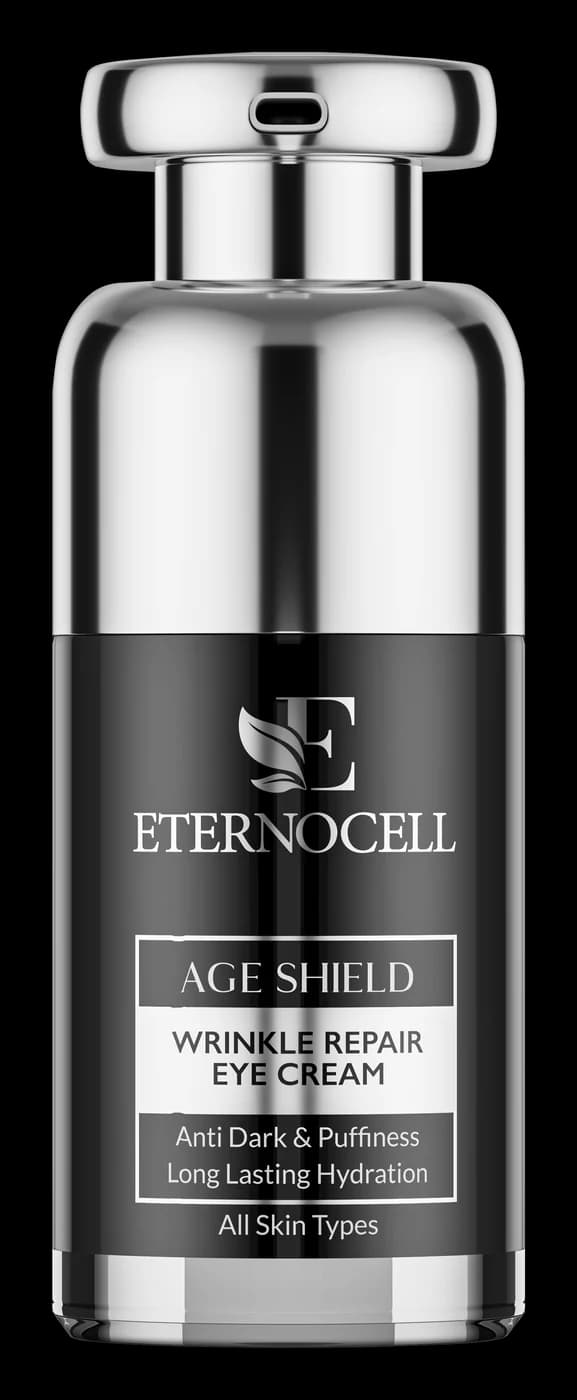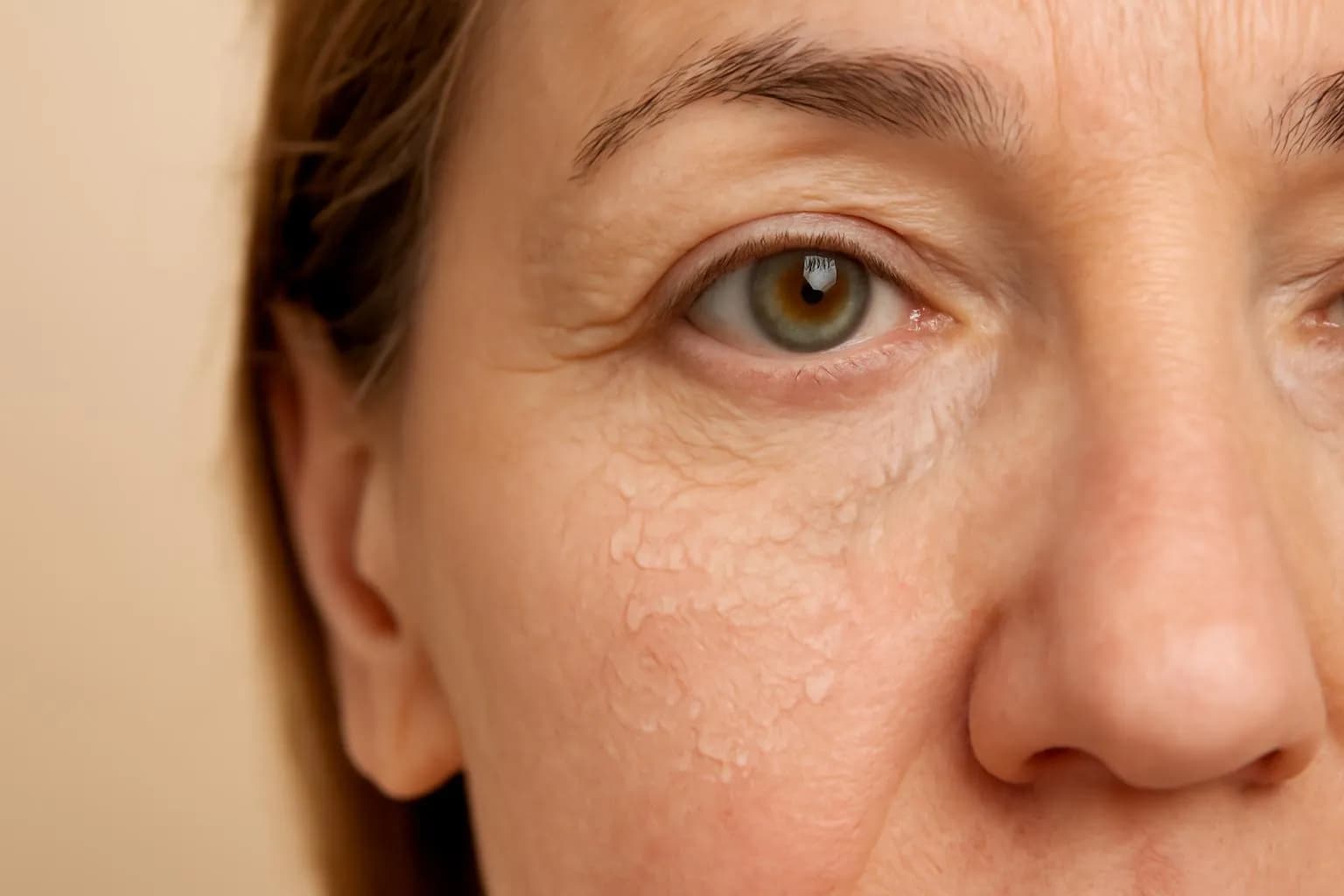
The skin around the eyes is among the thinnest and most delicate skin on the face, and it shows signs of ageing, dryness, darkness or puffiness sooner than other areas. As we age, collagen production falls and the skin becomes less able to hold on to moisture, so this area needs special care. The right eye cream can therefore make a marked difference in keeping your face fresh, youthful and radiant. But simply choosing a well-known or expensive brand is not enough; what really matters is what the eye cream contains.
Knowing these ingredients and how they work helps you choose a product that better matches your skin's needs. In this article we look at the most important effective ingredients in eye creams and offer guidance on choosing the right option for every skin type.
Why do eye cream ingredients matter?
Because it is thin and has few oil glands, the skin around the eyes is more prone to dryness, wrinkles and signs of premature ageing than other areas of the face. That is why eye creams should contain ingredients suited precisely to the particular needs of this area. Every active ingredient in a cream has a specific role in improving the look of the skin: some moisturise, some have an anti-wrinkle effect and others reduce puffiness or darkness. Choosing the right formula not only makes a product more effective but also helps prevent sensitivity and irritation. Understanding what goes into an eye cream is therefore an essential step towards an informed choice and better results.
Common, effective eye cream ingredients
The main benefits of an eye cream come from its ingredients. They are what make a cream effective at reducing wrinkles, darkness, puffiness and other common concerns in this area. Contrary to popular belief, the brand or price of a product does not determine its quality on its own; it is ingredients such as hyaluronic acid, retinol, vitamin C, peptides, caffeine and niacinamide that deliver real results. Each works differently: some help hydrate, while others support collagen production or fight free radicals.
The right, well-balanced combination of these ingredients can also give better results than a single ingredient used on its own. Choosing carefully, according to the particular needs of the skin around your eyes, can make a noticeable difference to how this area looks and how healthy it is. Below, you can learn more about six common, proven ingredients.
Hyaluronic acid
Hyaluronic acid is one of the most effective hydrating ingredients in skincare. With its great capacity to attract moisture, this naturally occurring substance helps keep the skin around the eyes soft and smooth. Because the skin here is prone to dryness, hyaluronic acid in an eye cream prevents lines caused by dehydration and gives the under-eye area a plumper, fresher look. It is safe and effective for most skin types, including sensitive skin.
Retinol
Retinol is a derivative of vitamin A and one of the most powerful anti-ageing ingredients. By stimulating collagen production and speeding up cell renewal, it helps reduce wrinkles around the eyes and improve the skin's texture. However, retinol should be used on the delicate eye area with care and at a suitable concentration to avoid inflammation or dryness. Used regularly and in a controlled way, creams with retinol can produce noticeable results in reducing the signs of ageing over the long term.
Vitamin C
Vitamin C is a powerful antioxidant that plays an important part in brightening the skin and fighting damage caused by free radicals. In eye creams, it helps reduce darkness, hollowness and discolouration caused by sun or fatigue. By stimulating collagen synthesis, it also improves the skin's firmness and reduces fine lines. Stable, gentle forms of vitamin C are better suited to the delicate skin around the eyes.

Peptides
Peptides are chains of amino acids that send signals to skin cells to stimulate the production of collagen and elastin. Creams with peptides can help strengthen the structure of the skin around the eyes, make it firmer and reduce fine lines. Peptides are usually combined with other ingredients, such as antioxidants or moisturisers, so that they act on the skin in several ways at once.
Caffeine
In eye creams, caffeine is known as an effective ingredient for reducing puffiness and swelling. By constricting the blood vessels near the surface, it helps reduce inflammation and improve a tired look under the eyes. Using a cream with caffeine, especially in the morning or after a short night's sleep, can temporarily reduce puffiness and darkness. Its effect, however, is usually short-lived and complements other care ingredients.
Niacinamide (vitamin B3)
Niacinamide is a multitasking ingredient with anti-inflammatory and gently brightening properties. It can help even out skin tone, reduce dark spots and improve the skin's barrier. Around the eyes, niacinamide improves darkness, makes the skin softer and reduces its tendency to irritation. It is a safe, beneficial choice for all skin types, even sensitive skin and skin prone to redness.
Ingredients to avoid
Just as beneficial ingredients can make a considerable difference to the skin around the eyes, some ingredients can harm this delicate area. The skin around the eyes is very thin and easily irritated, so creams containing irritating or drying ingredients are best avoided.
One such ingredient is drying alcohols, such as denatured alcohol, which may feel light at first but over time dry out the skin and damage its protective barrier. Fragrances (listed as Fragrance or Parfum), especially synthetic scents, can also cause irritation, stinging or even allergic reactions.
Other ingredients best kept away from the eye area include strong preservatives such as formaldehyde and its derivatives, which, although rarer, are still found in some products. So before you buy, always read the ingredients on the product label carefully and avoid products that contain potentially harmful ingredients.
Summary and final advice
When caring for the delicate skin around the eyes, knowing what goes into your creams is essential. As we have seen in this article, ingredients such as hyaluronic acid, retinol, vitamin C, peptides, caffeine and niacinamide are among those that effectively improve hydration and reduce wrinkles, darkness and puffiness around the eyes. Avoiding irritants such as drying alcohols, strong fragrances or harsh preservatives, on the other hand, can protect this area from damage.
The key point is that choosing an eye cream should not rest on brand or advertising alone, but on a clear understanding of your skin's needs and the active ingredients in the product. A smart choice can help keep your skin healthy and also give you a fresher, more youthful look. For more beauty and skincare tips, follow the Eternocell journal.