Retinol, one of the brightest stars in the world of skincare, is recognised as one of the most effective anti-ageing ingredients. But what exactly is retinol, and how can it help rejuvenate the skin? In this article we take a comprehensive look at retinol: from how it works in the skin to its exceptional benefits and the important points you should know before using it, you will find it all here. Read on to discover the secrets of youthful skin with the help of retinol.
Retinol is a derivative of vitamin A that, thanks to its anti-ageing and restorative properties, has become one of the most popular ingredients in skincare products. It penetrates deep into the layers of the skin and stimulates the production of collagen and elastin. Collagen and elastin are two essential proteins that give the skin firmness and elasticity, and their production declines with age. By increasing the production of these proteins, retinol helps reduce wrinkles, improve skin texture and enhance the skin's radiance.
Why does your skin need retinol?
Our skin is exposed to various factors such as pollution, sunlight and hormonal changes, which damage skin cells and reduce collagen production. These factors lead to wrinkles, dark spots and a loss of elasticity. By repairing damaged cells, speeding up the skin's renewal process and stimulating collagen production, retinol helps combat the signs of ageing. Retinol is also very effective in treating acne, reducing enlarged pores and improving the texture of damaged skin.
The remarkable benefits of retinol for skin rejuvenation
Retinol, this marvel of skin rejuvenation, has transformed many people's skincare routines with its exceptional properties. But what exactly has made retinol one of the most popular ingredients in anti-ageing products? Below, we look at some of its most important benefits for the skin:
- Stimulates collagen and elastin production: by penetrating the deeper layers of the skin, retinol stimulates the synthesis of collagen and elastin. These two proteins play an important role in maintaining the skin's firmness, elasticity and youthfulness. As collagen and elastin production increases, wrinkles are reduced and the skin looks smoother and fresher.
- Reduces dark spots and evens out skin tone: by increasing cell turnover and renewing skin cells, retinol helps reduce spots caused by the sun, age and other factors. By regulating melanin production, it also helps even out skin tone and reduce darkness.
- Minimises pores: by improving skin texture and increasing collagen production, retinol helps make pores smaller. Enlarged pores are a common skin concern that can make the skin look uneven.
- Reduces inflammation and treats acne: retinol has anti-inflammatory properties and helps reduce redness and inflammation in the skin. By regulating the skin's oil production and preventing pores from becoming clogged, it is also effective in treating acne and preventing new breakouts.
- Improves overall skin texture: by increasing the thickness of the epidermis, improving skin texture and reducing dryness and flaking, retinol helps rejuvenate and refresh the skin.
Which skin types is retinol suitable for?
As a versatile skincare ingredient, retinol is often presented as a universal treatment for all skin types. Even so, some people may benefit from it more than others. Let us take a closer look at the different skin types and how well they suit retinol:
- Oily and acne-prone skin: by regulating oil production, reducing inflammation and preventing clogged pores, retinol is very well suited to this skin type. It also helps improve skin texture and reduce the appearance of acne scars.
- Dry skin: by stimulating collagen production and increasing the skin's hydration, retinol can help improve dryness and flaking. However, people with very dry skin should start with lower concentrations of retinol and increase them gradually.
- Sensitive skin: people with sensitive skin should consult a doctor before using retinol. It is also best for them to start with very low concentrations of retinol and increase them gradually.
- Skin with dark spots: by increasing cell turnover and renewing skin cells, retinol helps reduce spots caused by the sun, age and other factors.
How to add retinol to your skincare routine
Adding retinol to your skincare routine can feel a little daunting, but by following a few simple tips you can easily enjoy the benefits of this remarkable ingredient.
Start slowly and gradually
- Low concentration: always start with the lowest concentration of retinol (for example, 0.25%) and increase it gradually. This gives your skin time to get used to retinol and prevents possible irritation.
- One night a week: in the first week, use retinol only one night a week, then gradually increase how often you use it until you reach daily use.
The right time to use it
- At night: it is best to apply retinol at night before bed, as the skin has the opportunity to repair and renew itself overnight.
- After cleansing: first cleanse your skin thoroughly, then apply retinol to clean, dry skin.
Combining it with other products
- Moisturiser: retinol can dry the skin, so applying a suitable moisturiser after retinol is very important.
- Avoid strong exfoliants: using retinol at the same time as strong exfoliants such as glycolic acid or salicylic acid can over-irritate the skin.
Which Eternocell products contain retinol?
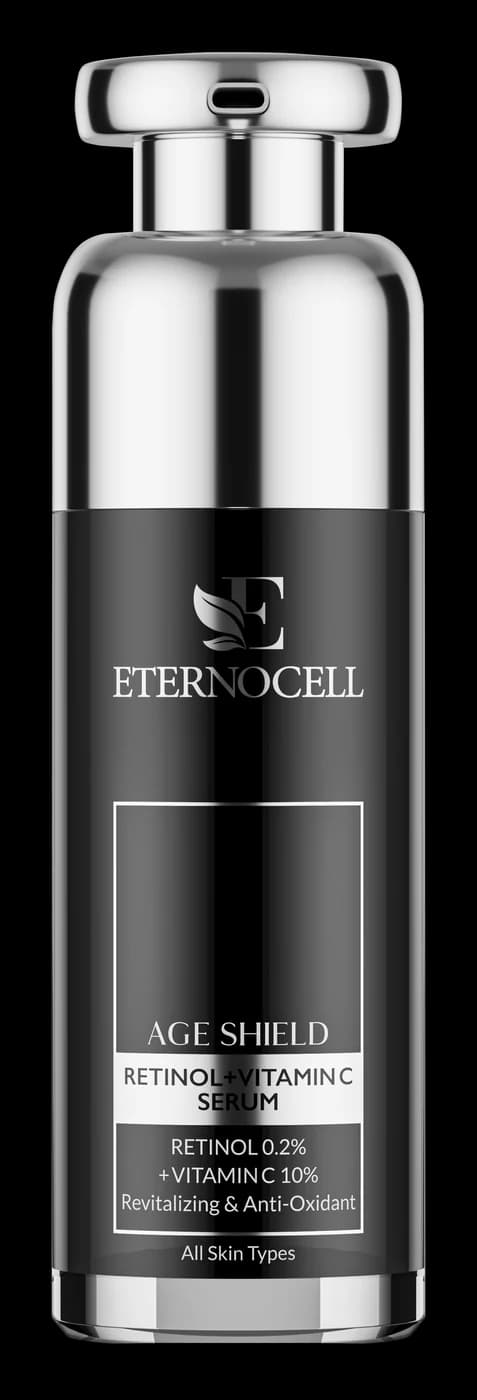
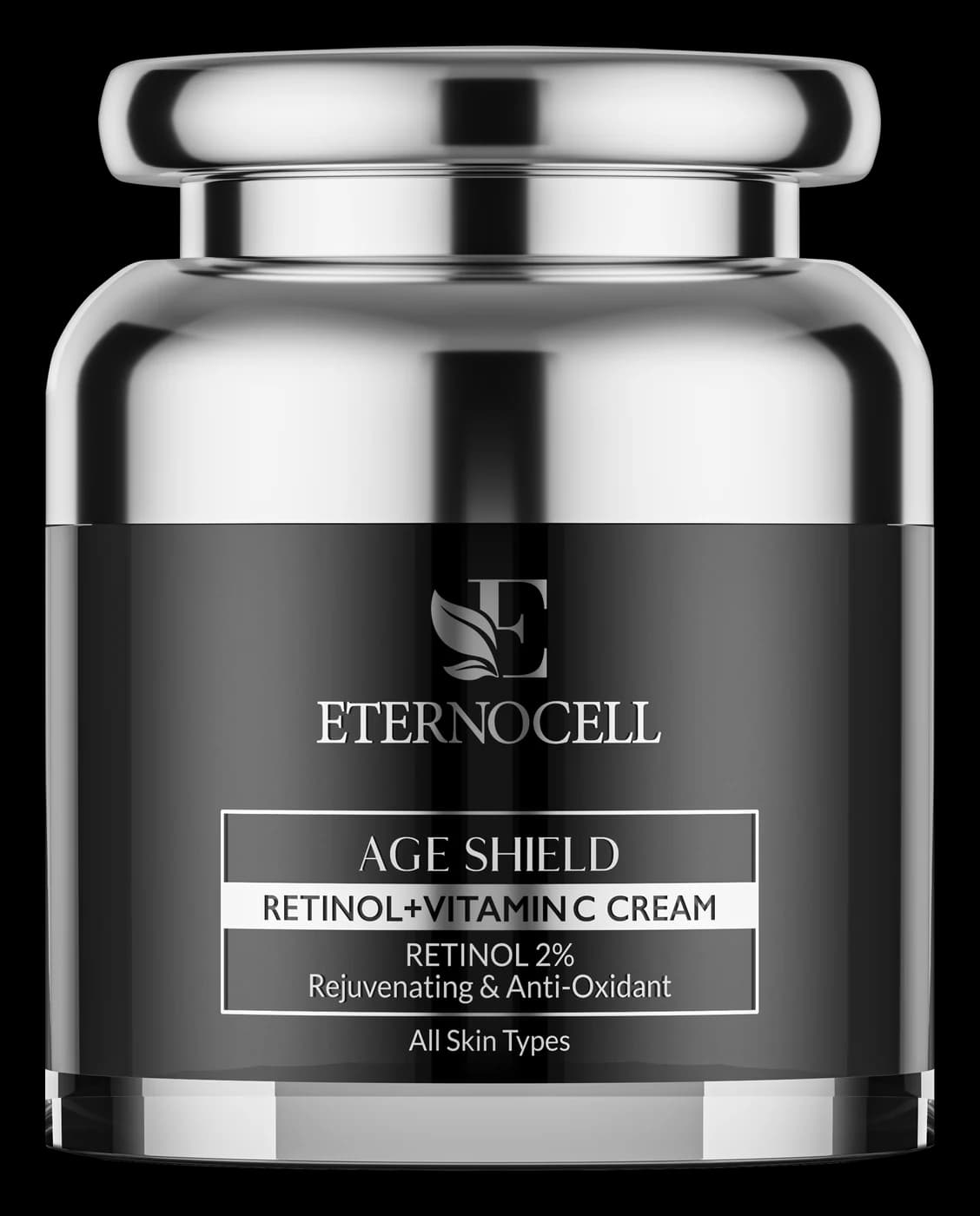
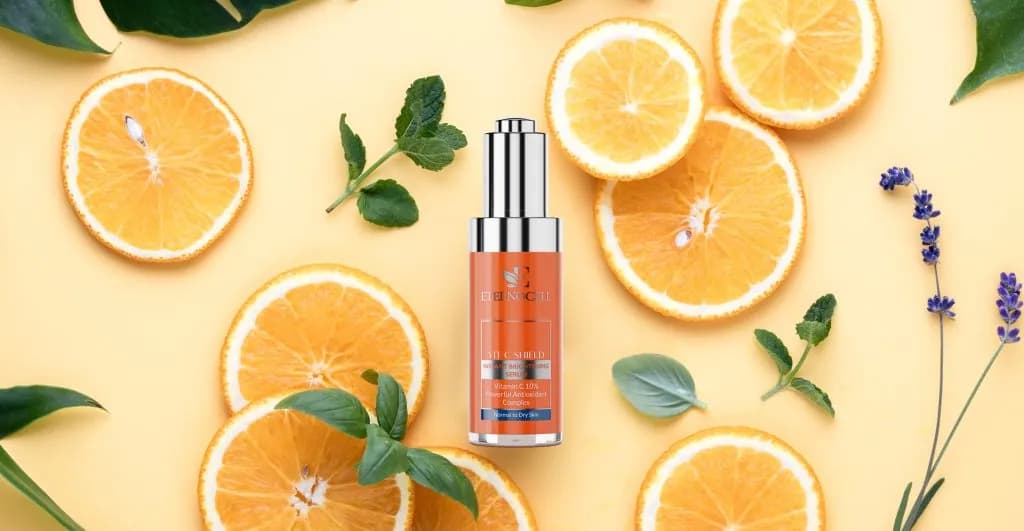
At present, the Eternocell range includes two products containing retinol: the Eternocell anti-wrinkle serum (Age Shield Retinol + Vitamin C Serum) and the Eternocell anti-wrinkle cream gel (Age Shield Retinol + Vitamin C Cream).
Eternocell anti-wrinkle serum
Developed using the latest scientific methods, the Eternocell anti-wrinkle serum is a good choice for people with oily skin or for anyone who wants fast results on their skin. Its other key features include:
- Fast-acting results
- Minimises wrinkles
- Helps rejuvenate the skin of the face
- Reduces dark spots caused by sunlight
- Helps leave the skin of the face soft and clear
- Protects the skin against harmful environmental factors
Eternocell anti-wrinkle cream gel
With its very light texture and advanced formula, the Eternocell anti-wrinkle cream gel has antioxidant and anti-inflammatory effects on the skin of your face. Its other key features include:
- Renews the skin as a whole
- Reduces damage to the skin's surface
- Smooths away wrinkles
- Increases the skin's suppleness
- Leaves the skin fresher and brighter
- Maximum hydration
- Helps prevent the signs of ageing
Conclusion
Retinol: nature's gift for skin rejuvenation
In this article we have taken a comprehensive look at retinol, one of the most effective anti-ageing ingredients. From how it works in the skin to its exceptional benefits and the right ways to use it, we have explored every aspect of this valuable ingredient.
By stimulating collagen and elastin production, reducing wrinkles, improving skin texture and evening out skin tone, retinol helps rejuvenate and refresh the skin. It is also very effective in treating acne, reducing enlarged pores and improving the texture of damaged skin.
However, to enjoy the benefits of retinol, it is essential to follow a few guidelines, such as starting with a low concentration, using it at night, protecting your skin from the sun and using a moisturiser. People with sensitive skin should also consult a doctor before using retinol.
Ultimately, retinol is a powerful tool in a skincare routine that can help improve the appearance and health of the skin. By choosing the right product and using it correctly, you can achieve younger, fresher and more beautiful skin.