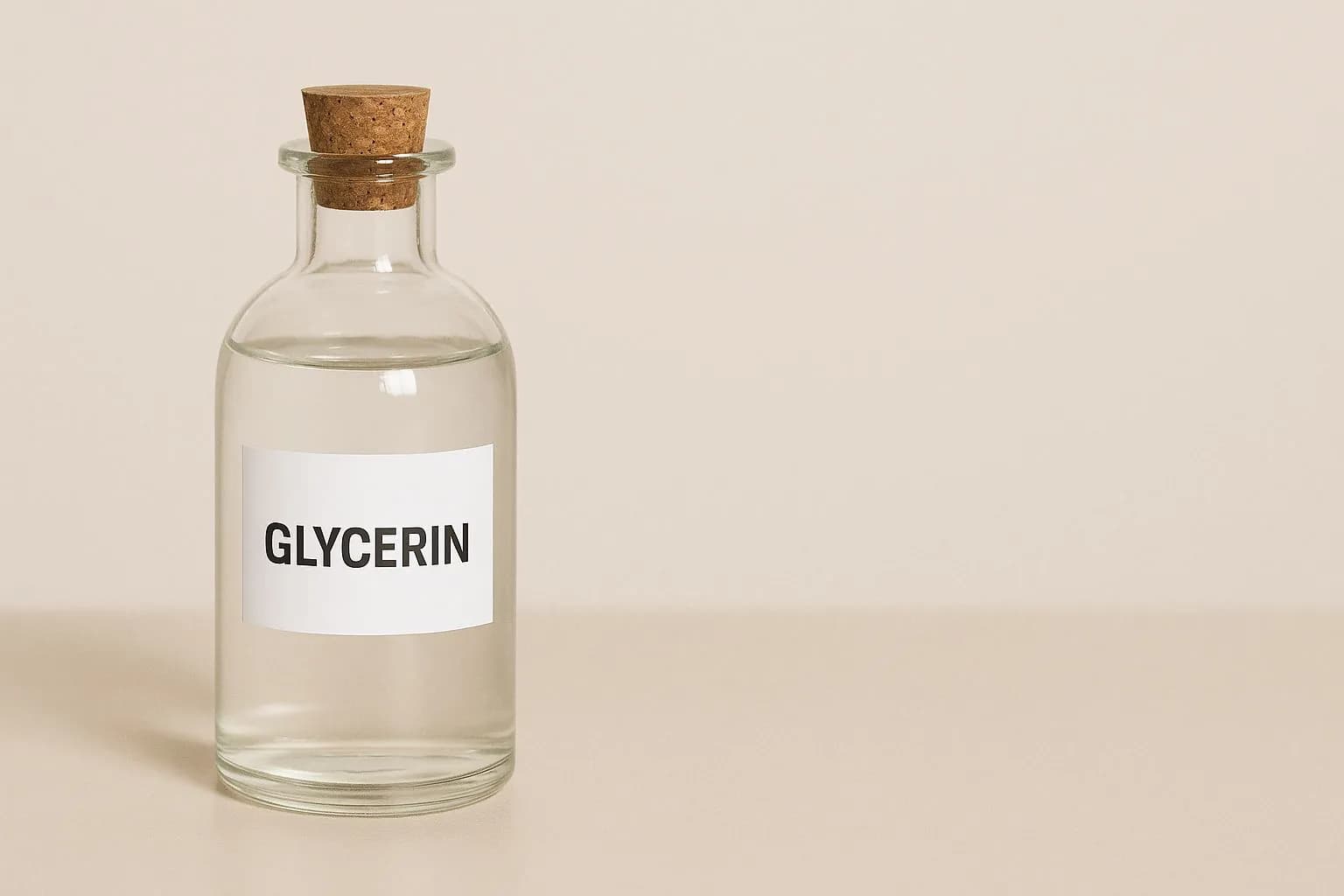
Your skin is one of the most important organs of the body, and throughout the day it is exposed to many different factors, such as pollution, changes in the weather and everyday stress. Caring for it properly can make a real difference to its health and beauty. One of the natural substances used especially widely in skincare is glycerin. Glycerin is known as a natural moisturiser and plays an important part in keeping the skin hydrated and soft. In this article we look at the benefits of glycerin for the skin and explain how to use it for different skin types. We also share safety points and dermatologists' recommendations on this useful ingredient.
What is glycerin, and why is it good for the skin?
Glycerin is a natural, odourless compound obtained from plant or animal fats. It is widely recognised in the pharmaceutical and cosmetics industries as one of the key ingredients in moisturising creams. It can draw water from the air and carry it into the different layers of the skin, which is why it is regarded as an effective moisturiser.
Glycerin naturally helps keep the skin soft, moisturised and supple. And because it penetrates deep into the skin and holds moisture within it, it helps prevent dryness and cracking. Glycerin also has anti-inflammatory properties and can help soothe sensitive, irritated skin.
The benefits of glycerin for the skin:
- Moisturising: glycerin effectively draws moisture from the air and holds it in the upper layers of the skin.
- Softening: by nourishing and hydrating the skin, glycerin leaves it soft and smooth.
- Suitable for all skin types: glycerin suits dry, oily and sensitive skin, and can help balance the skin's moisture levels.
- Reducing inflammation: glycerin's anti-inflammatory properties help reduce redness and skin irritation.
How does glycerin help the skin retain moisture?
Glycerin is known as a natural moisturiser that can help the skin retain moisture. Thanks to its hygroscopic nature, it readily attracts water molecules from its surroundings and holds them in the surface layers of the skin. This allows glycerin to carry moisture from the environment into the skin and prevent it from evaporating. As a result, your skin can stay soft and moisturised for longer.
How glycerin draws in moisture:
When glycerin sits on the surface of the skin, its moisture-attracting properties allow it to draw water from the surrounding air and carry it into the deeper layers of the skin. This protects the skin from dryness and cracking, especially in the drier seasons. Glycerin also acts as a protective layer that reduces the loss of the skin's natural moisture.
The benefits of glycerin as a natural moisturiser:
- Deep hydration: glycerin penetrates the deeper layers of the skin and carries moisture into it.
- Keeping the skin soft and smooth: by holding moisture within the skin, glycerin makes it softer and smoother.
- Preventing dryness and cracking: in cold, dry seasons, glycerin draws in moisture and prevents the skin from drying out and cracking.
- Soothing sensitive and damaged skin: thanks to its anti-inflammatory properties, glycerin can be effective in soothing sensitive and damaged skin.
How glycerin works on different skin types
Because of its particular properties, glycerin suits all skin types and can be used effectively in caring for dry, oily and sensitive skin. In this section we look at how glycerin works for each skin type, so that you can make good use of it in your own routine.
Glycerin for dry skin
Dry skin, lacking sufficient moisture, is often prone to dryness and cracking. By drawing moisture from its surroundings and carrying it into the deeper layers of the skin, glycerin effectively prevents dryness and keeps the skin soft and moisturised. Glycerin also acts as a protective layer that stops moisture evaporating from the skin and helps keep it soft.
- Practical tips for dry skin: glycerin can be used effectively to hydrate dry skin in the colder months or after using drying cleansers. For a greater effect, try using glycerin as part of a moisturising mask.
Glycerin for oily skin
Oily skin produces a lot of sebum at the surface and is prone to spots and acne, yet glycerin can effectively help regulate the skin's moisture and reduce excess oil. Glycerin acts as a light moisturiser and stops the skin producing extra oil to make up for excessive dryness. Glycerin can therefore help regulate oil production and prevent the skin from drying out.
- Practical tips for oily skin: using glycerin together with anti-blemish toners can help maintain the moisture balance of oily skin and prevent new breakouts.
Glycerin for sensitive skin
Sensitive skin is easily prone to irritation and allergic reactions. As a non-irritating ingredient, glycerin can help soothe sensitive skin and reduce inflammation caused by external factors. Its anti-inflammatory properties can reduce the redness and inflammation caused by skin sensitivity and calm the skin.
- Practical tips for sensitive skin: for sensitive skin, using glycerin as part of your evening routine, combined with calming ingredients such as aloe vera and chamomile, can help soothe and calm the skin.
How to use glycerin to improve your skin's health
Glycerin can be used in skincare in several forms. Whether it is applied directly to the skin or combined with other natural ingredients, it can do a great deal to improve skin health. In this section we explain how to use glycerin for healthy, radiant skin.
Using glycerin as a mask
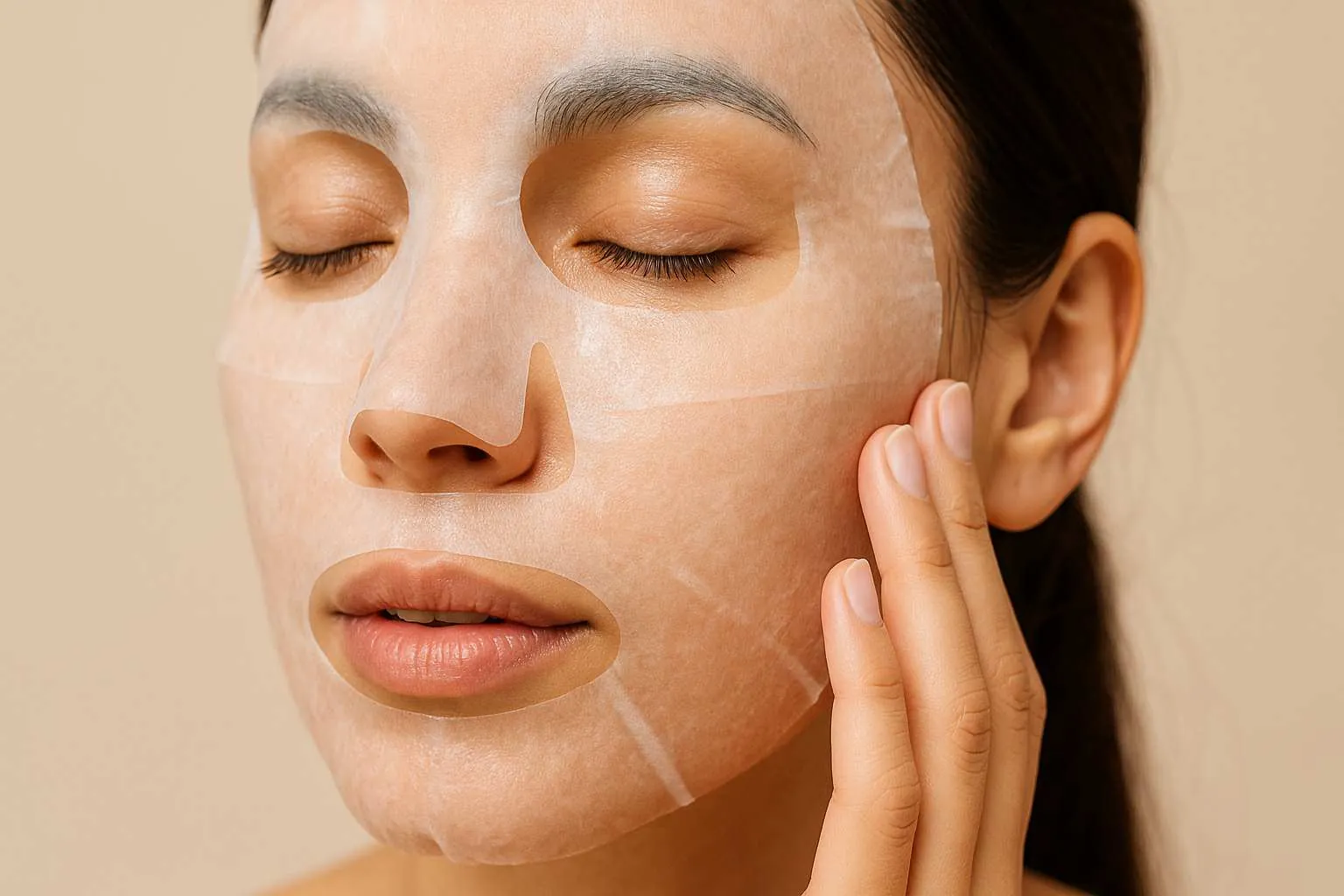
One simple and effective way to use glycerin is in homemade masks. These masks can moisturise the skin and help soften and rejuvenate it. Glycerin can be combined with other natural ingredients, such as honey, aloe vera or plant oils, for a greater effect.
- Recipe for a moisturising glycerin mask:
- 1 teaspoon glycerin
- 1 teaspoon honey
- 1 teaspoon lemon juice (optional, for brightening)
- Mix all the ingredients together well and apply to clean, dry skin. After 15–20 minutes, rinse your face with warm water. This mask is especially suitable for dry and sensitive skin.
Using glycerin in your skincare routine
Glycerin can be used as part of your daily skincare routine. For fresh, moisturised skin, you can use glycerin in the evening or after cleansing your face. Used regularly in your routine, glycerin can keep your skin continuously hydrated and prevent dryness and wrinkles.
- How to use glycerin in your evening routine:
- Wash your face with a gentle cleanser.
- Use a toner suited to your skin.
- Smooth a few drops of glycerin over your face.
- If needed, follow with a moisturising cream to complement the effect of the glycerin.
Glycerin can also be used alongside other skincare products, such as serums or anti-wrinkle creams, to enhance their effectiveness.
How does glycerin help reduce wrinkles?
As one of the best hydrating ingredients, glycerin can play an effective part in reducing wrinkles and preventing premature skin ageing. By drawing in moisture and holding it in the skin, it helps your skin stay soft and elastic, which in turn reduces the appearance of wrinkles and fine lines.
By keeping the skin moisturised and strengthening its protective layer, glycerin prevents the skin from becoming dry and fragile. When the skin is well moisturised, fine lines and wrinkles are less visible, because moisture helps maintain the skin's suppleness and elasticity. This is particularly important for dry skin, which is prone to wrinkles.
The benefits of glycerin in preventing skin ageing:
- Deep moisturising: by attracting and holding moisture in the skin, glycerin helps reduce dryness and dehydration, one of the main causes of skin ageing.
- Greater elasticity: by retaining moisture, glycerin helps the skin keep its elasticity and suppleness, so that fine lines and wrinkles are less visible.
- Reducing inflammation: with its anti-inflammatory properties, glycerin helps reduce skin inflammation, which can help prevent the signs of premature ageing.
Using glycerin as part of your evening routine, or combining it with anti-wrinkle products, can help reduce wrinkles and give the skin a softer, more youthful appearance.
Does glycerin have side effects?
Glycerin is generally regarded as a safe and effective ingredient for the skin, but like any other ingredient, it may cause particular reactions in some people. Although it is widely used on many different skin types, you should be aware of its possible side effects and stop using it if you experience any sensitivity or discomfort.
Can glycerin cause sensitivity?
Although glycerin does not usually irritate or sensitise the skin, in some rare cases people may react to it. People with very sensitive or allergy-prone skin may experience redness, stinging or inflammation after using glycerin. This is especially the case when glycerin is combined with other chemicals, which may trigger these reactions.
Precautions:
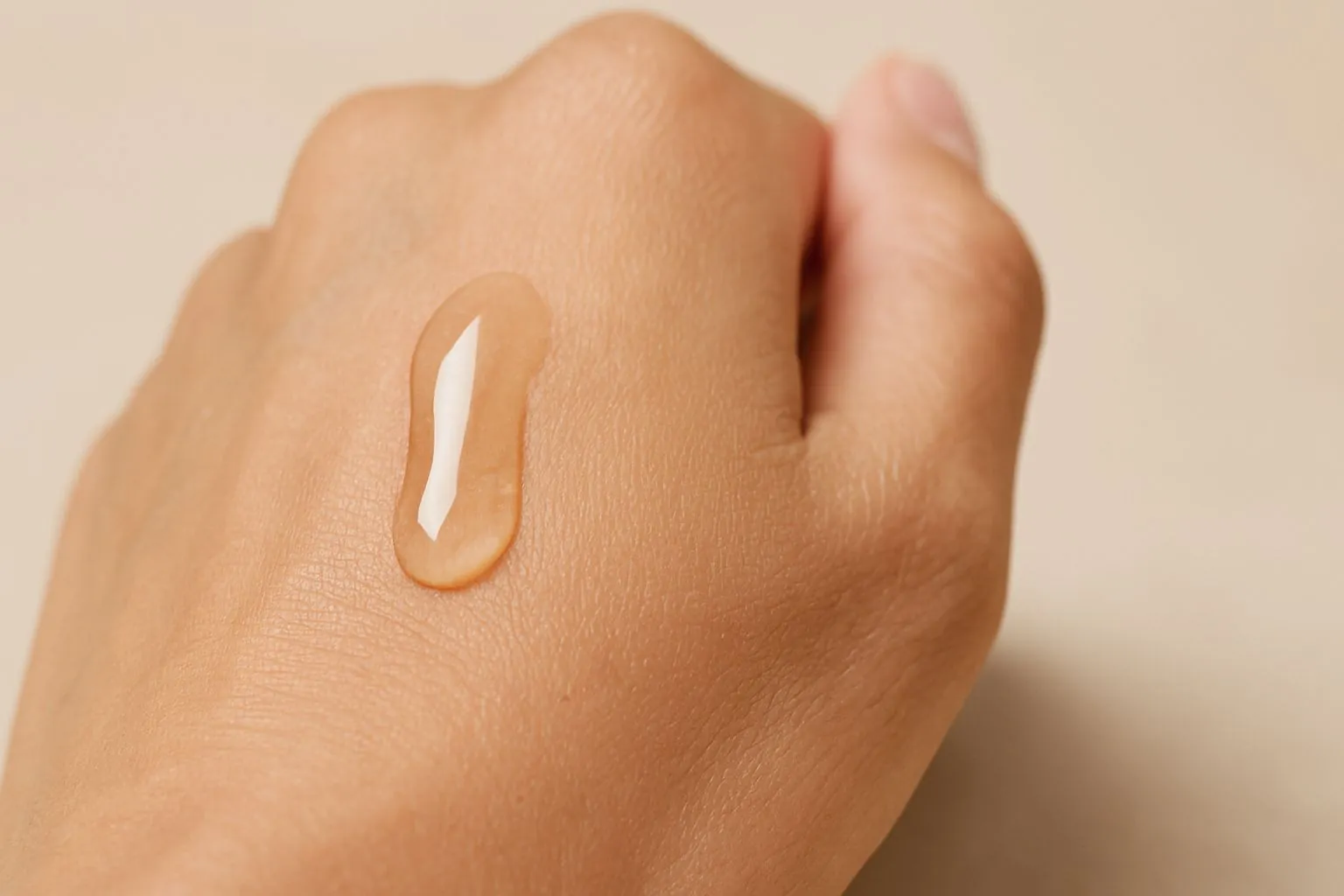
- Before using glycerin on your face, test it on a small area of skin (such as the back of your hand) to make sure it does not cause a reaction.
- If you notice signs of sensitivity such as stinging, redness or inflammation, stop using glycerin and consult a dermatologist.
Safety points when using glycerin
To avoid skin problems, it is essential to follow a few safety points when using glycerin:
- Use the right amount: do not apply large amounts of glycerin to your skin. As a moisture-attracting ingredient, glycerin used in excess can draw water out of the skin and leave it even drier.
- Combine it with suitable ingredients: glycerin should be combined with other gentle, moisturising ingredients to avoid possible irritation.
- Avoid using it on broken or damaged skin: if your skin has a wound or is damaged, it is best not to use glycerin, as it may cause irritation or infection.
Glycerin and the treatment of common skin problems
Glycerin is not only useful for moisturising and softening the skin; it can also be effective in treating some common skin problems. Thanks to its hydrating and anti-inflammatory properties, this natural ingredient helps soothe many skin concerns. In this section we look at how glycerin affects two common skin problems: acne and dry skin in the colder months.
Glycerin for treating acne and breakouts
Acne is a common skin problem, seen particularly in teenagers and young adults. Glycerin's anti-inflammatory properties can help reduce the skin inflammation caused by acne. Glycerin keeps the skin moisturised and prevents the dryness that can lead to new breakouts. It also helps reduce the redness and inflammation caused by spots.
- Practical tips for acne-prone skin: using glycerin as part of your skincare routine and combining it with anti-acne products can help control oil production and prevent new breakouts.
Glycerin for treating dry skin in the colder months
In the colder months, especially in winter, the drop in air humidity leaves the skin dry and prone to cracking. As a powerful moisturiser, glycerin can prevent the skin from drying out during these seasons. By drawing moisture from the air and holding it in the layers of the skin, it helps soften the skin and prevent cracking.
- Practical tips for dry skin in winter: to prevent dry skin in the colder months, try using glycerin together with moisturising creams, and hydrate your skin regularly.
Conclusion
As a natural and effective ingredient, glycerin can play a major part in skincare. With its moisturising, softening and anti-inflammatory properties, it helps improve skin health and prevents common problems such as dryness, wrinkles and acne. Glycerin suits all skin types and can be used in daily skincare routines, and even in homemade masks.
Given its many benefits, glycerin can be used in your evening routine or combined with other natural ingredients to improve the condition of your skin. It is important, however, to avoid overusing it and always to do a patch test before applying it to your skin.
Ultimately, with its remarkable effects, glycerin is a natural and effective way to achieve healthy, moisturised and radiant skin. All you need to do is use this beneficial ingredient in a way that suits your skin type to enjoy its benefits. For more on skin health, stay with the Eternocell journal.