Dry skin is one of the most common skincare concerns, and it can occur at any age and in any skin type. It causes roughness, tightness, itching and, in severe cases, superficial and deep cracks. Contrary to popular belief, dry skin is not limited to winter; in summer, too, it can be aggravated by sunlight, air conditioning and dehydration. In this article, we introduce the best ways to prevent dry skin.
Why does skin become dry and dehydrated?
Dry skin can have various causes: some relate to external factors, while others are linked to lifestyle, daily habits or even underlying conditions. Below, we look at the most important factors.
Environmental factors (climate, sun, wind)
Cold or dry weather, wind and direct sun exposure without protection are important environmental factors that evaporate the skin's moisture and wear down its protective barrier.
Unhelpful habits (over-washing, hot showers)
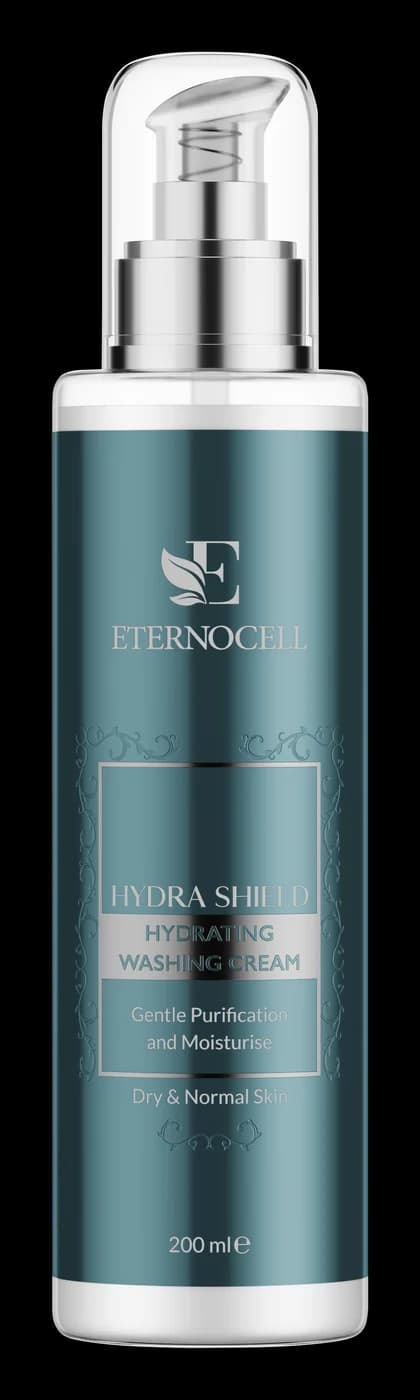
Washing the skin too often with hot water and harsh soaps strips away its natural oils and paves the way for dryness, sensitivity and inflammation.
Poor diet and lifestyle
Dehydration, a diet lacking healthy fats and a high intake of caffeine or alcohol reduce cellular moisture and leave the skin unable to maintain its freshness and vitality.
Skin and systemic conditions
Eczema, dermatitis, psoriasis, diabetes and thyroid disorders are internal causes of dry skin that require specialist treatment.
How can you tell if your skin is dry?
For effective care, recognising the signs of dry skin is very important. Many people only notice the problem once the skin has already been damaged.
- The first sign is often a feeling of tightness and roughness, especially on the cheeks, the backs of the hands or the legs.
- In dry environments or after using harsh cleansers, layers of skin begin to flake.
- A lack of moisture irritates the nerve endings at the surface of the skin, causing itching or stinging that is sometimes accompanied by inflammation.
- In advanced stages, the skin develops fine or even painful cracks, seen mostly in dry areas such as the heels, the knees or around the lips.
Ways to prevent dry skin
Dry skin can be prevented by following a few simple, science-based measures. These steps both prevent dehydration and help repair the skin's protective barrier.
- Alkaline cleansers, or those with strong fragrances, can irritate the skin. Cleansers with a balanced pH that are sulphate-free and alcohol-free are recommended.
- Long, hot showers strip away the skin's natural oils. It is best to keep your bath or shower under 10 minutes and to use lukewarm water.
- While the skin is still slightly damp, moisturising cream is absorbed better and prevents water from evaporating. For more information, see our article on what moisturising cream is.
- In the colder seasons or in air-conditioned spaces, a humidifier helps preserve the skin's natural moisture.
- Rough fibres such as wool can irritate the skin. Wearing a layer of cotton underneath is recommended.
How nutrition and hydration affect skin health
Healthy skin begins from within. Drinking enough water and eating nutritious food support cellular repair and help maintain the skin's suppleness.
- Drink at least 8 glasses of water a day
- Eat healthy fats and skin-supporting vitamins
- Cut down on caffeine and alcoholic drinks
What are the best products for dry skin?
Choosing the right care products is an inseparable part of a routine to combat dry skin. These ingredients hydrate, repair the protective barrier and prevent moisture loss. Regular use, morning and evening, is recommended:
- Moisturising creams containing hyaluronic acid, ceramide and glycerin
- Plant oils such as argan, jojoba and sweet almond
- Specialist products for delicate areas such as the lips and hands
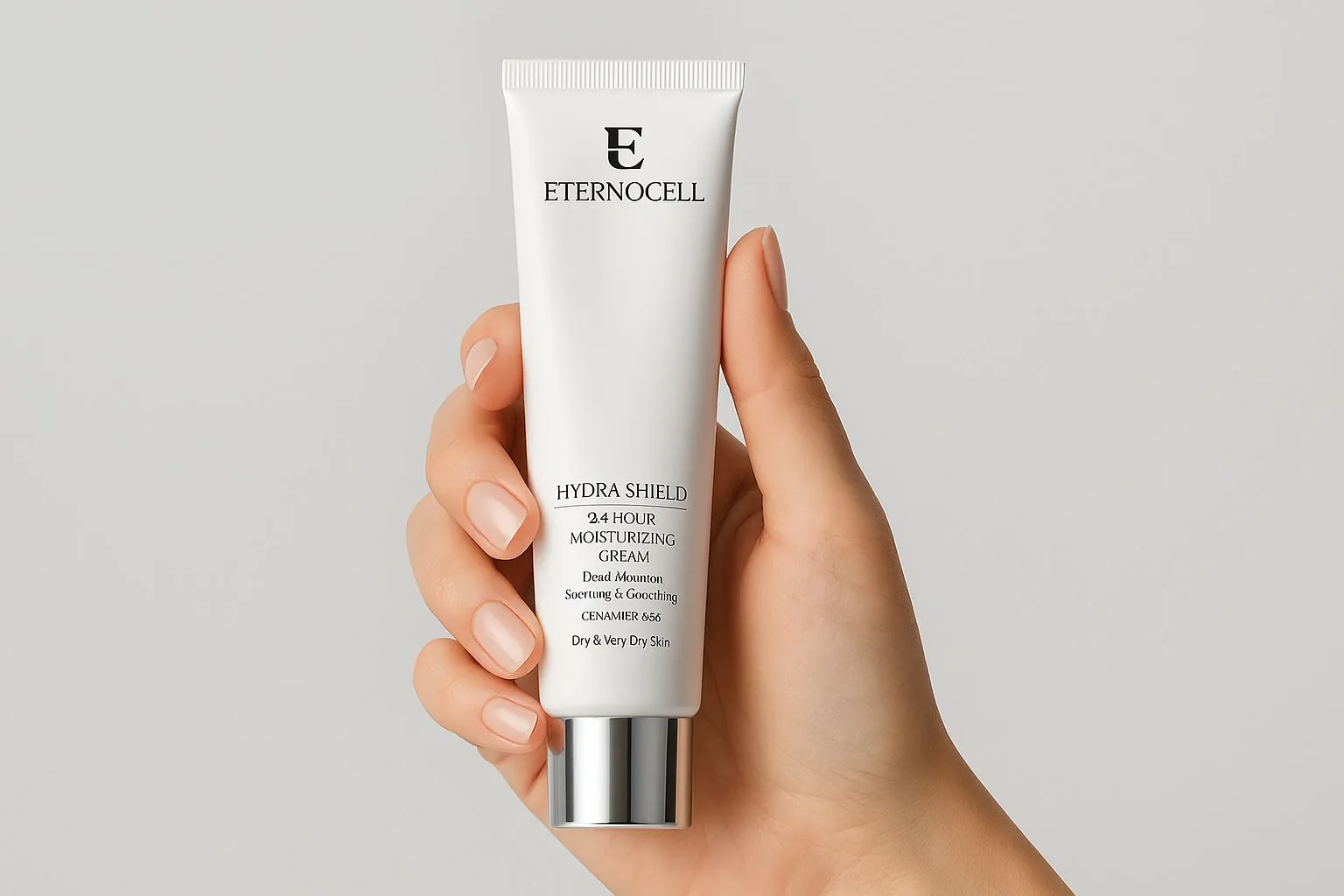
Restoring the skin's moisture barrier and reducing wrinkles with Eternocell Hydra Shield moisturiser
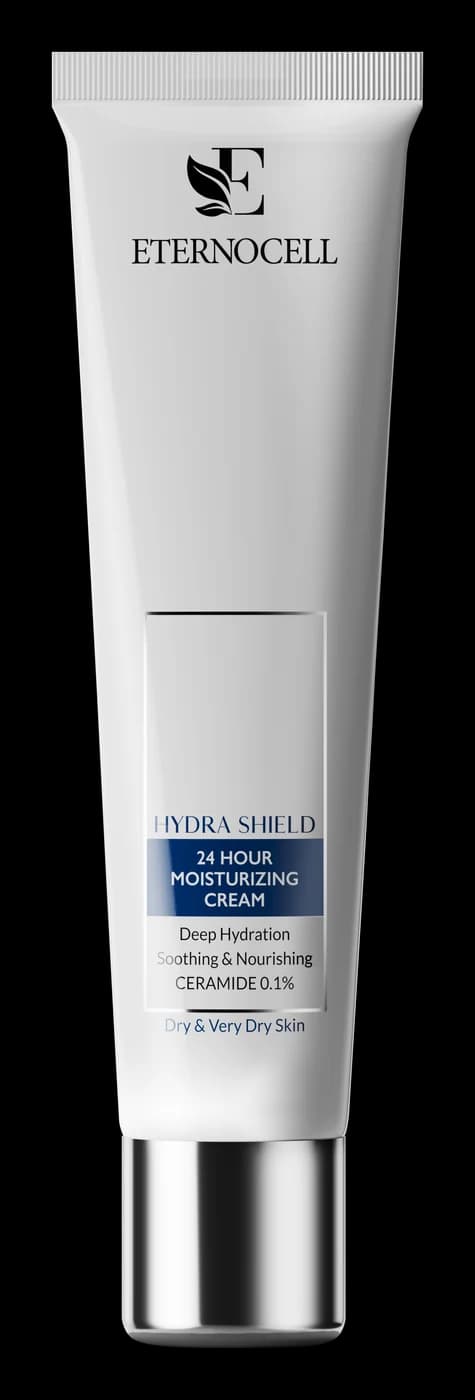
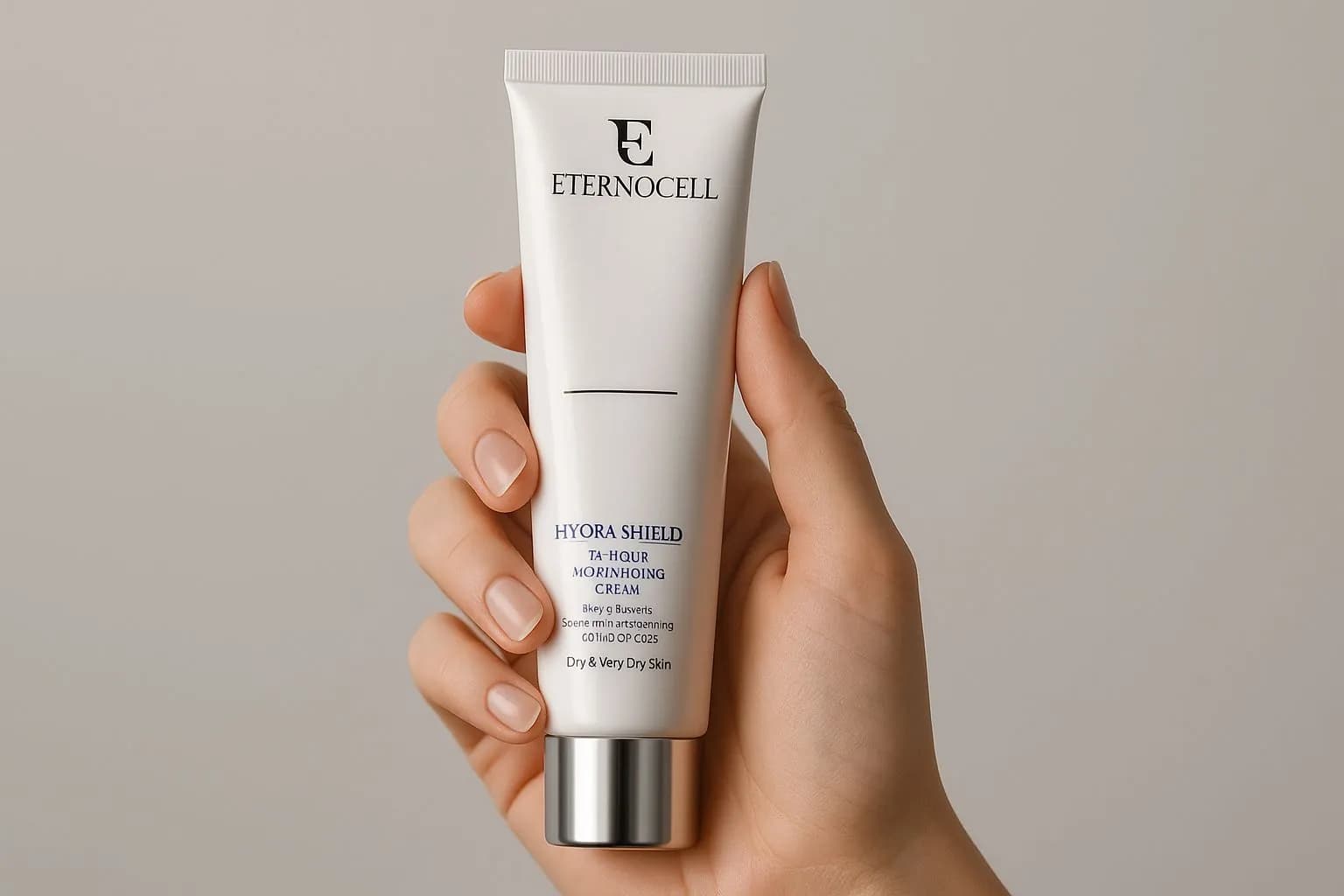
Eternocell's Hydra Shield 24 Hour Moisturising Cream, with nourishing ingredients such as ceramide, plays an effective part in rebuilding the skin's moisture barrier and prevents water loss and dryness. It not only hydrates the skin deeply but, by strengthening the skin's natural protective layers, also helps reduce wrinkles, increase suppleness and slow the ageing process. Its cream-gel texture is absorbed quickly, making it an ideal option for dry and very dry skin.
Common mistakes to avoid when caring for dry skin
Many people, meaning to protect or treat dry skin, do things that not only fail to improve it but may cause further damage and make the dryness worse. Knowing these common mistakes and avoiding them is an important part of a proper routine for dry skin.
Using harsh, soap-based cleansers
Many soaps and cleansing gels contain alkaline ingredients, alcohol or synthetic fragrances that strip away the skin's natural oils. Using these cleansers continually can break down the skin's protective barrier and increase dryness, stinging and inflammation.
A better alternative: sulphate-free, pH-balanced, plant-based cleansers.
Using alcohol-based or astringent toners
Some people use toners containing astringent ingredients or alcohol to tighten pores or cleanse more thoroughly. These toners irritate dry skin further and make flaking and redness worse.
A better alternative: hydrating or soothing toners with ingredients such as rose extract, chamomile or aloe vera.
Over-exfoliating
Although exfoliation can remove dead cells and help products absorb better, overusing scrubs or chemical exfoliants on dry, sensitive skin leads to serious damage, thinning of the skin and loss of moisture.
Our advice: for dry skin, exfoliating with a gentle product no more than once a week is enough.
Skipping sunscreen on cloudy or winter days
One of the most common misconceptions is that sunscreen is unnecessary on days without sun or indoors. In fact, UVA and UVB rays reach the skin even on cloudy days and through glass, causing dryness, collagen breakdown and premature ageing.
Our advice: use sunscreen with an SPF of at least 30 every day, even on cloudy days and indoors.
Not moisturising after cleansing
Sometimes, after washing the face or body, people forget or put off applying moisturiser for one reason or another. This allows the moisture on the surface of the skin to evaporate and damages the protective barrier.
Our advice: apply a cream or lotion within 2 minutes of washing, while the skin is still damp.
Frequently asked questions about dry skin
Does only dry skin need a moisturiser?
No, even oily skin can become dehydrated. Hydration is essential for all skin types.
When should you use a moisturiser?
The best time is immediately after washing, while the skin is still slightly damp.
Is drinking water alone enough to treat dry skin?
No. Drinking water is beneficial, but it should go hand in hand with topical care and moisturising products.
Is dry skin a sign of illness?
Sometimes, yes. If the dryness is chronic or severe, it may be due to eczema, diabetes or an underactive thyroid.
Summary and final advice
To prevent dry skin, you need to care for it both from within and from without. A healthy diet, drinking water, using high-quality moisturising products and avoiding harmful habits all play a part in keeping skin soft and fresh. For more on skin health, stay with the Eternocell journal.
If you still experience severe dryness or inflammation despite following these tips, be sure to consult a dermatologist so that the exact cause can be investigated and the right treatment given. Your skin deserves informed, consistent care.