Eye cream has become a widely used part of the skincare routine, especially among women. These creams are made to reduce wrinkles, darkness, puffiness or dryness in the skin around the eyes – a very delicate area that needs special care. But alongside their many benefits, using these products incorrectly or choosing the wrong cream can cause unwanted side effects. Skin reactions, stinging, darkening or even inflammation are among the effects some users have experienced after use. Knowing the ingredients, the correct way to apply the cream and the warning signs plays an important part in preventing these problems. In this article, we take a close look at the side effects of eye cream, why they happen and how to prevent them, to help you use these skincare products with greater confidence.
Why is eye cream important?
We have already talked about what the right eye cream is; now let us look at why using one matters. The skin around the eyes is the thinnest and most delicate on the whole face. Because it has few oil glands, this area is more prone to dryness, wrinkles, darkness and sagging. On top of that, the constant movement of the eyelids, blinking and facial expressions mean that this area shows signs of ageing earlier than other parts of the face. That is why dedicated care for the eye area is an unavoidable necessity, especially for women who care about the beauty and freshness of their face.
Eye creams are usually made with lighter formulas and anti-inflammatory or hydrating ingredients, so that they strengthen this area while helping to prevent premature damage. Beyond prevention, many people turn to these products to treat dark circles, fine lines or under-eye puffiness. But just as using them is important, so is knowing how to apply them and understanding their ingredients, because the wrong choice can have the opposite effect.
What are the most common side effects of eye cream?
Although most eye creams are designed to care for the skin, in some cases they may produce results contrary to what you expect. Skin reactions such as redness, itching, inflammation, stinging and even increased darkness have been seen in clinical reports and in users' experiences. These side effects usually appear when the skin reacts to one of the cream's ingredients or when the product is used incorrectly.
For example, direct contact between the cream and the eye can cause watering or stinging. In other cases, continued use of a product that contains allergenic substances may lead to dark spots, severe dryness or chronic irritation. The severity and type of reaction vary from person to person, depending on skin type, physical condition and any history of allergies. Below, we look one by one at three of the most common side effects; knowing about them will help you make a safer choice.
Skin sensitivity and itching
One of the first and most common reactions that may appear after using an eye cream is sensitivity and itching around the eyes. The skin here is extremely thin and lacks a strong protective barrier, so fragrance ingredients, preservatives or even certain vitamins such as A or C can cause irritation. Itching is sometimes accompanied by redness, flaking or a pins-and-needles sensation. In some people, a mild allergic reaction fades within a few hours, but in more serious cases you will need to stop using the product and see a doctor. A patch test on a small area of skin before wider use can prevent reactions like these.
Stinging and watery eyes
Some eye creams contain active ingredients that cause irritation, stinging and watering if they are applied too close to the eye or accidentally get into it. Ingredients such as retinol, mild acids or even plant essential oils, for all their benefits, can be problematic for the delicate tissue of the eye. In these cases, you may feel a burning sensation in the eye or have temporarily blurred vision. Correct application – keeping a distance from the lower lash line and avoiding direct contact with the upper eyelid – is the best way to prevent this kind of side effect.
Darkening or spots after use
In rare but notable cases, some creams cause darkening or spots instead of brightening the under-eye area. This reaction is usually due to ingredients such as hydroquinone or other strong lightening agents, which may cause the opposite reaction in darker or sensitive skin. Repeated irritation from incorrect use, or long-term use of an unsuitable product, can also lead to hyperpigmentation, a build-up of pigment. In such cases, not only is the intended result not achieved, the under-eye area actually looks worse. That is why knowing a cream's ingredients before you use it is so important.
Ingredients that may cause side effects
Some of the ingredients found in eye creams, although used to improve skin texture or for brightening, can in some cases be harmful to sensitive skin. Retinol is one of them: it is very popular for its ability to renew the skin and reduce wrinkles, but using it on thin skin, or on skin that has not been prepared for it, can cause redness, flaking or inflammation. Hydroquinone, which is used as a lightening agent, also sometimes causes irritation, dryness or new spots in darker skin.
On the other hand, many creams contain fragrance oils or preservatives such as parabens which, although they improve the scent or extend shelf life, can be strong irritants for the skin around the eyes. We recommend reading ingredient labels carefully and, if you have sensitive skin, choosing products that are fragrance-free and free of harsh ingredients.
Eternocell vitamin C eye cream
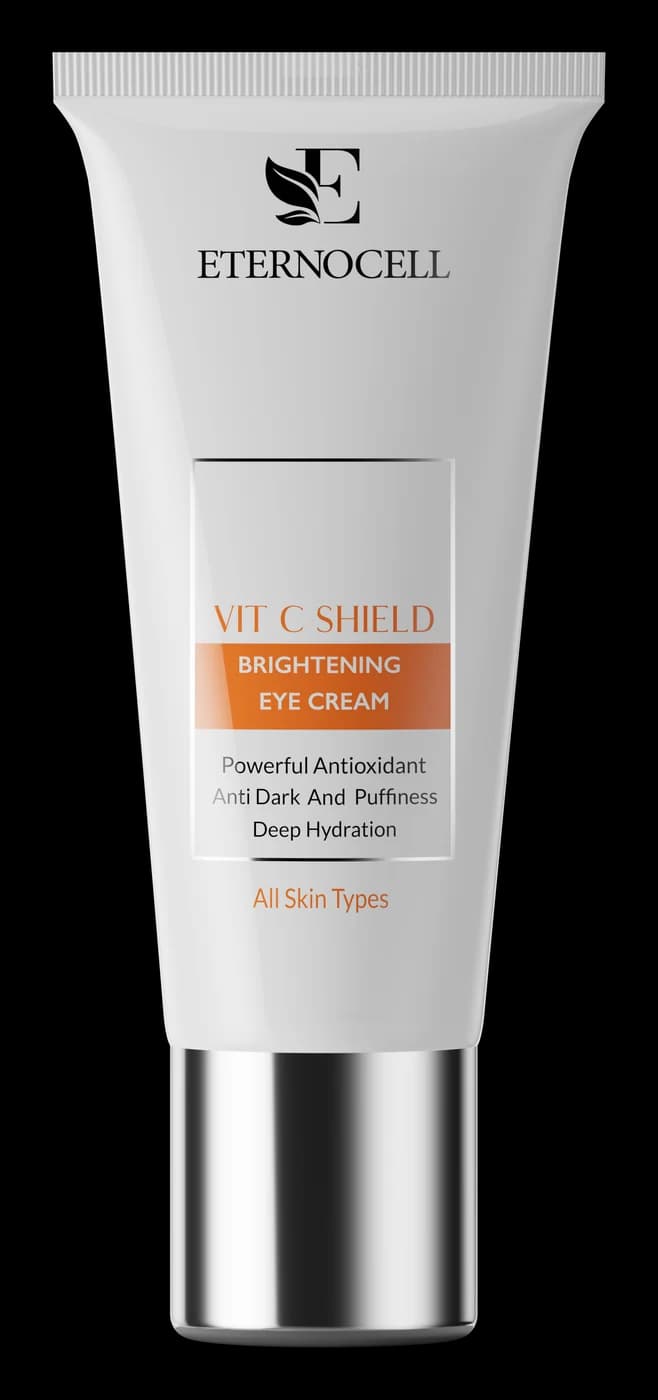
One of the most popular skincare products containing vitamin C is a cream that absorbs easily into the skin and helps repair damaged skin by preventing moisture from evaporating. By preserving the skin's natural moisture, Eternocell's Vit C Shield Brightening Eye Cream protects against the signs of premature ageing and keeps the skin around the eyes looking fresh. Free from parabens and fragrance oils, this product is anti-allergic.

Common mistakes when using eye cream
How you use an eye cream matters as much as which one you choose. Many users unknowingly make mistakes that set the stage for skin reactions. One of the most common is using too much cream. Contrary to popular belief, more product does not mean better results. A large amount of cream causes ingredients to build up on the skin and makes it more likely that they will reach the eye, which can lead to stinging or watering.
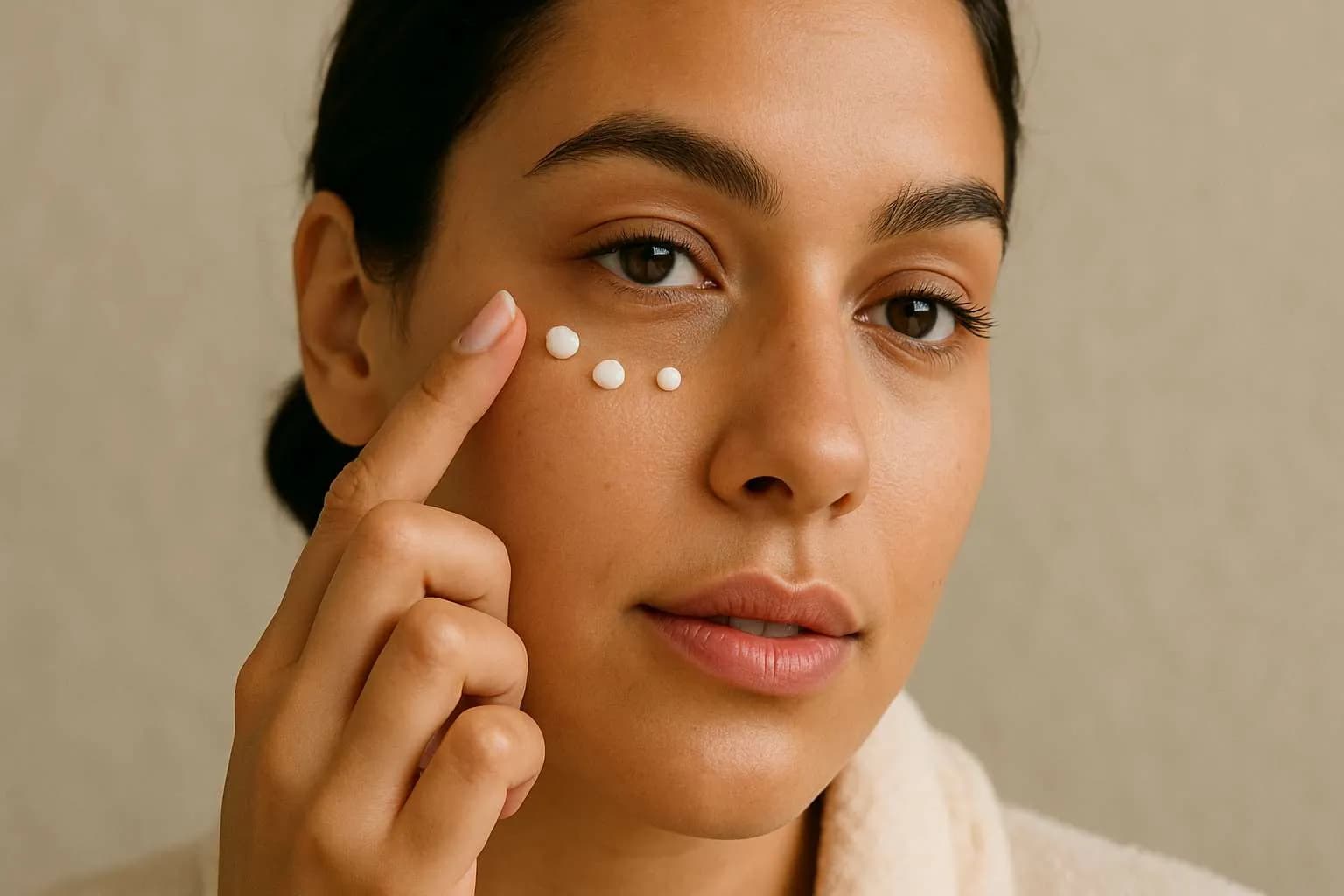
The second common mistake is massaging too hard or applying the cream too close to the eye. This not only irritates the thin skin around the eyes but also increases the chance of cream getting into the eye. We recommend spreading a small amount of cream gently along the bone around the eye, with light taps of your ring finger. Following these simple points goes a long way towards preventing side effects.
Who is more prone to these side effects?
Not everyone reacts to the ingredients in eye creams to the same degree. Certain groups are more prone to side effects for particular reasons. People with sensitive or dry skin, especially those with a history of allergic reactions or eczema, usually react more strongly to irritants. People with a history of skin conditions such as rosacea or dermatitis should also use these products with extra care.
Women who are pregnant or breastfeeding may also be more sensitive to certain ingredients, such as retinol, and should choose a suitable cream in consultation with their doctor. Using products on your own initiative, or without regard to your skin type, is also a common factor behind many reactions. Understanding your own skin's characteristics and choosing a product to match is the most important way to prevent unwanted side effects.
How can you prevent side effects?
Preventing side effects from eye cream depends above all on choosing the product carefully and following the principles of correct use. The first and most important step is a patch test: simply apply a small amount of the cream to the skin behind your ear or along your jaw and wait 24 hours. If no reaction appears, using it around the eyes will be safer. Buying from reputable brands and paying attention to ingredients is essential, especially if you have sensitive skin.
We recommend using creams that are fragrance-free, paraben-free and free of strong ingredients such as retinol or hydroquinone, especially when you are just starting out. It is also best to begin with a small amount and increase it gradually, giving your skin time to adjust. Keeping a proper distance from the eye and applying the cream correctly also play an important part in reducing the risk of irritation. By following these simple but vital points, you can enjoy the benefits of eye cream without worrying about side effects.
When should you stop using the cream?
Recognising the warning signs that tell you to stop using an eye cream prevents more serious damage. If, after use, you notice severe redness, persistent itching, stinging in the eyes, or dark or light patches appearing, stop using the product immediately. Continuing to use it in these circumstances not only makes the problem worse but may cause long-term damage to the thin tissue around the eyes. In some cases, symptoms may appear only several days after use, so even a delayed reaction should be taken seriously.
If symptoms continue or get worse after you stop using the product, it is essential to see a dermatologist or an eye specialist. Ignoring these signs may lead to problems such as chronic inflammation, severe dryness or even lasting darkening of the skin. Listening to how your skin responds and stopping use in time is therefore one of the most important principles of caring safely for the eye area.
Final thoughts
Eye cream is one of the most widely used products in many women's skincare routines, but using it without enough knowledge, or choosing the wrong one, can bring unwanted side effects. Because it is so fine and sensitive, the skin around the eyes needs special attention. Side effects such as itching, stinging, darkening or spots usually arise from allergenic ingredients, mistakes in how the product is applied, or choosing an unsuitable product. In this article, we have looked closely at these side effects, the higher-risk ingredients, common mistakes and ways to prevent them.
Our final advice is this: before using any skincare product, especially on sensitive areas such as around the eyes, pay attention to its ingredients, your skin type and your personal circumstances. An informed choice and correct use are the best way to enjoy the benefits of eye cream without experiencing side effects. For more on skin health, follow the Eternocell blog.