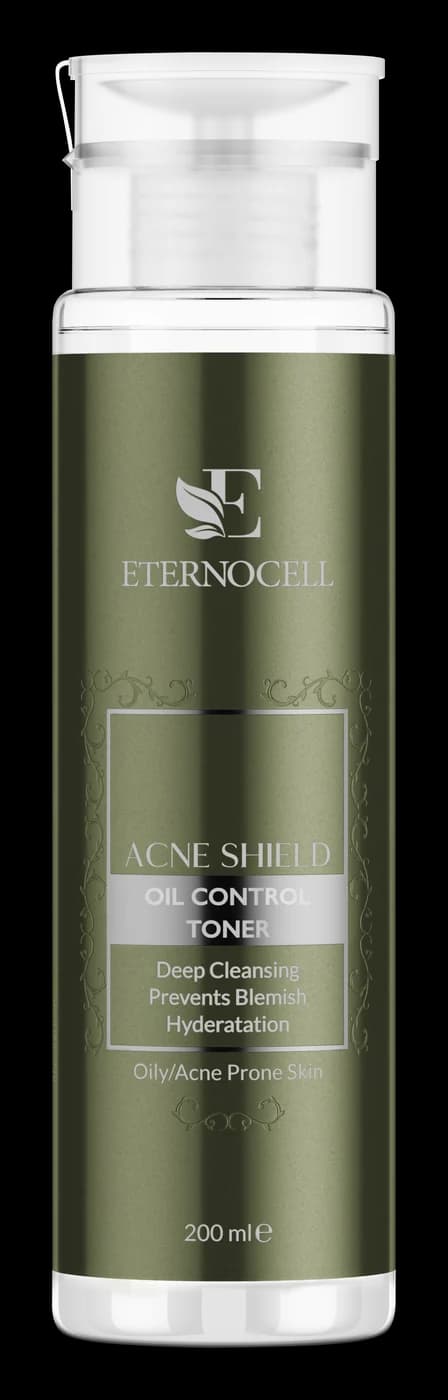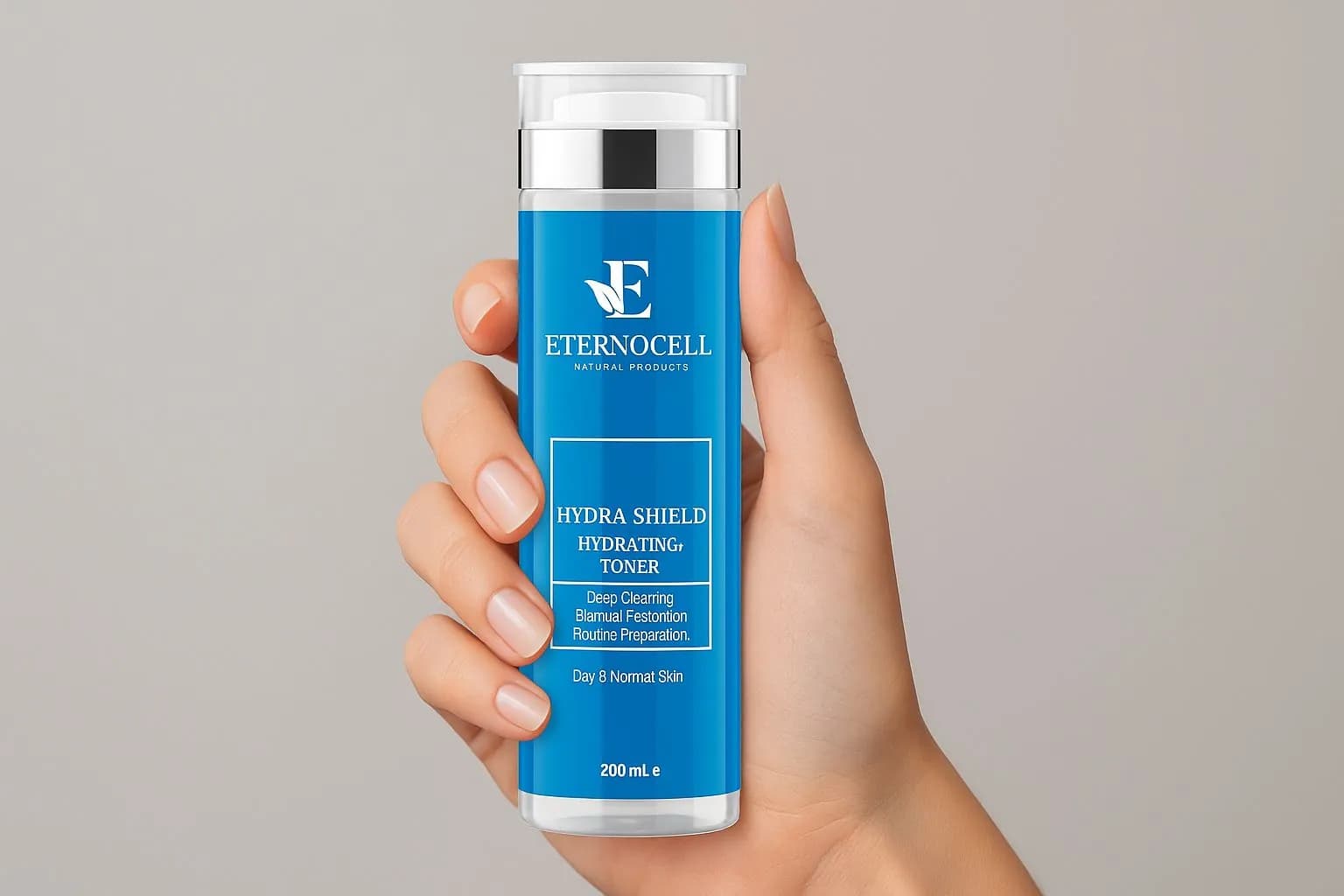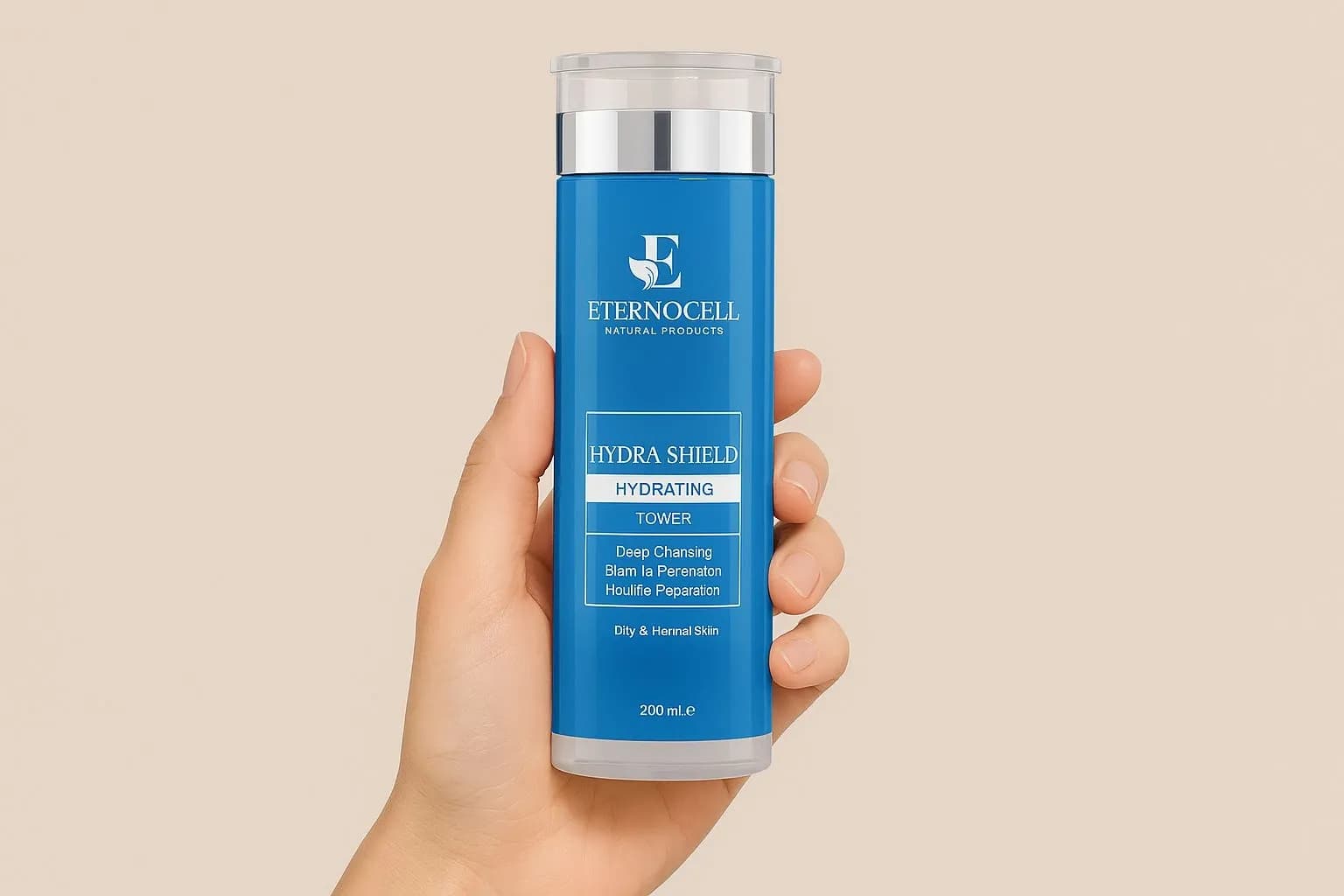
Oily skin often comes with challenges such as excess shine, enlarged pores and a tendency to breakouts. Choosing the right toner can play a key role in improving the health and look of your skin. With such a wide range of products on the market, finding one designed specifically for the needs of oily skin can seem difficult. This article is a complete and comprehensive toner buying guide for oily skin. From the essential qualities of the product to key buying tips and the correct way to use it, you will find all the information you need to achieve balanced, healthy skin.
Why does oily skin need a toner?
Now that you know what a toner is, consider oily skin: because it produces too much sebum, it often looks shiny, with enlarged pores and a tendency to breakouts. In these circumstances, a specialist product can help to improve the skin's condition. By rebalancing the skin and completing the cleansing process, it plays an important role in daily care. In this section, we look closely at why this product is essential for oily skin and how it can lead to healthier, more balanced skin.
How toner helps to control oil
As a complementary step after cleansing, this product helps to control sebum production. By removing leftover impurities, excess oil and make-up that may remain after cleansing, it leaves the pores clean and tighter. Some toners contain ingredients such as plant extracts or mild acids that help to regulate oil gland activity and keep the skin from becoming shiny during the day. Together, these qualities give the skin a matte, even appearance.
The benefits of toner for oily skin
Regular use of this product brings many benefits for oily skin. First, by balancing the skin's pH after cleansing, it prevents excessive dryness or irritation. By deep-cleaning the pores, it also reduces the likelihood of spots and acne. Some products contain gentle exfoliating or anti-inflammatory ingredients that help to improve skin texture and fade marks left by breakouts. Finally, it prepares the skin to absorb serums and moisturisers better, making your skincare routine more effective.
Key qualities of a toner for oily skin
Choosing the right product for oily skin means looking for qualities that specifically meet the needs of this skin type. Because it produces too much sebum and is prone to breakouts and enlarged pores, oily skin needs a product that both controls oil and keeps the skin balanced. In this section, we look at the key qualities of such a product in precise detail, so that you can make an informed choice for your skincare.
Key ingredients to look for in a toner for oily skin
The ingredients in this product play a decisive role in how well it works. For oily skin, products with plant extracts such as green tea or witch hazel, which have anti-inflammatory and astringent properties, are very suitable. Mild acids such as salicylic acid, and niacinamide, help to control oil, reduce breakouts and improve skin texture. Light hydrating ingredients such as hyaluronic acid also provide the moisture the skin needs without adding oil. Avoid products high in alcohol or with strong fragrances, as they may irritate the skin.
Exfoliating toners versus balancing toners
These products fall into two main categories: exfoliating and balancing. Exfoliating toners, which usually contain acids such as AHAs or BHAs, help to improve breakouts and blemishes by removing dead cells and deep-cleaning the pores; overuse, however, may make the skin sensitive. Balancing toners focus on regulating pH and controlling oil without strong exfoliation, so they are better suited to daily use and keep the skin calm and matte. The choice between the two depends on the severity of your skin concerns and how much your skin can tolerate.
What to consider when buying a toner for oily skin
Choosing the right product for oily skin can make a considerable difference to the look and health of your skin. With such a wide range of products on the market, knowing the key points to consider when buying will help you choose one that suits your skin's needs. In this section, we offer clear, precise guidance to help you buy wisely and avoid common mistakes, so that your skincare is effective and satisfying.
How to choose a toner that suits your skin's needs
To choose this product, first identify the specific needs of your oily skin. If your skin is prone to breakouts, consider a product with anti-acne ingredients such as salicylic acid or green tea extract. To control shine, products with mattifying and sebum-regulating properties are suitable. It is essential to read the label and avoid heavy ingredients or formulas high in alcohol, as these can irritate the skin. Testing the product on a small area of skin before full use will also reassure you that it suits your skin.
Common mistakes when buying toner and how to avoid them
One common mistake is choosing a product based solely on brand or price, without looking at its ingredients. To avoid this, always check the ingredient list and make sure the product is suited to oily skin. Another mistake is using high-alcohol products in the hope of controlling oil, which can dry out and irritate the skin; look for gentle, hydrating ingredients instead. Ignoring your skin type and its particular needs can also reduce a product's effectiveness, so before you buy, consult a dermatologist or do enough research.
Conclusion
Choosing the right product for oily skin is an essential step towards healthy, balanced, breakout-free skin. By controlling oil, clearing the pores and preparing the skin for the other steps of your routine, it plays an important role in daily care. By paying attention to key ingredients, using it at the right time and pairing it well with your other products, you can make it as effective as possible. Whether you are looking for an affordable option or a professional product for more advanced results, understanding your skin's needs and choosing wisely is the key to success. Eternocell hopes that, by following these tips, you will manage your oily skin in the best possible way and enjoy a fresh, even complexion.