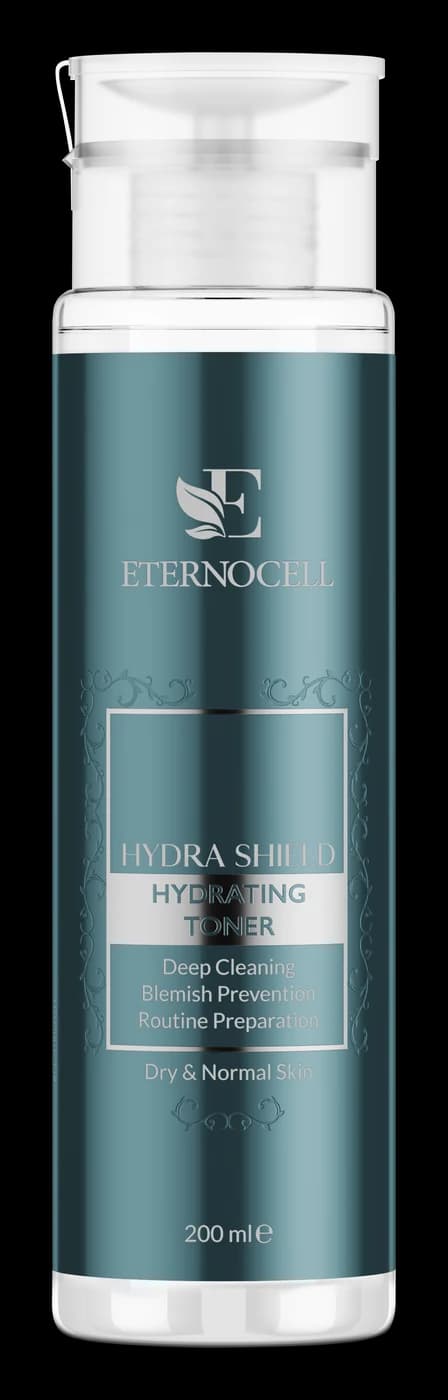
Dry skin is one of the most common skin concerns, and it can lead to a feeling of tightness, flaking and a loss of radiance. In this situation, choosing the right toner not only helps provide the moisture your skin needs but also plays an effective part in preparing it to absorb your other skincare products better. If you have dry skin and are looking for a guide to buying the right toner for it, this article is exactly the comprehensive guide you need. If you are not yet familiar with what a toner is, we have covered it in full in another Eternocell blog post.
Why does dry skin need a toner?
Dry skin naturally produces less oil, which leaves its protective barrier weaker than that of other skin types. This weakness in the skin's protective layer leads to faster moisture loss, greater reactivity and the early appearance of signs of ageing. Using the right toner can be a key step in supplying moisture, rebuilding the skin's defensive barrier and preparing it for the next steps of your routine.
The characteristics of dry skin and how it differs from other skin types
Dry skin is often accompanied by signs such as roughness, flaking, a feeling of tightness and sometimes itching. Unlike oily skin, which looks shiny and has larger pores, dry skin usually looks dull and lifeless, and its pores are smaller. And unlike combination skin, which is oilier in the T-zone, dry skin shows dryness evenly across the whole face. These differences play a decisive role in choosing skincare products, especially a toner.
The role of the right toner in hydrating and preparing dry skin
A toner is in fact a bridge between cleansing your face and applying your treatment and moisturising products. For dry skin, a toner that is alcohol-free and rich in hydrating ingredients such as hyaluronic acid, glycerin or aloe vera can rebalance the skin's moisture levels and prepare it to absorb nourishing serums or creams more effectively. Some toners also have soothing properties that reduce inflammation caused by dryness and prevent sensitivity.
The long-term effects of dehydration and dryness on skin health
Leaving dry skin unattended can have more serious consequences in the long term. A chronic lack of moisture in the surface and deeper layers of the skin paves the way for fine lines, reduced elasticity and faster skin ageing. Dry skin is also more vulnerable and more exposed to environmental aggressors such as pollution, temperature changes and UV rays. Regular use of the right toner can help maintain the skin's natural balance and prevent this damage.
Important points when buying a toner for dry skin
Choosing the right toner for dry skin calls for particular care, because any unsuitable ingredient or property in the product can, instead of improving the skin, lead to irritation, further dryness or even damage to its surface layers. A clear understanding of beneficial and harmful ingredients, and an awareness of the product's chemical properties such as its pH, are therefore essential for an informed purchase.
The hydrating and nourishing ingredients you need
For dry skin, a toner must above all be hydrating. Some of the key, effective ingredients recommended in a toner's formulation are:
- Hyaluronic acid: a moisture-attracting molecule that absorbs up to several times its own weight in water and holds moisture at the surface of the skin.
- Glycerin: a softening ingredient that draws moisture from the environment and helps keep the skin smooth.
- Aloe vera: a plant with soothing and moisturising properties that is very effective in reducing inflammation caused by dry skin.
- Squalane, jojoba oil or almond oil: plant lipids that help rebuild the skin's protective layer and prevent moisture from evaporating.
- Vitamin E and panthenol: nourishing ingredients that strengthen skin cells and help keep the skin soft and supple.
- Denatured alcohol or plain alcohol: these are highly drying and strip the natural, beneficial oils from the skin's surface.
- Synthetic fragrances and essences: although they may smell pleasant, they often irritate dry skin and can lead to sensitivity and itching.
- Strong preservatives such as parabens: continued use of these ingredients can irritate the skin and hinder its natural renewal.
- It prevents further irritation.
- It strengthens the skin's defensive barrier.
- It allows the products that follow to be absorbed more effectively.
- Balances the skin's pH
- Soothes inflammation caused by dry skin
- Gentle exfoliation
- Powerful cleansing
- Fragrance-free
- Alcohol-free
- Urea
- Blackcurrant leaf extract
- Red raspberry leaf extract
- Sage extract
- Witch hazel
- Sorbitol
- PEG-6
- Zinc PCA
- is compatible with the formulation of your other products and does not cause unwanted reactions.
- contains no conflicting ingredients, such as strong acids or alcohol alongside sensitive actives.
- works towards the goals of your routine; for example, if your focus is hydration, your toner should pursue the same goal.
- Read genuine customer reviews on reputable online shops or specialist platforms
- Look for the experiences of people with a skin type similar to yours, especially if they have dry or sensitive skin
- Consult a dermatologist or skincare adviser to make sure the product suits your particular skin condition
Ingredients to avoid
Some ingredients common in toners can be very harmful to dry skin. When buying, avoid products that contain the following:
For this skin type, it is advisable to choose a toner labelled “Fragrance-Free”, “Alcohol-Free” or “Sensitive Skin”.
The right pH for a dry-skin toner
The skin's acidity, or pH, plays an important part in keeping it healthy. The natural pH of human skin is between 4.5 and 5.5, which is slightly acidic. A toner with a pH in this range can help maintain the skin's natural balance, prevent the growth of harmful micro-organisms and strengthen the skin's protective layer.
For dry skin, a toner with a gentle pH close to 5 is the best choice, because:
Introducing the best toner for dry skin on the market
Eternocell's toner for dry and sensitive skin uses urea, an organic antioxidant found in nature, to exfoliate gently and increase how deeply your products penetrate; as well as clearing impurities from your face, it prepares your skin for your other skincare products. Other benefits of this product include:
Key ingredients in this product include:
Key points to consider when buying a dry-skin toner
You should not buy a toner for dry skin simply on the strength of advertising or attractive packaging. Paying attention to how it fits with your skincare routine, the brand's reputation and user reviews can play an important part in making a good choice. In this section we look at the most important points to consider before buying a toner.
Compatibility with the other products in your routine
Although choosing a toner matters in itself, how well it works with the other products in your daily routine is also very important. If you use a particular serum, cream or cleanser, make sure the toner you choose:
Harmony between the different steps of your skincare increases the effectiveness of your products and prevents stress on the skin.
User experiences and dermatologists' advice
In today's digital world, valuable information from users can be a very good guide when choosing a product. Keep the following in mind:
Combining expert knowledge with other people's practical experience significantly reduces the chance of a poor purchase.
Summary and final recommendation
Choosing the right toner for dry skin is a process that calls for care, an understanding of your skin's needs and attention to the product's ingredients. The right toner not only supplies moisture to the skin but also prepares it to absorb other skincare products more effectively. In this article from Eternocell, we have set out the most important points to consider when buying the right toner for dry skin.