Imagine that, after a long day, it is finally time to give your skin a breath of fresh air. Toner and micellar water both promise clean, fresh skin, but what really sets them apart? In this article, we compare toner and micellar water and help you work out which suits your skin better. From their ingredients and uses to key tips for using them, we explain everything so that you can make the best choice with confidence.
What is toner and what does it do?
To explain what toner is, imagine that after washing your face, your skin seems to be missing something: it does not feel completely clean, nor is it ready for cream and serum. This is where a light, delightful product comes in to refresh your skin. After cleansing, this particular liquid restores the skin's balance, leaves the pores cleaner and opens the way for the products that follow to be absorbed better. Whether your skin is dry or oily, it acts like a clever friend, giving your skin exactly what it needs.
This simple liquid does a great deal for your skin. First of all, it balances the skin's pH after cleansing so that any feeling of tightness disappears. Next, it removes any dirt or traces of make-up that your cleanser has left behind. If your skin is oily or prone to spots, it can tighten pores and control oil. For dry skin, it offers gentle hydration that helps your moisturiser do its job better. In short, it is a small step in your routine that brings big results.
Types of toner and their features
Toner comes in different forms, each made for a particular skin type or need. For sensitive skin, alcohol-free, hydrating versions are excellent. If your skin is oily or prone to breakouts, formulas with botanical ingredients such as green tea extract, or even pore-tightening astringents, are useful. Looking for gentle exfoliation? Try an acid toner with AHA or BHA. There are even brightening formulas to fade dark spots. All you need to do is know your skin type and find a product that can keep you company along the way.
What is micellar water and how does it work?
Imagine you have come to the end of a busy day, and make-up, dirt and oil have settled on your skin. Now you have a remarkable product that lifts these impurities away like a magnet. This light liquid works with a special technology: the tiny particles within it act like a professional team, drawing dirt and make-up to themselves and leaving your skin clean and fresh, with no need to rinse. Simple, quick and effortless, it is as though your skin takes a deep breath.
The benefits of using micellar water
This product is a true hero for your skin. First, it is very gentle and does not cause reactions, even in sensitive skin. It removes waterproof make-up, sunscreen and the day's grime without putting pressure on the skin. One of its great advantages is that it needs no rinsing, which makes it ideal for travel or for when you are in a hurry. It is also usually hydrating, leaving your skin soft and ready for the next steps of your routine. A versatile choice for every skin type.
How micellar water differs from other cleansers
Micellar water differs from other cleansers in one essential way: its formula is very light and oil-free, so it does not leave your skin feeling heavy or greasy. Unlike cleansing foams or gels, it does not require vigorous rubbing or rinsing with water, which is a blessing for sensitive skin. It is also simpler than cleansing oils, as there is no need for a second cleanse. All in all, it is a quick, effective solution for when you want clean skin without troubling it.
Key differences between toner and micellar water
When it comes to choosing between these two skincare products, it can feel like choosing between two good friends. Each has its own qualities, but which is better for you? In this section, we look at the main differences between them in simple, straightforward terms. From their ingredients to their role in your daily routine and the skin types they suit, we make everything clear so that you can decide with ease.
Ingredients and formulation
In terms of formula, these two products are worlds apart. Toner is a light liquid with ingredients such as plant extracts, mild acids or hydrating agents, designed to balance the skin and prepare it. It usually contains alcohol, exfoliating acids or anti-blemish ingredients. Micellar water, however, works like a smart cleanser, with tiny particles that attract make-up and dirt. Its formula is often oil-free and gentle, with ingredients that calm the skin. So one is for caring for your skin after cleansing, while the other is a cleanser in its own right.
Their role in your skincare routine
In a skincare routine, the two play different roles. Toner is like a bridge between cleansing and moisturising: after washing your face, you apply it to balance your skin and prepare it for serum or cream. Micellar water, on the other hand, takes the place of a cleanser. With a cotton pad, you can remove make-up, sunscreen or dirt without needing to rinse. If you are in a hurry or your skin is sensitive, micellar water gets the job done faster, but toner is for deeper care.
Suitability for different skin types
Every skin type can benefit from these two products, but you need to choose correctly. Oily, acne-prone skin gets on very well with toner, which tightens pores or controls oil. Dry, sensitive skin, however, is more comfortable with micellar water, which is gentle and hydrating. Combination skin can use both: micellar water to regulate oil and toner for gentle cleansing. All you need to do is understand your skin's needs and find a product that goes the same way you do.
Toner or micellar water: which is right for you?
Now that we have examined the differences between these two products in detail, it is time to see which works better for your skin. It is like choosing a teammate for your skin: one for quick cleansing and one for deeper care. In this section, we explain in simple, friendly terms which product will serve you best according to your skin type. Whether your skin is dry and sensitive or oily and prone to spots, we will guide you towards the best choice.
Dry and sensitive skin
If your skin dries out quickly, turns red or reacts to strong products, micellar water is your best friend. This gentle liquid removes make-up and dirt without troubling your skin and, because it needs no rinsing, it preserves the skin's moisture. Its hydrating versions are ideal for you, as they leave your skin soft and calm. Toner can help too, but be sure to choose an alcohol-free, moisturising version so that your skin feels comfortable.
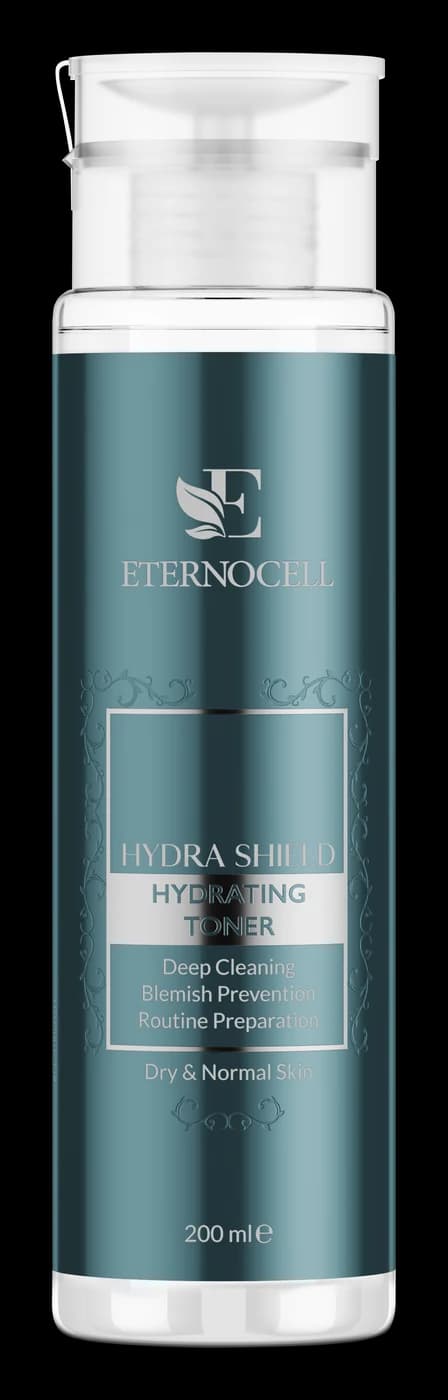
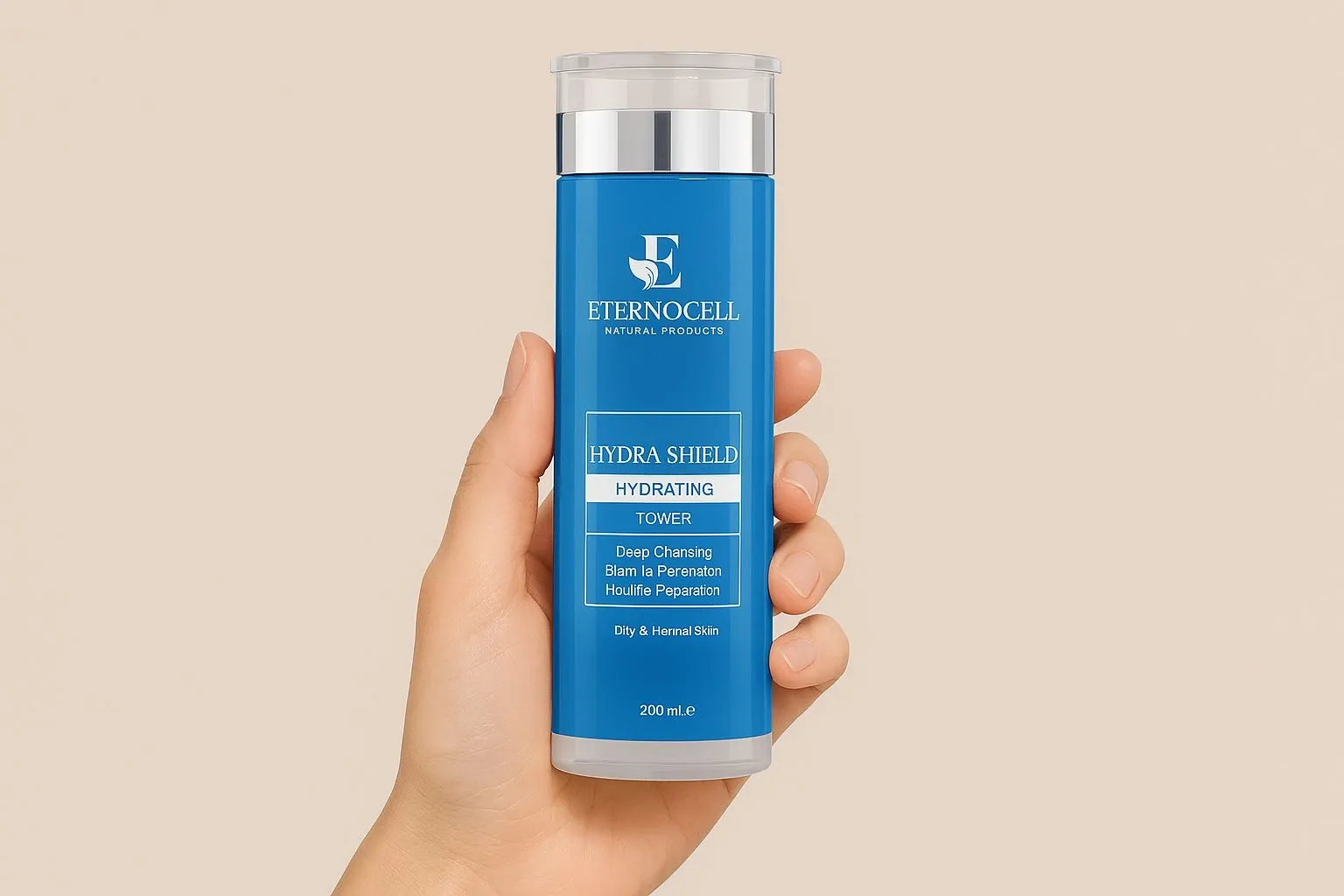
The best choice for people with dry, sensitive skin is Eternocell's toner for dry and sensitive skin. Using urea, an organic antioxidant found in nature, this product gently exfoliates and increases how deeply other products penetrate; as well as cleansing your face of impurities, it prepares your skin for the rest of your skincare.
Oily and acne-prone skin
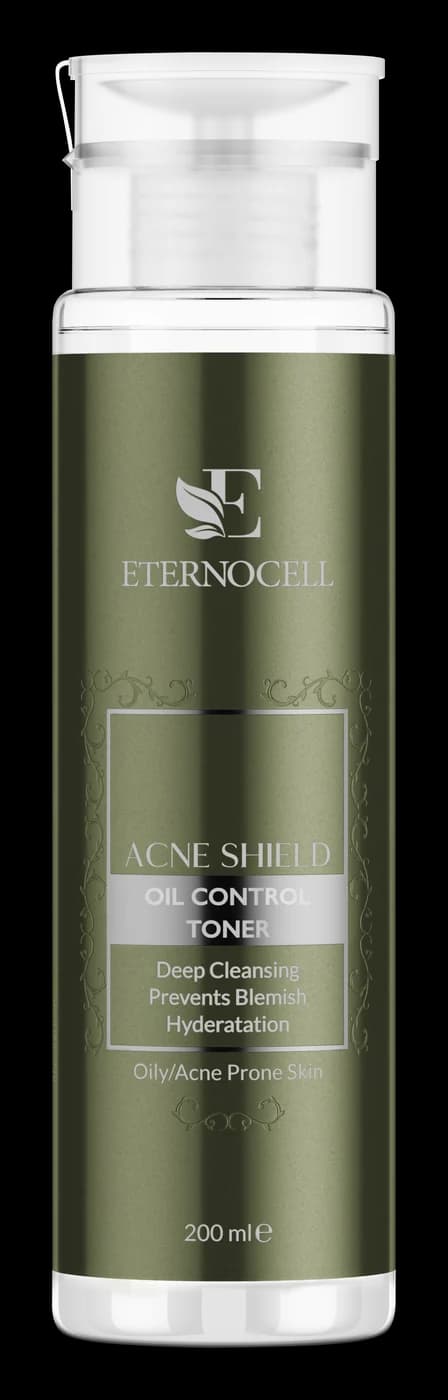
For skin that shines and plays host to unwelcome breakouts, toner is an excellent choice. By regulating oil and cleansing the pores, it helps keep your skin matte and clean. Formulas with plant extracts or mild acids (such as salicylic acid) are ideal for you. Micellar water is also good for removing make-up or sunscreen, but since its role is mainly cleansing, you will need toner more to control oil.
Combination skin
If your skin cannot quite make up its mind, dry in some places and oily in others, you can use both products. Use micellar water to gently cleanse your whole face, as it removes make-up and dirt without drying out your skin. Then apply toner to control oil in the T-zone (forehead and nose) and hydrate the other areas. Balancing formulas are best for combination skin, as they keep your skin even and fresh.
How to use toner and micellar water correctly
Now that you have compared toner and micellar water and know both products well, it is time to learn how to use them so that your skin can glow. Think of it as following a special formula for caring for your skin: you simply need to take a few easy steps correctly. In this section, we explain in simple, friendly terms when to use each of them in your daily routine and what to keep in mind so that common mistakes do not get in your way.
The best time to use them in your daily routine
Each of these products has its own place in your routine. Micellar water is a strong start: morning or evening, before anything else, moisten a cotton pad with it and remove make-up, dirt or oil from your skin. There is no need to rinse, so it is ideal when you are in a hurry. Toner, on the other hand, comes after cleansing: once your face is clean, apply a few drops with a pad or your hands so that your skin is ready for serum and moisturiser. Use them in the evening for deeper care and in the morning for fresh skin.
Key tips to avoid common mistakes
To get the best results, there are a few mistakes to steer clear of. First, do not rub your skin too hard with micellar water; a soft pad and gentle movements are enough to keep your skin from being irritated. Second, do not think of toner as a replacement for moisturiser; always follow it with a cream to lock in your skin's moisture. For both, use products suited to your skin type; for example, if your skin is sensitive, choose fragrance-free and alcohol-free versions. And remember to use a clean cotton pad so that dirt does not find its way back onto your skin.
Conclusion
Now that you know these two products well, it is time to sum up. In this article from Eternocell, we have seen that each of the two plays a key role in the skincare routine: one cleanses and refreshes your skin, while the other restores its balance and prepares it for further care. If you are after quick, gentle cleansing, micellar water is the best choice; but for balanced, well-prepared skin, toner takes the lead. Depending on your skin type and lifestyle, you can make room for one, or even both, in your routine. Just remember to choose a product that suits your skin, and enjoy your routine.