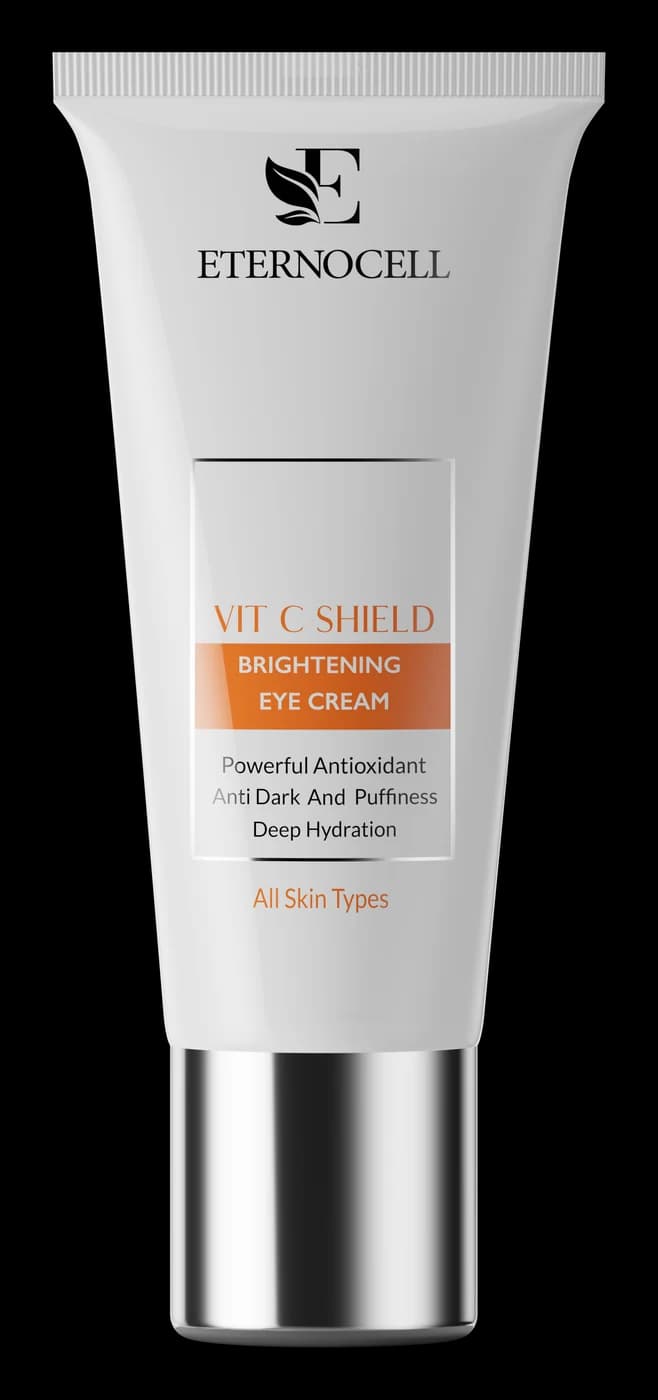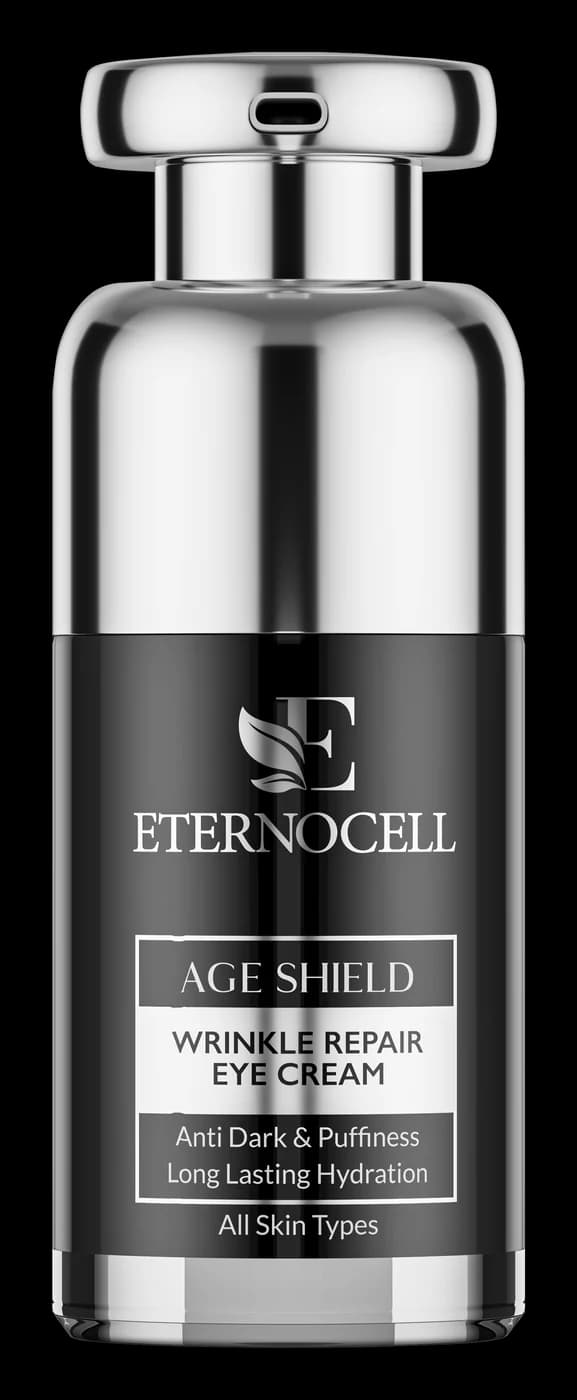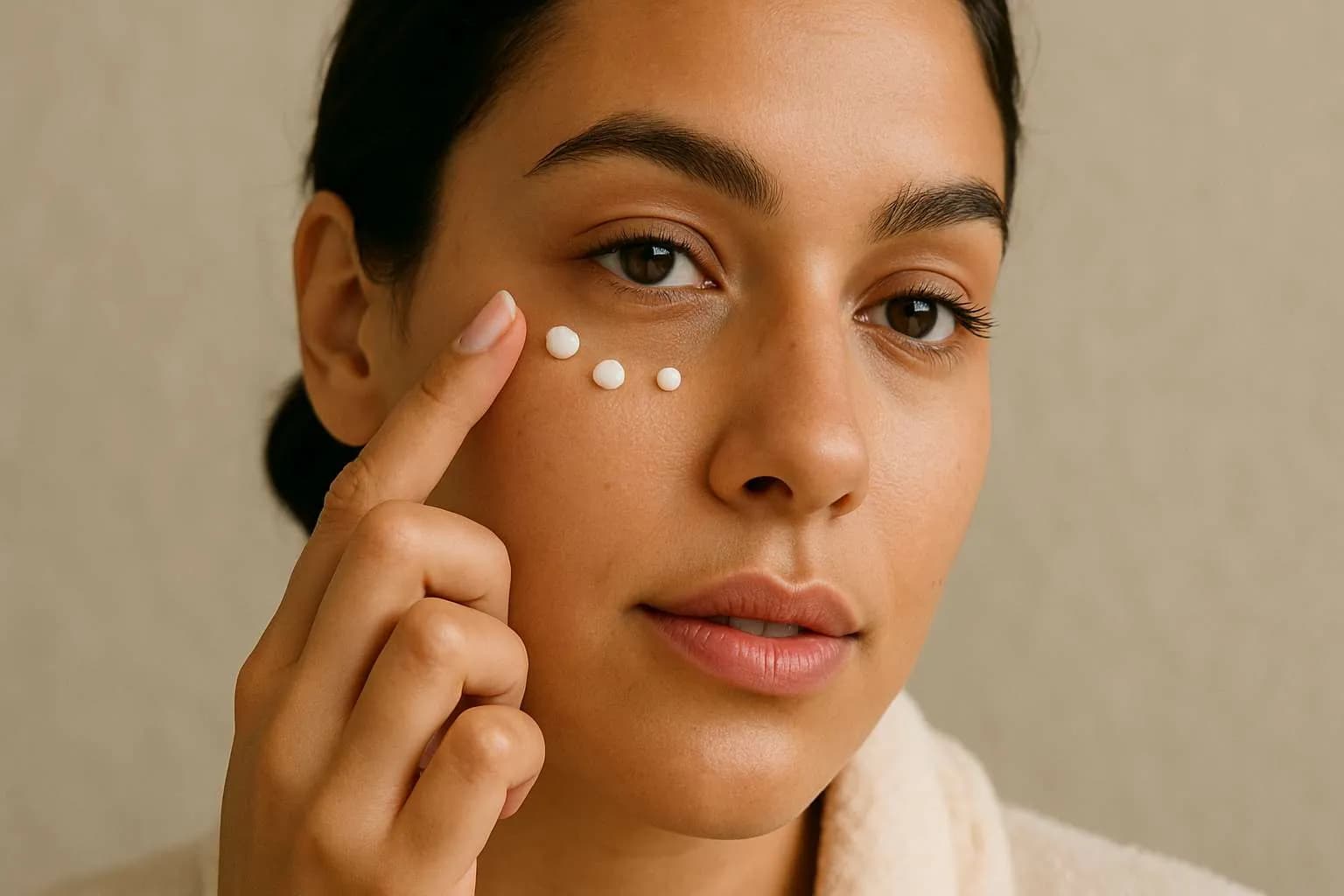
The skin around the eyes is one of the most delicate and thinnest areas of the face, and it is more exposed than other areas to the signs of ageing, dryness and fatigue. That is why an eye-area skincare routine is not simply a choice but a necessity for keeping the face looking fresh. Women who start paying attention to this area from the age of 30 onwards usually develop deep wrinkles or persistent dark circles later. In this article we take you step by step through a sound, science-based and effective routine for the eye area, from understanding the structure of this delicate skin to choosing the right products and avoiding common mistakes.
Why the skin around the eyes needs care
The skin around the eyes is the thinnest and most delicate skin on the face, and because of its particular structure it needs different, more careful attention than other areas. There are far fewer oil glands here, which makes the area drier. And with the repeated movements of the muscles around the eyes throughout the day — blinking, smiling or frowning — extra strain is placed on this area, which speeds up the appearance of fine lines.
This skin also reacts quickly to stress, lack of sleep and environmental factors such as sunlight or pollution; dark circles, puffiness and fine surface lines are among the common signs that appear very early around the eyes. Special care for this area therefore not only helps preserve its beauty but also prevents the signs of ageing from appearing prematurely. Choosing specialised, gentle products free from sensitising ingredients plays a key role here.
How the eye area differs in structure and in early signs of ageing
The skin around the eyes is about three to five times thinner than the skin on the rest of the face. This thinness makes the blood vessels beneath it more visible, so signs such as darkness or a bruised look appear more quickly. The oil and sweat glands in this area are also less active, which naturally reduces moisture and softness. These characteristics are the main reason the skin around the eyes is so sensitive to environmental factors, lack of sleep and even allergies.
This area also shows signs of ageing earlier than the rest of the face. Crow's feet, which form at the outer corners of the eyes, are often the first wrinkles to appear with age or chronic dryness. Reduced collagen production, thinning skin and a loss of elasticity also speed up this process. Early prevention and care for the eye area can therefore play a decisive role in keeping the face looking youthful and fresh.
The essential steps of an eye-area skincare routine
A regular skincare routine for the eye area not only helps prevent wrinkles from appearing prematurely but also reduces dark circles and puffiness under the eyes. Contrary to popular belief, caring for this area is not limited to applying eye cream; it involves several key steps, each of which should be chosen and carried out carefully according to your skin's characteristics.
In this routine, it is important to choose products with a light texture that are fragrance-free and contain no irritating ingredients. Following the correct order of cleansers, toners, serums and creams helps the beneficial ingredients absorb better and work more effectively. How you apply products — including the right amount, the direction of your hand movements and avoiding direct pressure — will also make a great difference to the final result. Below we go through the main steps of this routine one by one.
Gentle cleansing and toning for the eye area
The first step in an eye-area skincare routine is to cleanse this area correctly and gently. Many women use their usual facial cleanser around the eyes, whereas this area needs products specifically designed for sensitive skin. Cleansers containing alcohol, essential oils or harsh ingredients can irritate and dry the skin around the eyes, or even cause inflammation.
For cleansing, it is best to use a bi-phase remover or a micellar water made for the eye area, which cleans while also maintaining the skin's moisture balance. Soak a cotton pad with the product and place it gently on the eyelid and under-eye area without rubbing hard. Then, with very light pressure, wipe away make-up and impurities.
Using a toner on this area is optional, but if you wish to, choose one that is free from alcohol and astringents. Gentle toners can balance the skin's pH and prepare it to absorb eye serum or cream more effectively.
Suitable eye serums and creams
Once the area is thoroughly cleansed, it is time for nourishing and strengthening products: specialised eye serums and creams. Serums usually have a lighter texture and a higher concentration of actives such as hyaluronic acid, peptides or caffeine. These ingredients help reduce fine lines, relieve darkness and refresh the eye area. Place a very small amount of serum (usually one drop is enough for both eyes) on the tip of your ring finger and gently tap it onto the skin around the eyes.
After the serum, a dedicated eye cream is recommended. These creams help retain moisture, nourish skin cells and protect the skin from environmental factors. You should choose the right eye cream according to your skin's needs; for example, creams containing retinol or peptides are suited to reducing wrinkles, while creams containing vitamin K or plant extracts are suited to reducing dark circles.
It is important to know that using a lot of cream is not only unhelpful but may cause the product to collect in fine lines or irritate the skin. A small amount, used regularly, gives the best results.
Using a dedicated sunscreen correctly
While many people take sunscreen seriously for the face, the delicate eye area is often overlooked, even though it is just as exposed to damage from ultraviolet rays. Sunlight is one of the main causes of premature ageing and fine surface lines around the eyes, and protecting this area is an important step in keeping skin youthful.
A sunscreen suited to the eye area should have a light, fragrance-free formulation made for sensitive skin. Many brands make sunscreens specifically for the eye area that neither sting nor get into the eyes. Spread a small amount of product around the eyes with the tip of your ring finger, using gentle tapping movements, and avoid rubbing or pressing directly.
If you use concealer or eye make-up, apply sunscreen first and wait a few minutes for it to absorb before applying your other make-up products. Daily use of sunscreen, even on cloudy days or indoors under artificial light, will over time make a noticeable difference in reducing wrinkles and darkness around the eyes.
Tips for an effective routine
For an eye-area routine to be truly effective, using high-quality products is not enough; following a few key principles in your daily routine can make a remarkable difference. First, consistency is the most important factor in success. Many people expect to see immediate results, whereas the real effect of regular care appears gradually, over several weeks to several months.
The second point is matching products to your skin type and individual needs. For example, if you have dark circles under your eyes, a product with vitamin K or caffeine will be more suitable than a general anti-wrinkle cream. And if your skin is very sensitive, you should use products that are fragrance-free, alcohol-free and tested for sensitivity.
Finally, using the right amount of product, following the steps in the right order and applying it with the correct technique are what maximise the effectiveness of the ingredients. A routine carried out with care, calm and attention to your personal needs not only helps improve the appearance of the eye area but also enriches your daily sense of calm and self-care.
Timing and correct massage
Choosing the right time to use eye-area products can enhance the effect of their active ingredients. It is recommended that you use eye-care products twice a day — once in the morning and once before bed. In the morning, the focus is on protecting the skin from pollution, UV rays and environmental stressors, while at night the skin enters its repair and renewal phase and absorbs nutrients more readily.
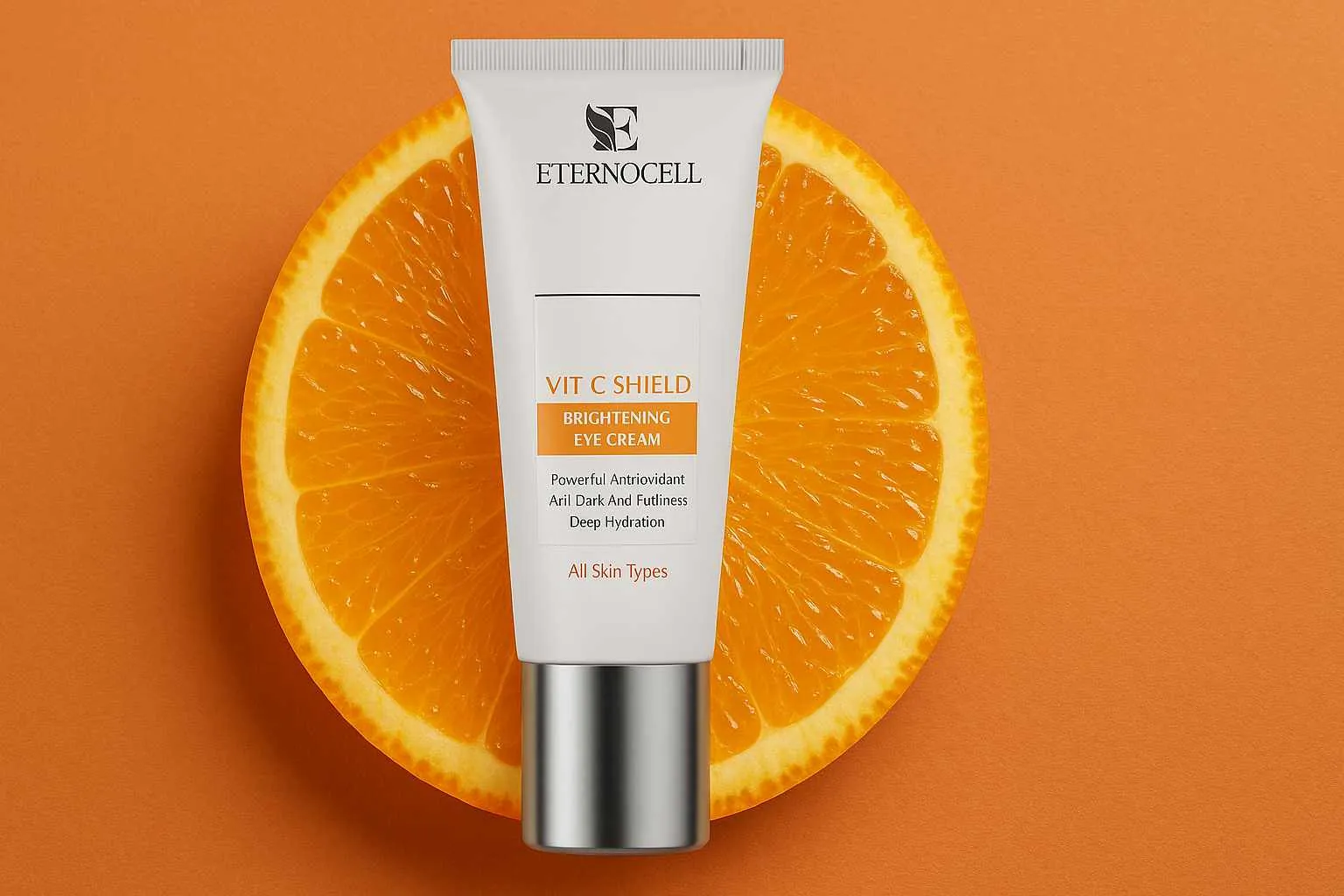
As well as the right timing, the way you apply products plays a vital role. Because the skin in this area is so thin, it is recommended that you use your ring finger to apply products, as it exerts less pressure. Dot the cream or serum around the eye, then spread it with gentle tapping movements from the inner corner towards the outer corner.
To boost circulation and help the product absorb better, you can use a gentle massage or a cooling tool such as a roller. This massage should be slow, brief and careful, so as not to stretch or irritate the skin. Carrying out this step correctly, especially in your evening routine, can help reduce puffiness and darkness and improve the overall appearance of the eye area.
Conclusion
Caring for the skin around the eyes is more than a purely cosmetic gesture; it is part of caring for the overall health and freshness of the face. Because it is thin, delicate and prone to ageing, this area needs careful, consistent, science-based care. By following the essential steps of a routine, choosing products suited to your individual needs and avoiding common mistakes, you can significantly prevent the early appearance of wrinkles, puffiness and dark circles.
An eye-area routine is most effective when it is carried out with care, patience and understanding. Remember that visible results appear over time, and that consistency is the key to success. Women who care for this area properly from middle age onwards not only look younger but also gain greater confidence in facing the natural effects of time. For more on skincare, stay with the Eternocell brand.