Facial wrinkles are one of the first visible signs of skin ageing, and many people encounter them at different stages of life. In this article, we take a thorough look at what causes facial wrinkles and offer practical ways to prevent and address them. These fine and deep lines can be influenced by many factors, including age, direct sun exposure, an unhealthy lifestyle, a poor diet and even everyday stress. Understanding exactly what causes facial wrinkles helps us to adopt the right preventive and caring measures, keep skin ageing in check and preserve the freshness and youthfulness of the face.
What are facial wrinkles and why do they form?
Facial wrinkles are lines and creases that appear on the surface of the skin over time and are often regarded as one of the most distinctive signs of ageing. They can be caused by internal and external factors, and sometimes appear even at a younger age. To understand them better, we first need to look at the scientific definition of a wrinkle and the processes behind it.
The scientific definition of skin wrinkles
Wrinkles are the visible result of structural changes in the different layers of the skin. Over time, the skin produces less collagen and elastin. These two vital proteins are responsible for keeping the skin firm, elastic and strong. As their levels fall, the skin loses its elasticity, and fine lines appear first in highly mobile areas such as around the eyes, on the forehead and at the corners of the mouth. A loss of subcutaneous fat and changes in cellular hydration also intensify this process.
The natural ageing process and its role in wrinkles
Skin ageing is a gradual and inevitable process that naturally begins in the late twenties. At this stage, the activity of fibroblasts, the cells responsible for producing collagen, elastin and hyaluronic acid, gradually declines. Cell renewal also slows, and the skin becomes thinner and more fragile. Alongside these internal processes, external factors such as sunlight, air pollution, a poor diet and stress intensify the process and lead to deeper wrinkles on the surface of the skin.
The main causes of facial wrinkles
Facial wrinkles are not only the result of natural ageing; a range of internal and external factors can speed up or intensify the process. Knowing these factors helps us to adopt a healthier lifestyle and prevent premature skin ageing. The most important of them are outlined below:
How age affects wrinkles
With age, the skin naturally produces less collagen, elastin and hyaluronic acid. These vital components play an important role in keeping the skin elastic and firm. As a result of this decline, the skin becomes thinner, drier and less supple, which sets the stage for lines and wrinkles to form.
The role of sunlight and ultraviolet (UV) rays
Constant exposure to sunlight, especially ultraviolet (UV) rays, is one of the main causes of premature skin ageing. These rays penetrate the deeper layers of the skin, damage cell structures and collagen fibres, and gradually break down the tissues that support the skin. This is why daily sunscreen is so important in preventing wrinkles.
The effect of poor sleep and stress
Lack of sleep and chronic stress have damaging effects on skin health. Insufficient sleep prevents skin cells from fully renewing themselves and raises levels of cortisol (the stress hormone), which can lead to inflammation, collagen breakdown and premature skin ageing.
An unhealthy lifestyle and poor diet
A poor diet, particularly one lacking in vitamins, antioxidants and essential fatty acids, speeds up skin ageing. Eating too many processed foods, a high sugar intake, unhealthy fats and a lack of physical activity are all linked to poorer skin quality and early wrinkles.
Smoking and alcohol
Smoking constricts the blood vessels and reduces the oxygen supply to skin cells. The toxic compounds in cigarette smoke also disrupt collagen production and speed up skin ageing. Alcohol, too, reduces the skin's moisture, leading to dryness and, eventually, wrinkles.
Dehydrated skin and inadequate moisturising
Hydrating the skin is one of the most essential factors in keeping it soft and supple. When the skin is constantly dehydrated, it loses its elasticity, and both surface and deeper wrinkles appear. Regular use of a moisturiser suited to your skin type can help to prevent this.
Repeated facial movements (such as frowning or smiling often)
Every time the facial muscles contract, as when you laugh, frown or raise your eyebrows, fine lines form on the surface of the skin. Over time, as the skin becomes less supple, these temporary lines turn into permanent wrinkles, especially in frequently used areas such as the forehead, around the eyes and around the lips.
How can you prevent facial wrinkles?
Preventing facial wrinkles calls for a multi-faceted approach that includes caring for the skin from within and without. Although the natural ageing process cannot be stopped, following certain principles can delay the appearance of wrinkles and keep the skin healthy and fresh for longer. Two essential and effective approaches are introduced below:
A good diet and antioxidants
One of the most important factors in keeping the skin healthy is a proper diet, rich in the micronutrients the body needs. Vitamins such as A, C and E and minerals such as zinc and selenium play an essential role in renewing skin cells. Eating foods rich in antioxidants, such as red fruits, leafy green vegetables, green tea, nuts and seeds, also protects skin tissue from free-radical damage and slows skin ageing.
Drinking enough water matters a great deal too, as hydration from within helps to maintain the skin's elasticity and prevents surface wrinkles.
Using anti-wrinkle creams and skincare products
Topical care with specialist products, especially anti-wrinkle creams, is another effective way to reduce and prevent facial lines. We have already discussed what anti-wrinkle cream is. These products often contain active ingredients such as retinol, peptides, hyaluronic acid, niacinamide and coenzyme Q10, which help to stimulate collagen production, deeply hydrate the skin and reduce the signs of ageing.
Eternocell anti-wrinkle cream: an advanced formula to renew and rejuvenate the skin
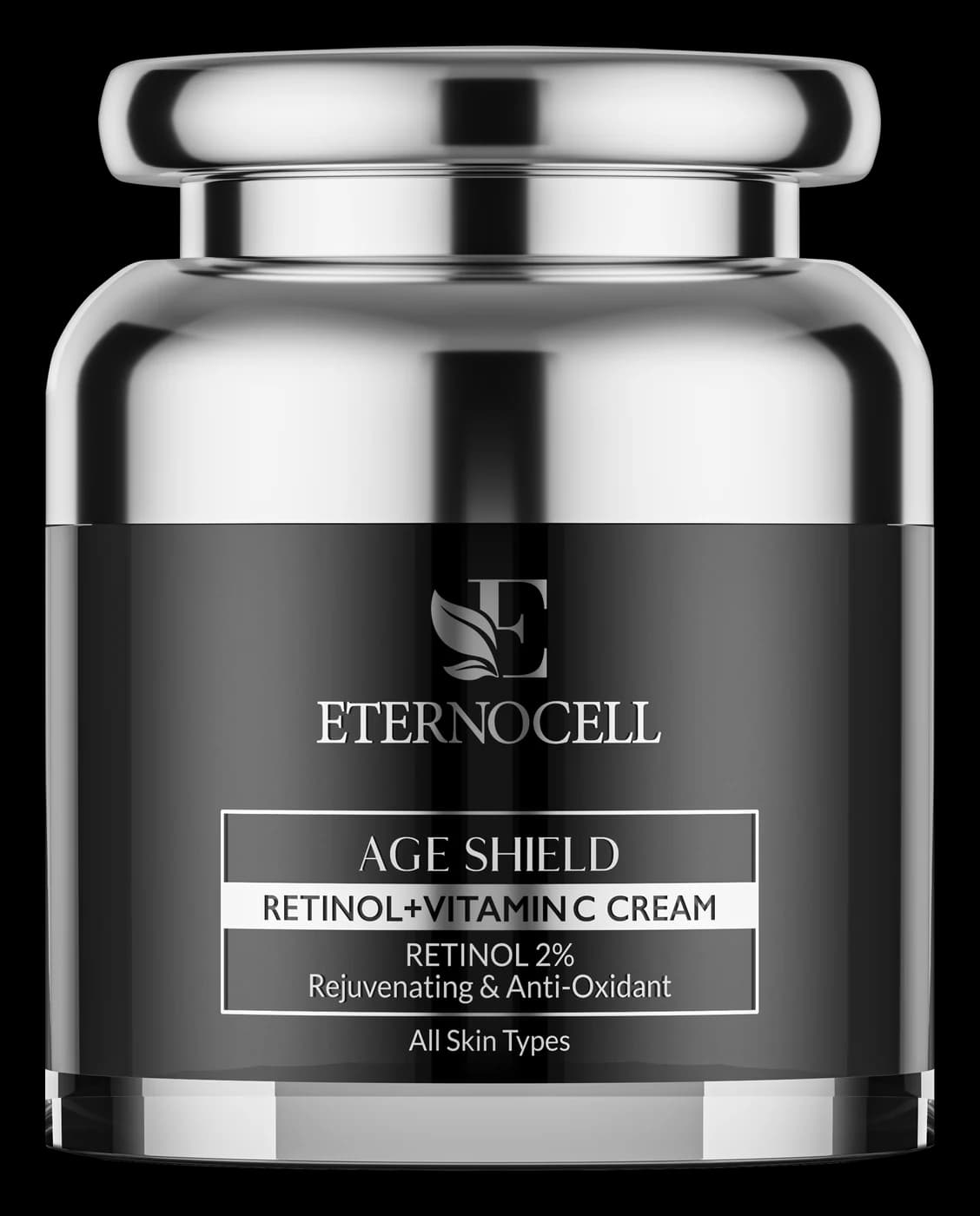
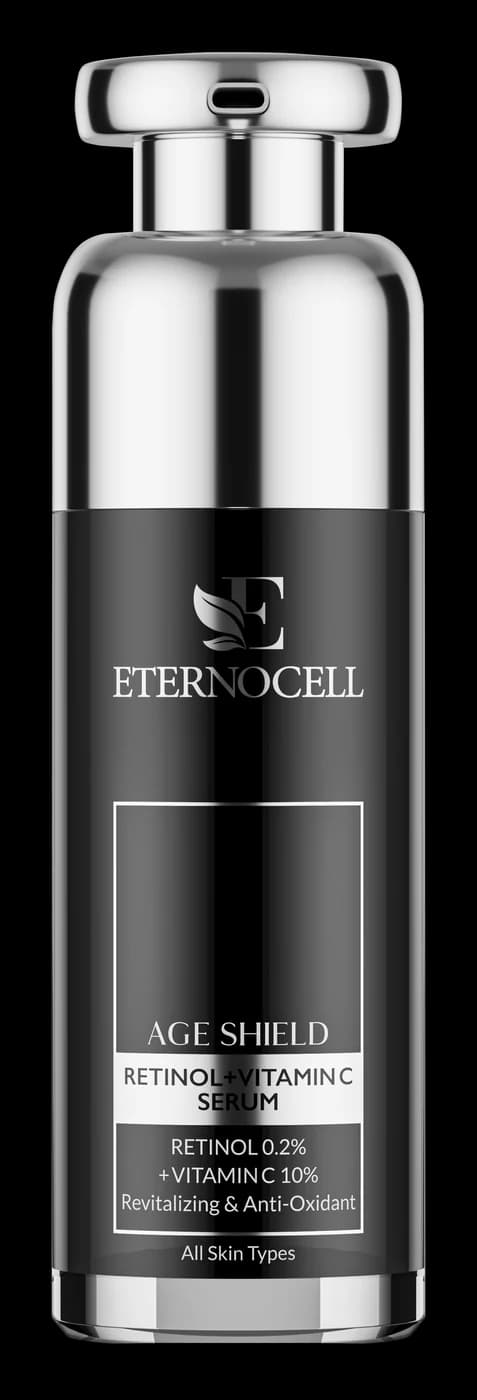
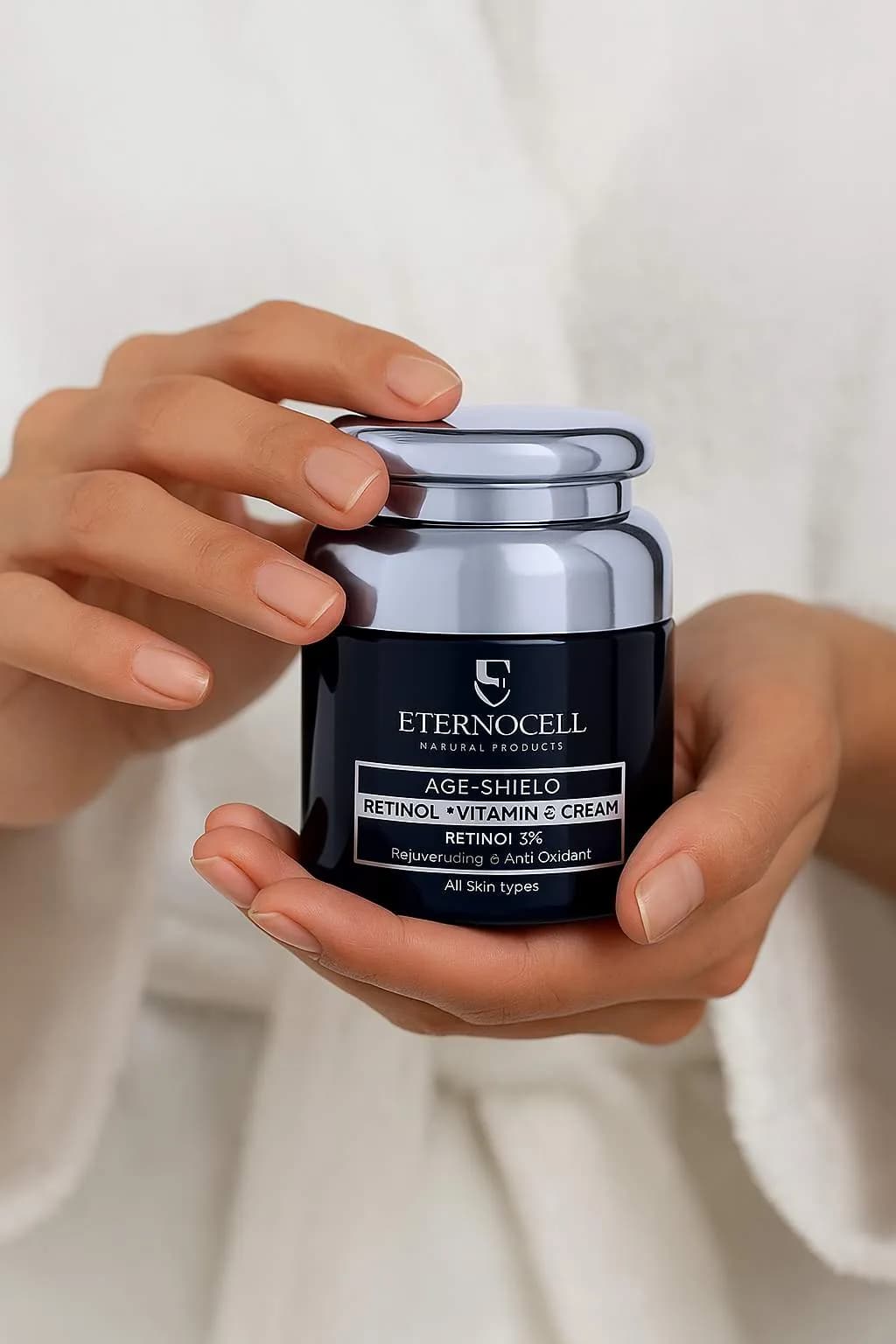
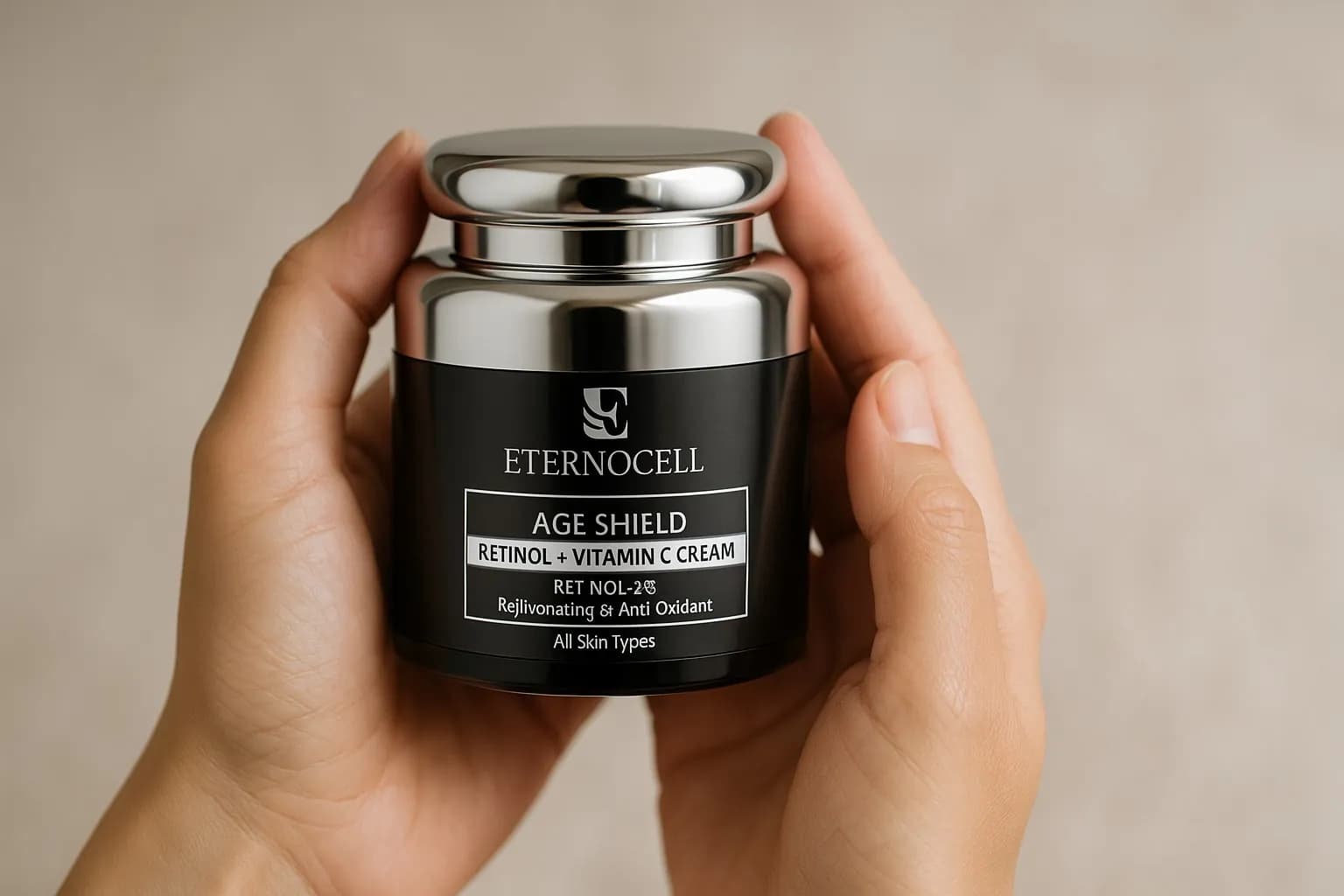
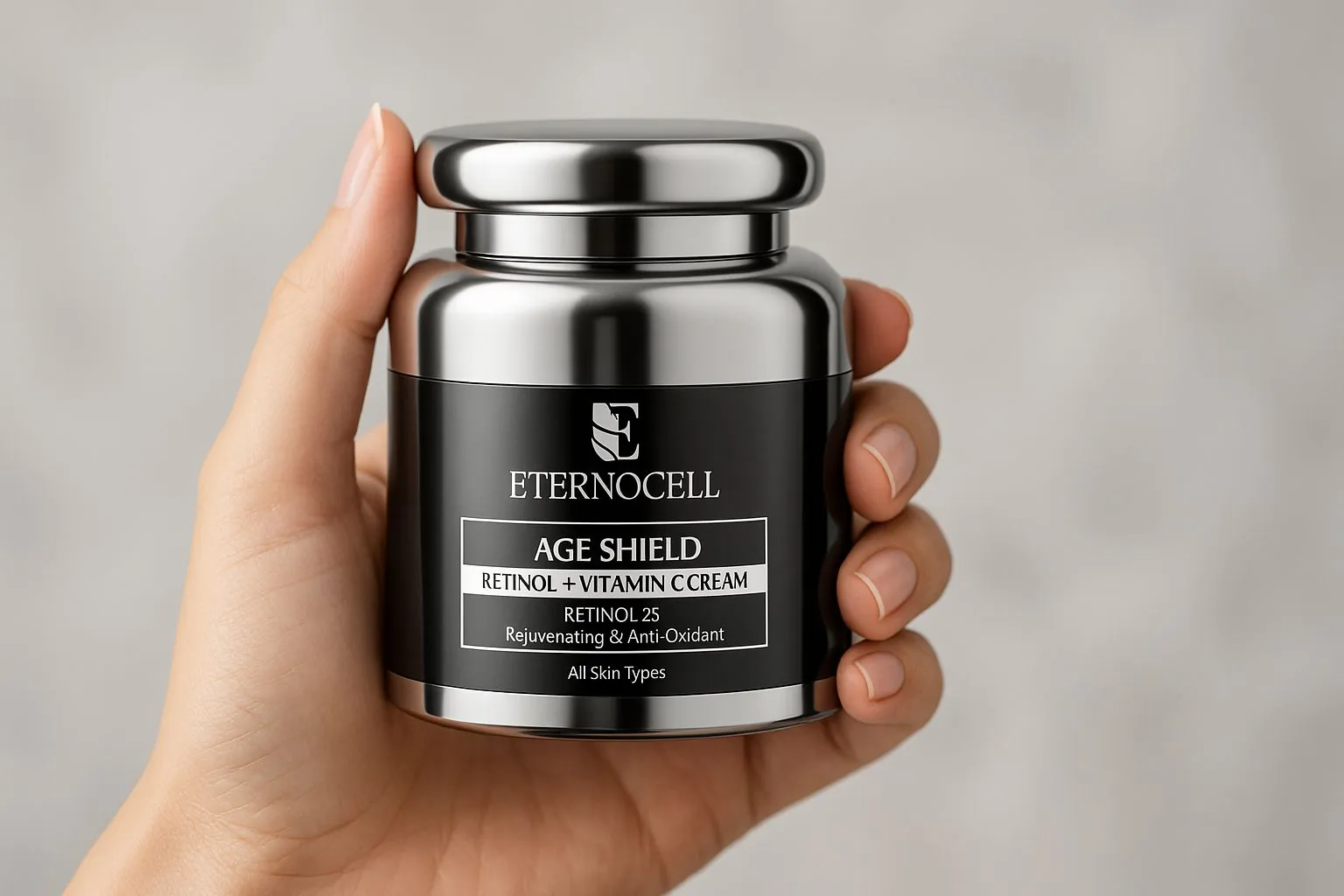
Eternocell's anti-wrinkle cream gel, sold under the name Age Shield, is one of the most advanced products for preventing and treating the signs of skin ageing. Built on a scientific combination of retinol and vitamin C, it penetrates deep into the skin and, by stimulating skin cells, activates collagen production. The result is a noticeable reduction in lines and wrinkles and the return of freshness and radiance to the skin.
The product's light, non-greasy, anti-inflammatory formulation makes it suitable for all skin types, including sensitive skin. Strong antioxidant action, deep hydration, improved skin suppleness and natural brightening are among this cream's key benefits. With regular use, visible results appear within 4 to 8 weeks.
Frequently asked questions about facial wrinkles
When they notice the first signs of skin ageing, many people share the same questions, and clear answers can make their skincare path much clearer. Below, we answer two common questions about facial wrinkles:
At what age should you start anti-wrinkle care?
Anti-wrinkle care is best started gradually in your twenties (around the age of 25 to 30). During this period, the body naturally begins to produce slightly less collagen and elastin, and preventing skin damage becomes more important. Using rich hydrators, sunscreen and creams containing antioxidants at this age can be a good way to start delaying the formation of wrinkles. At older ages, adding more specialised ingredients such as retinol and peptides is recommended.
Do anti-wrinkle creams really work?
When chosen well and used regularly, anti-wrinkle creams can be considerably effective in reducing the appearance of wrinkles and improving skin texture. Their effectiveness depends on their active ingredients and how well they suit your skin type. For example, retinol is an effective ingredient for stimulating collagen production and cell renewal, while hyaluronic acid helps with deep hydration. It is worth noting, however, that anti-wrinkle creams are most effective at preventing and reducing surface wrinkles; for deep wrinkles, clinical treatments such as laser or Botox may be a complementary option.
Summary: how can you keep your skin youthful?
Keeping facial skin youthful and fresh calls for a comprehensive, informed approach that pays attention both to care from within and to topical, everyday measures. As we have seen in this article, factors such as age, sun exposure, stress, an unhealthy diet and smoking can all play a part in forming wrinkles. By identifying these factors and guarding against them, you can largely prevent premature wrinkles.
Following principles such as eating antioxidants, drinking enough water, using anti-wrinkle creams regularly, protecting the skin from the sun and living a healthy lifestyle plays an effective role in maintaining the skin's elasticity and radiance. Starting skincare early, in your twenties, and keeping it up consistently is also a worthwhile investment in preserving your natural beauty and self-confidence. In the end, healthy, youthful skin is the result of knowledge, prevention and consistent care working together. At Eternocell, we are committed to bringing you this knowledge.